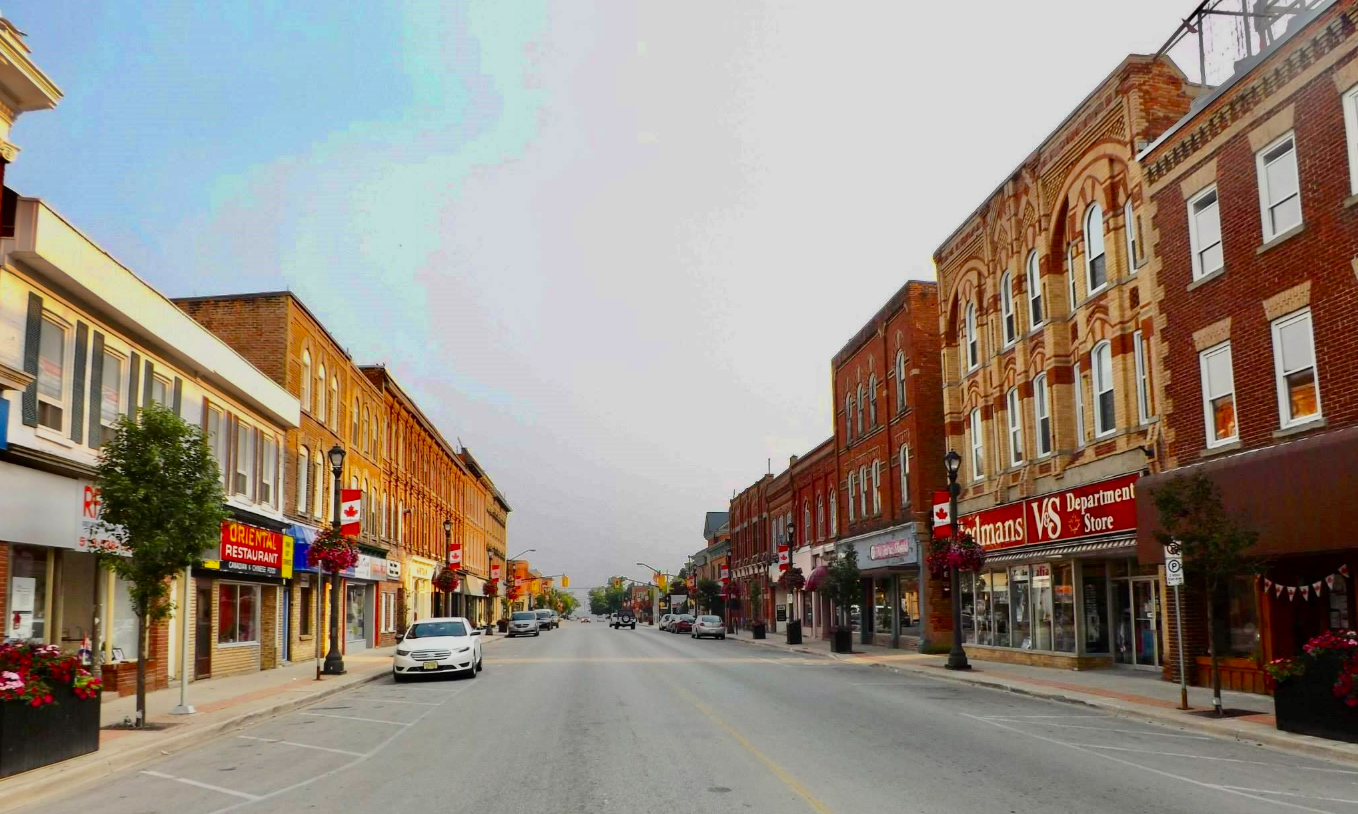

Hey there! If you’re like me and dream of experiencing European charm without the long, expensive flight overseas, I’ve discovered a hidden gem — Kingston, Ontario in Canada (Kingston)! Known as the “Limestone City,” this historic town is filled with stunning 19th-century limestone architecture that made me wonder: “Am I really in Canada?”
During my recent Eastern Canada road trip, I deliberately carved out two days to explore Kingston. Those European-style buildings, rich history, and breathtaking waterfront views absolutely deserve a spot on your itinerary! Even better, the city offers plenty of free attractions and budget-friendly experiences that won’t break the bank.
Join me as I explore this limestone city that once served as Canada’s capital! From free prison museums and military fortifications to charming European-style markets, I’ll share everything you need to know!
Table of Contents
🗺️ Where is Kingston? Essential Information at a Glance
Kingston is located in southeastern Ontario, Canada, strategically positioned at the junction of Lake Ontario and the St. Lawrence River. From a geographical perspective:
- Approximately 260 kilometers from Toronto (about 2.5 hours by car)
- Approximately 200 kilometers from Ottawa (about 2 hours by car)
- Approximately 290 kilometers from Montreal (about 3 hours by car)
This location makes Kingston an ideal stopover for exploring Eastern Canada and serves as a perfect starting point for visiting the Thousand Islands.
🏛️ Kingston’s Historical Background and Unique Charm
From Fur Trading Post to National Capital
Kingston boasts a fascinating historical narrative:
- Early Development (1600s): Originally established by French fur traders who conducted business with Indigenous peoples, spurring the region’s initial growth
- British Takeover (Late 1700s): Following the Anglo-French wars, Britain gained control of the region
- Official Naming (1787): King George III christened the area “Kingston” (King’s Town)
- Brief Capital Status (1841-1844): Kingston was selected as the capital of the Province of Canada in 1841, but due to its proximity to the United States, the capital was relocated to Montreal just three years later
- Fortification Construction (1846): Five major defensive fortifications, including the Murney Tower, were built to defend against potential American invasion
Why is it Called the “Limestone City”?
Walking through Kingston’s streets, you’ll discover the city is dotted with 19th-century gray limestone buildings. After experiencing frequent fires throughout its history, the city discovered that only limestone structures could withstand devastating blazes. This sparked a trend of using limestone as the primary building material. Over time, the vast majority of buildings in the city — including residences, churches, and city halls — were constructed using locally quarried limestone, creating a uniform gray-white aesthetic that earned Kingston its nickname as the “Limestone City.”
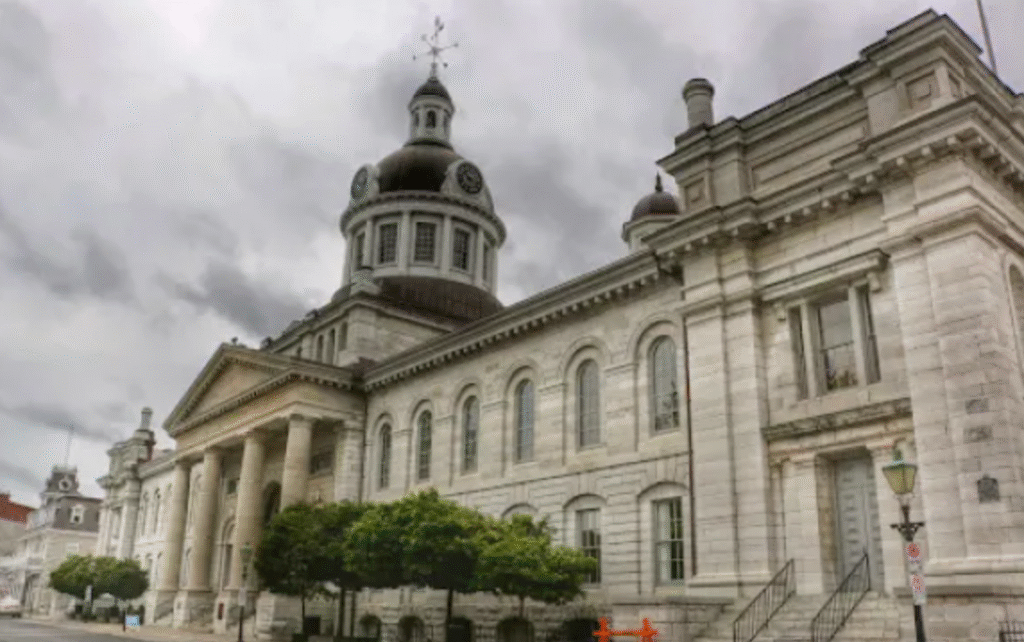
These remarkably preserved limestone buildings transport visitors to a European town, exuding a distinctly continental atmosphere that represents one of Kingston’s most enchanting features.
🌟 Must-Visit Kingston Attractions: Perfect Blend of History and Nature
St. Lawrence River Waterfront Pathway
Upon arriving in Kingston, my first destination was the waterfront pathway along the St. Lawrence River. Standing by the river in the early morning, watching sunlight dance across the calm water, I was amazed to see that the opposite shore was actually American territory! I was standing at a viewpoint near my hotel, witnessing firsthand the city’s unique geographical position.
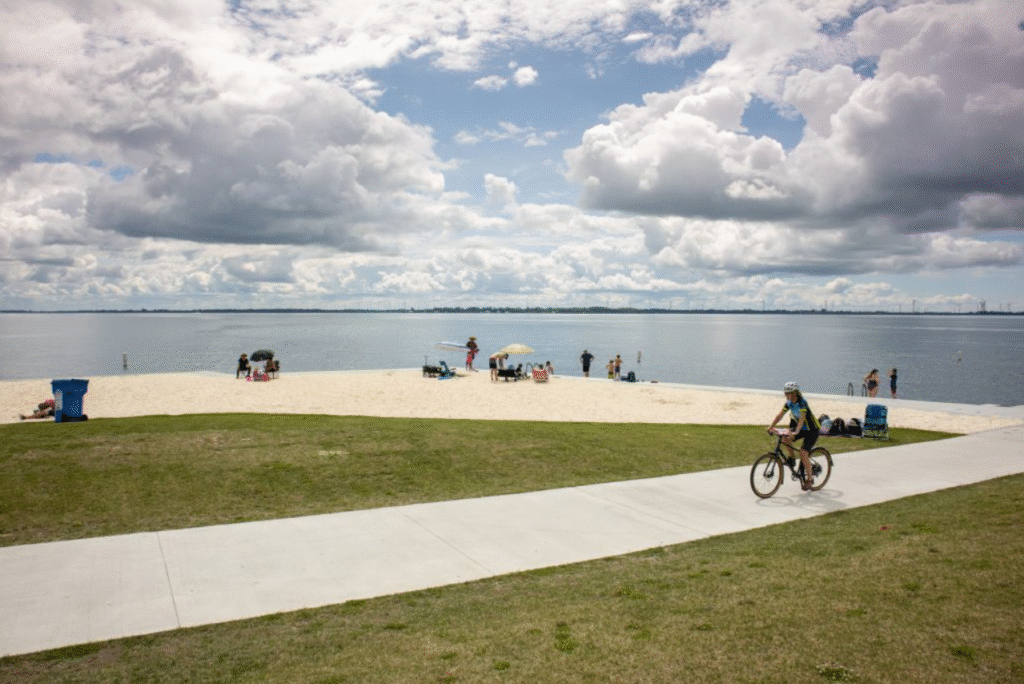
The waterfront pathway is perfect for morning jogs or leisurely strolls. Along the route, you’ll encounter many locals walking their pets and jogging, creating a wonderfully relaxed atmosphere.
Pro Tip: Arrive before 7 AM to avoid crowds and potentially catch the dreamy sight of morning mist hovering over the river!
Murney Tower
Just a 5-minute drive from the waterfront, you’ll reach the Murney Tower, built in 1846. This circular battery tower is one of Kingston’s five major defensive fortifications, specifically designed to defend against potential American invasion.
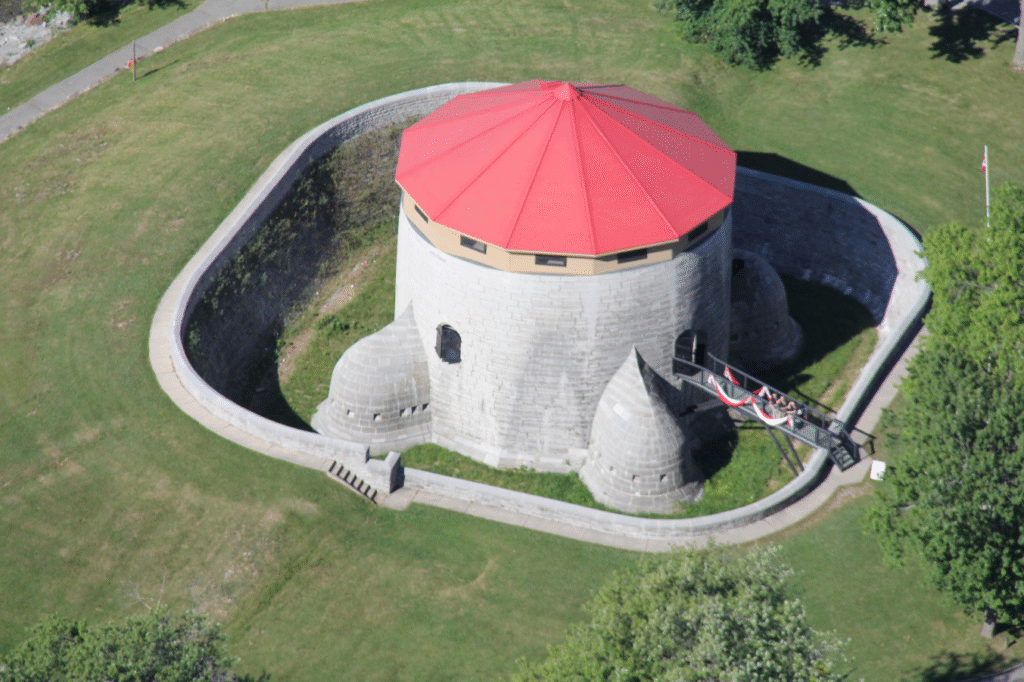
Inside the tower, I was impressed by its remarkably preserved 360-degree gun battery. Following the internal spiral staircase downward, you can explore the underground ammunition storage chambers used in bygone days. Standing before the cannons, which still point toward America, I could almost feel the tension of that era.
On-Site Discovery: The underground storage rooms are noticeably cooler, so even during summer visits, I’d recommend bringing a light jacket!
Kingston Penitentiary Museum
This was absolutely my most unique Kingston experience! The Kingston Penitentiary Museum sits adjacent to the actual prison and showcases inmate living conditions from 1835 to the present.
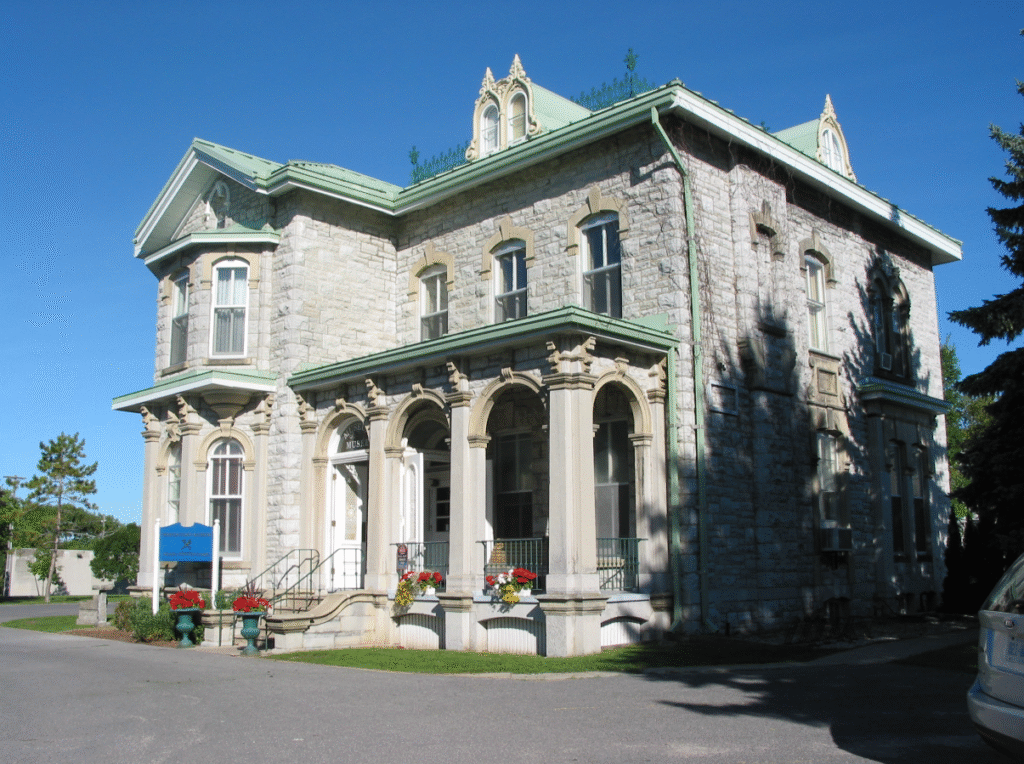
The museum displays various items used by prisoners, from early spartan cells (pitch-black cramped spaces from 1835-1906) to modern facilities (cells from 1998-2013 even featured televisions and radios). What surprised me most was that contemporary cell designs appeared more humane than some Hong Kong subdivided flats, complete with desks and adequate storage space!
The museum also showcases exquisite artwork and handicrafts created by inmates, proving that even behind high walls, creativity and humanity never completely disappear.
Visitor Tip: The reception staff at the museum entrance are incredibly friendly and can share fascinating stories about prison history that aren’t included in official tours.
City Hall and Surrounding Streets
Downtown Kingston was definitely a trip highlight! The City Hall, built in 1844, stands at the center, surrounded by beautifully preserved stone buildings and European-style streets.
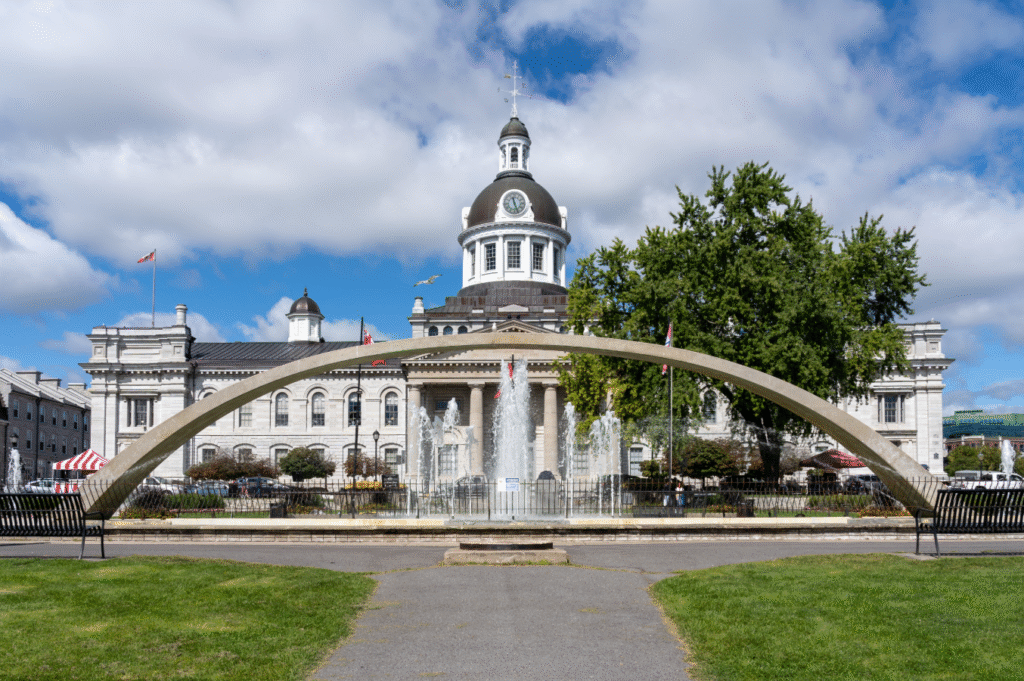
Strolling around City Hall, I genuinely felt transported to a European town — cobblestone streets, vintage street lamps, outdoor cafés, all radiating a leisurely atmosphere. What delighted me most was seeing century-old buildings given new life. For instance, we dined at an A&W fast-food restaurant housed in a historic building, where historical photos adorned the walls, perfectly blending heritage conservation with modern functionality.
Near City Hall, you’ll also find a beautifully preserved Canadian Pacific historic train locomotive, commemorating Kingston’s importance as a railway hub.
Recommendation: The ground floor of City Hall features a free historical exhibition about Kingston’s brief stint as Canada’s capital — definitely worth checking out!
Fort Henry
Fort Henry sits majestically on high ground at the confluence of the St. Lawrence River and Rideau Canal, forming part of a UNESCO World Heritage Site. Originally built during the War of 1812 and substantially rebuilt and reinforced in the 1840s, this fortress served as a crucial British defense line against potential American invasion.
Entering the fortress, guards dressed in red British military uniforms march in formation, as if time has rewound to the cannon-roaring Victorian era. Gray-white limestone walls and rows of dark cannons exude the majesty of a bygone frontier stronghold.
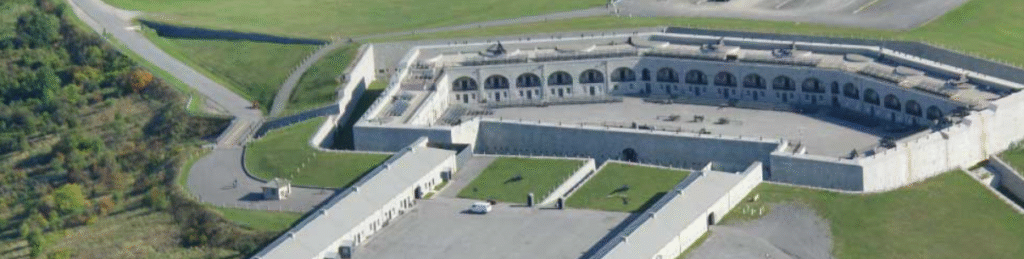
The fort features daily guard-changing ceremonies, with summer offerings including cannon-firing demonstrations and concerts. From Fort Henry’s elevated position, you can overlook the entire Kingston cityscape and Lake Ontario’s magnificent views, especially spectacular during autumn when maple leaves turn crimson.
Experience Recommendation: The summer evening Sunset Ceremony combines military music, cannon salutes, and traditional guard performances — one of Kingston’s most unmissable signature experiences!
Rideau Canal Starting Point
The Rideau Canal is an artificial waterway connecting Kingston to Ottawa, constructed beginning in 1826 and now designated as a UNESCO World Heritage Site.
The British built this canal primarily to avoid the St. Lawrence River waterway bordering the United States, ensuring safe military supply transport. Today, the canal has transformed into a popular tourist attraction and recreational destination.
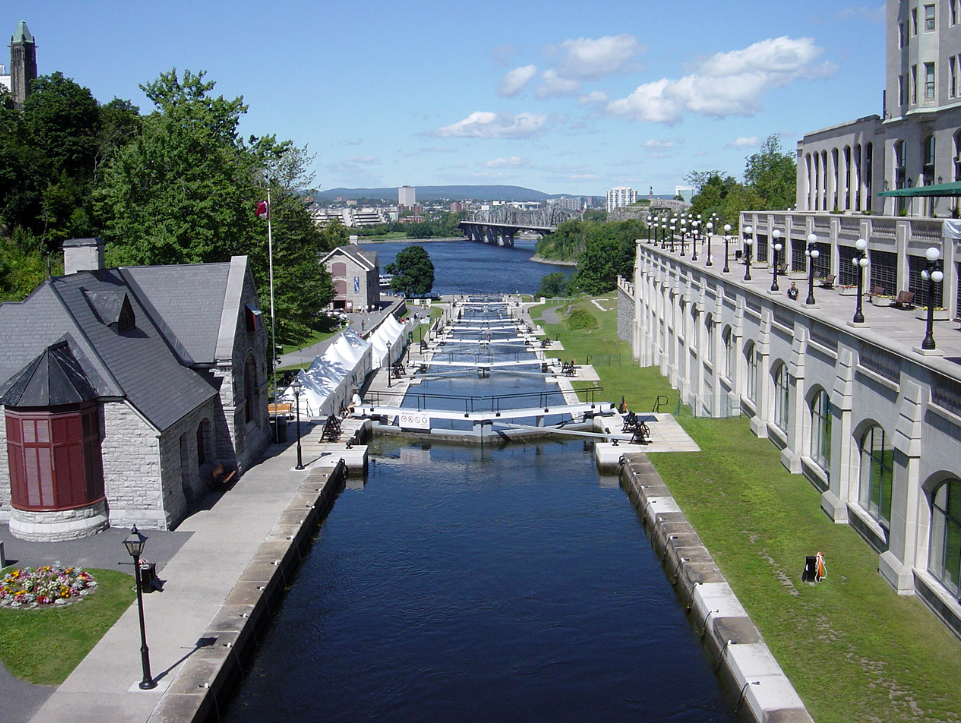
Touring Tip: A 15-minute walk from downtown brings you to the canal’s starting point, with scenic pathways along the route providing excellent sunset photography opportunities.
Thousand Islands Cruise
Kingston serves as one of the best starting points for exploring the Thousand Islands. Board a cruise ship to sail along the St. Lawrence River, weaving through more than 1,800 islands of various sizes while admiring natural scenery and luxurious estates along both shores.
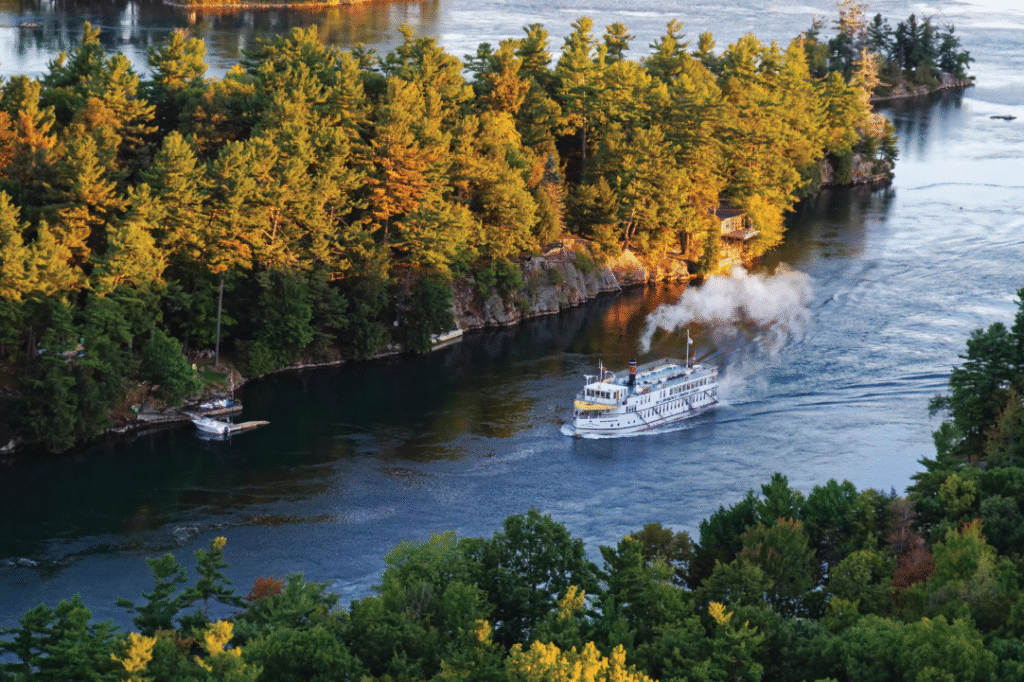
Cruises offer different itineraries: short 1-hour tours around Kingston harbor, extended 3-hour journeys deep into the islands, with some even reaching Boldt Castle in American territory. Summer evening sunset cruises are particularly recommended, with golden sunlight illuminating islands and water in a poetic, picturesque display.
Important Note: If your itinerary includes docking at American islands (such as visiting Boldt Castle), you’ll need to bring your passport. For those with limited time, consider the free Wolfe Island ferry for a 20-minute lake excursion.
Queen’s University
Founded in 1841, Queen’s University ranks among Canada’s most historic and prestigious institutions. The campus features numerous Victorian-era buildings, making strolls feel like time travel to a 19th-century academic sanctuary.
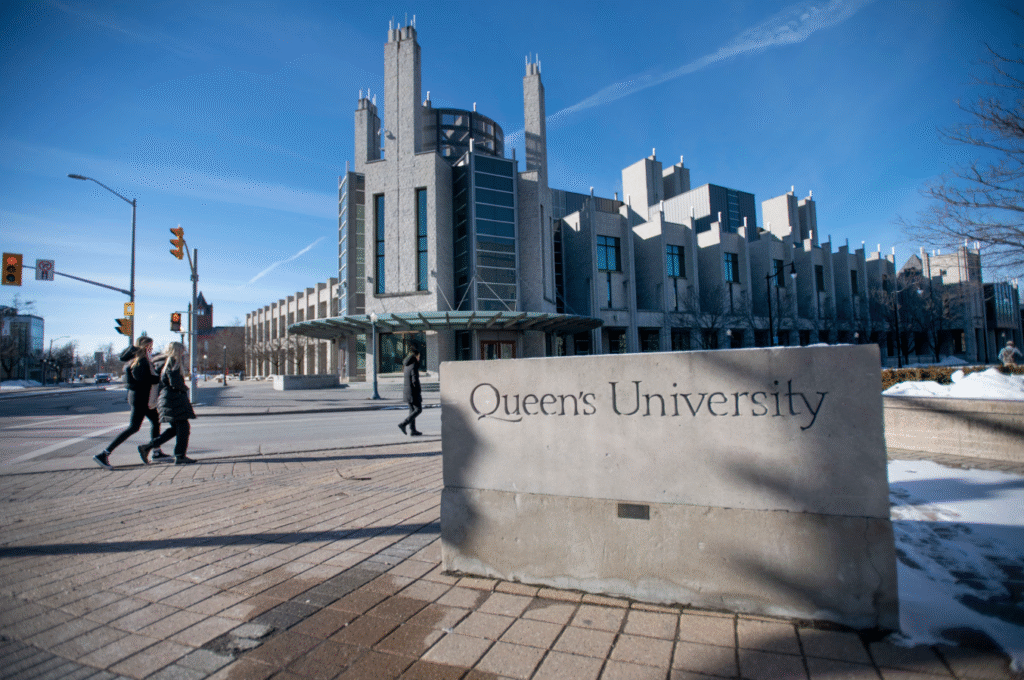
Campus highlights include Grant Hall with its towering clock tower, Gothic-style Douglas Library, and Summerhill (formerly the principal’s residence). If time permits, don’t miss the Agnes Etherington Art Centre on campus, housing world-class art collections including works by Rembrandt.
Visitor Suggestion: Wander the campus at dusk when sunlight bathes ivy-covered college buildings, accompanied by bell chimes and flocks of white doves, creating a serene, romantic atmosphere perfect for photography.
🚗 How to Get to Kingston? Complete Transportation Guide
Driving
Driving is the most convenient way to explore Kingston:
- From Toronto: Highway 401 for approximately 2.5 hours
- From Ottawa: Highway 416 connecting to Highway 401, approximately 2 hours
- From Montreal: Highway 401 for approximately 3 hours
Kingston’s downtown streets are well-organized and easy to navigate. However, parking in the old town area is somewhat limited, so I recommend parking at public lots near City Hall or at your accommodation, then exploring downtown on foot.
Public Transportation
If you prefer not to drive, consider these alternatives:
- Rail: VIA Rail Canada operates multiple trains through Kingston, taking approximately 2-3 hours from Toronto or Montreal
- Long-distance Bus: Megabus and others provide Toronto/Ottawa-Kingston services, typically cheaper than rail
- Local Transportation: Kingston’s downtown area is compact with most attractions within walking distance, plus a bus system and tourist trolley buses connecting more distant sites
Money-Saving Tip: Summer tourist season features Hop-On Hop-Off sightseeing buses circling major attractions; purchasing a day pass allows unlimited boarding for convenient access to places like Fort Henry.
🏨 Kingston Accommodation Recommendations
Waterfront Hotels
Choosing St. Lawrence River-facing hotels offers beautiful river views and glimpses of American shores. Our accommodations were in this area, where opening morning curtains revealed calm waters and passing vessels — absolutely delightful scenery.
Recommendations: Delta Kingston Waterfront Hotel, Holiday Inn Kingston Waterfront
Downtown Historic Building Conversions
These boutique hotels typically preserve original architectural heritage while providing modern amenities and comfort. Downtown locations mean walking distance to major attractions, with easy evening access to nearby restaurants and nightlife.
Recommendations: Rosemount Inn, Secret Garden Inn
Budget Accommodation Options
For budget-conscious travelers, consider:
- Suburban chain motels (like Comfort Inn) offering affordable rates and free parking
- Summer availability of Queen’s University student dormitories for short-term tourist rentals, combining economy with unique experience
- Airbnb or guesthouse options, especially cost-effective for group travel
Booking Tip: Avoid graduation season (May) and long holiday weekends; booking 2-3 months in advance through comparison websites typically yields better rates.
🍽️ Kingston Dining Recommendations
Kingston’s dining scene is diverse, ranging from upscale restaurants to budget-friendly fast food:
Featured Restaurant Recommendations
- Chez Piggy: French-inspired creative cuisine hidden in a downtown alley, with unique atmosphere (converted rock-star barn); signature dishes like grape-sauce duck breast and seafood medley are must-tries
- Harper’s Burger Bar: Featuring various handcrafted burgers with generous portions and quality ingredients, a favorite among students and locals
- Kingston Brewing Company: Claimed as Ontario’s oldest craft brewery, pair their beers with pork ribs or fish and chips for authentic Canadian pub culture
- Woodenheads Gourmet Pizza: Wood-fired oven handcrafted pizzas with exceptional local reputation
Budget Dining Options
After consecutive upscale restaurant meals, we deliberately chose an A&W fast-food restaurant housed in a historic building for lunch. For just over CAD $20, two people ate well, and the interior featured numerous historical photos — an economical yet interesting dining experience.
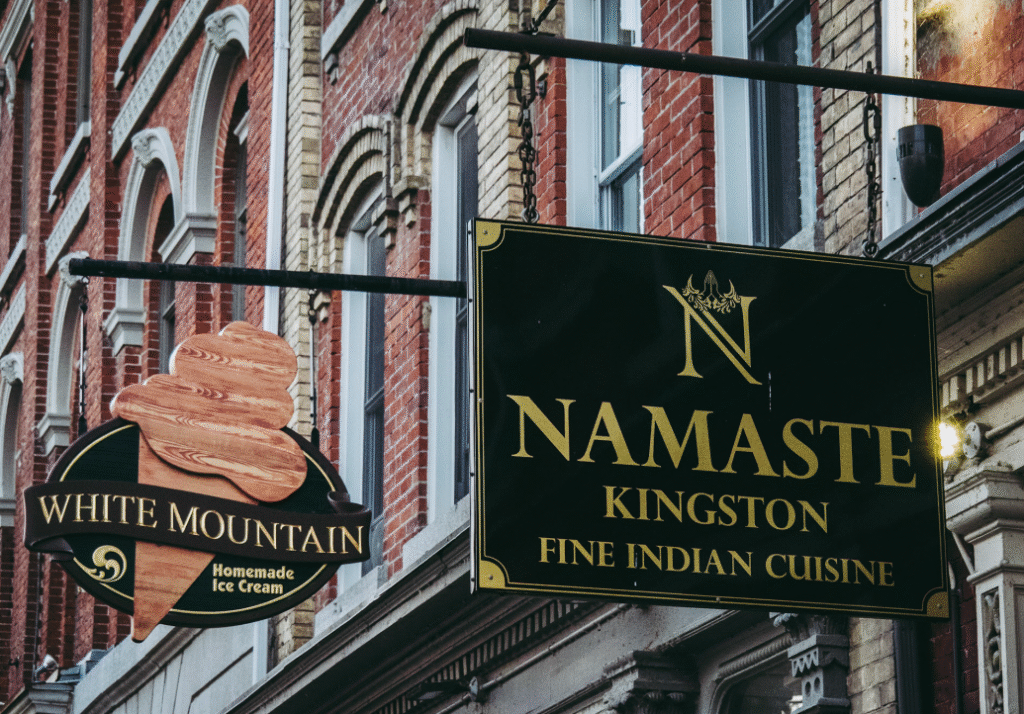
Near City Hall square, the farmers’ market (operating Tuesdays, Thursdays, Saturdays) features numerous food stalls offering everything from breakfast sandwiches to handcrafted ice cream — affordable prices with excellent quality.
Dessert Recommendation: Don’t miss White Mountain ice cream shop’s handcrafted treats; summer lines are common, but every flavor is memorable.
📆 Kingston Itinerary Suggestions
One-Day Itinerary
For limited time, this compact one-day itinerary covers Kingston’s highlights:
Morning:
- Morning walk along Kingston Waterfront Pathway, enjoying St. Lawrence River views
- Visit City Hall and downtown historic district, experiencing European atmosphere
- Browse Springer Market Square for unique souvenirs
Noon:
- Enjoy lunch at downtown restaurants or market (like A&W historic building or Harper’s burgers)
Afternoon:
- Explore Kingston Penitentiary Museum for prison culture history
- Visit Murney Tower to experience military defense history
- Time permitting, take a short Thousand Islands cruise
Evening:
- Watch sunset at lakeside park
- Dinner at downtown European-style restaurant
- Stroll illuminated ancient city streets, experiencing Kingston’s different charm
Two-Day/One-Night Itinerary
Two days allow more leisurely Kingston exploration:
Day One:
- Morning: Waterfront walk, City Hall visit
- Noon: Downtown lunch
- Afternoon: Penitentiary Museum, Queen’s University campus stroll
- Evening: Downtown restaurant dinner, nighttime historic city walk
Day Two:
- Morning: Fort Henry visit (watch guard changes and cannon demonstrations)
- Noon: Lunch near fort
- Afternoon: Thousand Islands cruise or Wolfe Island ferry trip
- Evening: Return journey or continue to next destination
Itinerary Tip: Planning visits on Tuesdays, Thursdays, or Saturdays lets you catch City Hall square’s farmers’ market for more local flavor.
💰 Kingston Travel Budget Considerations
Accommodation Costs
- Luxury Options: Waterfront premium hotels approximately CAD $200-300 per night
- Mid-Range Options: Downtown quality hotels approximately CAD $150-200 per night
- Budget Options: Suburban chain hotels or guesthouses approximately CAD $80-120 per night
Money-Saving Strategy: Visit during off-season (November-April, excluding holidays) when many hotels offer 20-30% discounts. Booking 2-3 months in advance typically secures better rates.
Dining Costs
- Upscale Restaurants: Approximately CAD $50-80 per person
- Mid-Range Restaurants: Approximately CAD $25-40 per person
- Fast Food/Snacks: Approximately CAD $10-20 per person
Money-Saving Strategy: As I did during my trip, choose fast-food options like A&W for lunch, reserving more formal restaurants for dinner to significantly reduce dining expenses. Many hotels also offer breakfast-inclusive packages worth considering.
Attraction Admission Fees
Many Kingston attractions are free or low-cost:
- City Hall: Free
- Waterfront Pathway: Free
- Murney Tower: Adults approximately CAD $7-10
- Penitentiary Museum: Adults approximately CAD $10-15
- Fort Henry: Adults approximately CAD $20
- Thousand Islands Cruise: Varies from CAD $30-80 depending on route
Money-Saving Strategy: Many museums offer discounts or free admission on Tuesdays or during specific hours; check official websites in advance for this information.
Transportation Costs
- Car Rental: Approximately CAD $40-60 per day (excluding fuel and insurance)
- Local Transit: Approximately CAD $3.50 per trip
- Train Tickets from Toronto or Ottawa: Approximately CAD $50-80 (one-way)
Money-Saving Strategy: If driving, consider ride-sharing services to reduce fuel and rental costs. Downtown, many attractions are within walking distance, saving transportation expenses.
🍁 Best Time to Visit and Seasonal Recommendations
Spring (April-May)
Spring in Kingston brings renewal, with city parks and university campus flowers blooming. Weather gradually warms while crowds remain light, making it perfect for enjoying pleasant climate while avoiding tourist rushes.
Summer (June-August)
Summer represents Kingston’s peak tourist season with comfortable temperatures (averaging 20-27°C) and all attractions and activities fully operational. Thousand Islands cruises, outdoor concerts, City Hall performances, and other events abound. However, advance accommodation booking is essential, and prices are higher.
Fall (September-October)
My personal favorite season! Fall Kingston becomes painted in golden-red maple leaves, particularly stunning when overlooking the city from Fort Henry or strolling riverside pathways. Comfortable temperatures, moderate crowds, ideal for photography and leisurely exploration.
Winter (November-March)
While Kingston winters are cold and snowy, City Hall square transforms into an outdoor skating rink, with festive lights illuminating the city. Some outdoor attractions and cruises close, but indoor attractions remain open, offering opportunities to experience authentic Canadian winter charm.
Seasonal Recommendation: I believe early September-October fall is the optimal time for visiting Kingston, with pleasant weather, gradually turning maple leaves, fewer summer crowds, and all attractions still operating normally.
❓ Frequently Asked Questions (FAQ)
How far is Kingston from Toronto and Montreal?
Kingston is approximately 260 kilometers from Toronto (about 2.5 hours drive); approximately 290 kilometers from Montreal (about 3 hours drive); approximately 200 kilometers from Ottawa (about 2 hours drive).
Why is Kingston called the “Limestone City”?
Because many of Kingston’s historic buildings are constructed from locally distinctive limestone, these stone structures are remarkably preserved, adding unique historical character to the city.
Was Kingston ever Canada’s capital?
Yes, Kingston briefly served as the Province of Canada’s capital from 1841 to 1844, but due to its proximity to the United States being deemed insufficiently secure, the capital was subsequently moved to Montreal.
What signature dishes are worth trying in Kingston?
As a waterfront city, seafood is a must-try. Additionally, given Kingston’s multicultural background, you’ll find rich options ranging from traditional Canadian cuisine to international fare.
For Kingston accommodation, should I choose the waterfront area or downtown?
This depends on your preferences. Waterfront hotels offer beautiful river views but typically command higher prices; downtown hotels sit near restaurants and shops with greater convenience. The two areas are relatively close, just a 10-15 minute walk apart.
How far in advance should I book Kingston hotels?
During peak tourist season (May-October), booking at least 2-3 months in advance is recommended; off-season allows booking 1 month or less in advance.
Can one day be enough to tour Kingston’s main attractions?
Yes, but it will be rushed. With only one day, prioritize the waterfront area, Murney Tower, Penitentiary Museum, and downtown district. If possible, staying 1-2 nights is recommended for more leisurely city exploration.
Is Kingston suitable for traveling with children?
Absolutely. The Penitentiary Museum and Murney Tower feature child-friendly exhibits, while waterfront open spaces provide play areas for kids. Summer also offers numerous outdoor activities and boat tours.
What seasonal activities in Kingston are worth attending?
Summer brings various music festivals and waterfront activities; fall features harvest festivals and leaf-viewing events; winter offers light festivals and ice sculpture exhibitions. Spring’s tulip festival is also very popular.
Is getting from Kingston to the Thousand Islands convenient?
Very convenient. The Thousand Islands are just a 30-minute drive from Kingston, making it a popular day-trip choice. During summer, boat tour services also depart from Kingston.
🎯 Conclusion: Discovering Kingston’s Unique Charm
Walking Kingston’s cobblestone streets, gazing up at ancient clock towers and fluttering flags, watching sunsets over Lake Ontario, I felt as though I stood at the intersection of North America and Europe. This small Canadian city, blending historical depth with European charm, quietly captured my heart with its unique heritage and elegant lifestyle.
If you’re planning a distinctive Canadian journey, I hope this Kingston travel guide proves helpful. Whether you prefer niche destinations with depth or wish to experience European ambiance without flying across the Atlantic, Kingston will reward you with delightful surprises.
Don’t forget to share with friends, letting more people discover this “European corner of Canada”! Wishing you a pleasant and memorable Kingston adventure!