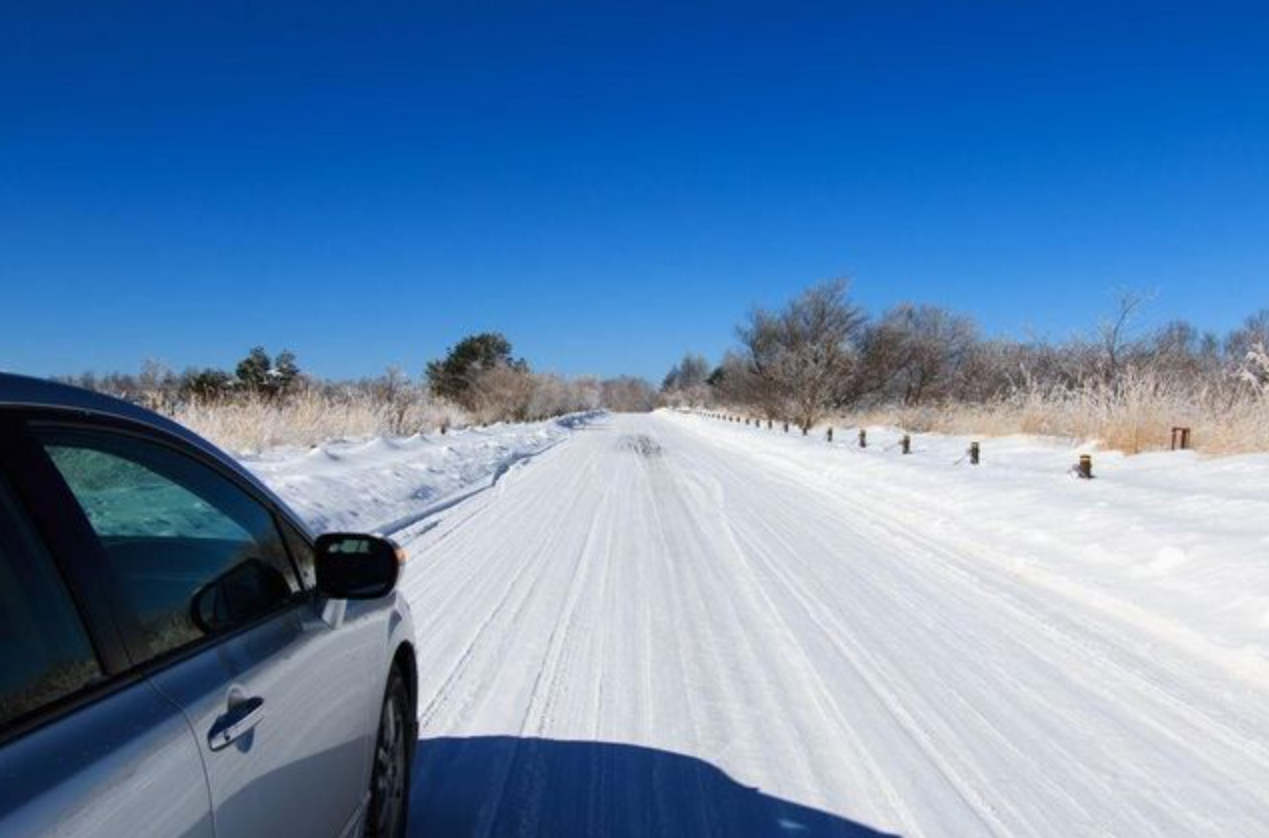

Winter transforms Japan into a snow-covered wonderland, attracting countless travelers eager to explore its snowy landscapes by car. However, for those without winter driving experience, navigating Japan’s snow-covered roads presents significant challenges. According to statistics, foreign tourists driving in Japan’s snowy conditions have an accident rate more than 4 times higher than local Japanese drivers! In Hokkaido alone, up to 70% of winter traffic accidents involve foreign self-driving tourists.
This comprehensive guide combines hands-on testing experience from Tokamachi City in Niigata Prefecture—known as “the land of heavy snow”—to provide you with the ultimate winter driving survival guide. From car rental preparation and equipment selection to driving techniques on icy roads and emergency situation handling, we’ll ensure your winter road trip in Japan is both safe and enjoyable!
Table of Contents
🧰 Essential Preparations Before Winter Driving
Choosing the Right Vehicle and Drive Type 🚙
Vehicle selection is your first critical decision. When renting a car for winter driving in Japan, prioritize four-wheel drive (4WD/AWD) vehicles. Four-wheel drive vehicles offer superior traction on snowy or icy roads, significantly reducing the risk of slipping. Particularly when starting on steep slopes or driving through slush, 4WD vehicles are far less prone to wheel spin compared to front-wheel drive (FWD) or rear-wheel drive (RWD) alternatives.
Generally speaking, compact SUVs or crossover vehicles (such as the Subaru Crosstrek) make excellent choices, with their higher ground clearance preventing the undercarriage from scraping in deep snow. In contrast, conventional two-wheel drive sedans can easily get stuck when wheels spin helplessly in thick snow accumulation.
It’s important to note that not all vehicles marketed as “four-wheel drive” perform equally:
- Some Japanese vehicles feature “on-demand AWD” systems, which primarily rely on front-wheel drive during normal conditions, only engaging rear wheels when front wheel slippage is detected.
- Field testing reveals that during low-speed driving in snowy conditions, these on-demand AWD systems respond relatively slowly, with rear wheels only engaging after the front wheels have been slipping for some time.
Therefore, never assume that renting a 4WD vehicle guarantees complete safety. Even with four-wheel drive, icy corners can still result in slight lateral sliding (the dreaded “fishtailing”)! This clearly demonstrates that 4WD isn’t a miracle solution—drivers must still exercise extreme caution. For optimal safety, full-time AWD vehicles are more reliable; if you can only secure an on-demand AWD vehicle, drive even more carefully and avoid over-relying on the 4WD capabilities.
Essential Equipment: Winter Tires and Snow Chains ⛓️
Tires are the literal line between life and death for snow traction. The vast majority of Japanese drivers switch to winter-specific tires (snow tires) during the cold months, and you absolutely must ensure your rental vehicle is equipped with them. Snow tires differ from regular tires in both rubber compound and tread pattern design, remaining flexible in low temperatures while featuring deep, multi-sipe treads that channel away snow and water to enhance grip.
Japanese law mandates the use of snow tires or snow chains when driving on snow-covered or icy roads, with violators potentially prohibited from road access. In “free snow tire regions” like Hokkaido, Tohoku, and Japan Sea coastal areas, rental companies automatically equip vehicles with snow tires for winter travelers (typically from early December through March or April, adjusted according to actual snowfall in each prefecture). However, if you’re picking up your rental in a non-snowy region but plan to drive to snow areas, you must specifically request snow tires when booking!
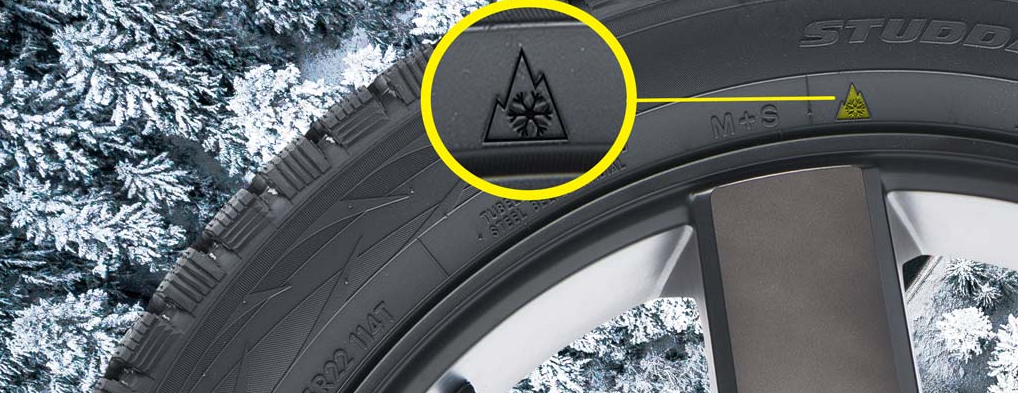
After receiving your vehicle, personally inspect the tires to verify they’re genuine snow tires rather than all-season tires. Some all-terrain tires (marked M+S) have tread patterns that resemble snow tires, potentially confusing unfamiliar drivers. The simplest verification method is checking the tire sidewall for the Mountain Snowflake symbol ❄️—this is the international winter tire certification mark. If you see this symbol, the tire’s material and tread design are certified for ice and snow use. If you don’t see the snowflake mountain peak symbol, immediately notify the rental company.
What about snow chains? Do you need to prepare or install them? For average travelers, snow chains are rarely needed when driving in Japan. With quality snow tires installed, you typically won’t need additional snow chains. Unless you’re planning to venture into extremely remote areas with uncleared snow accumulation or encounter unusually severe blizzards, chains are almost unnecessary.
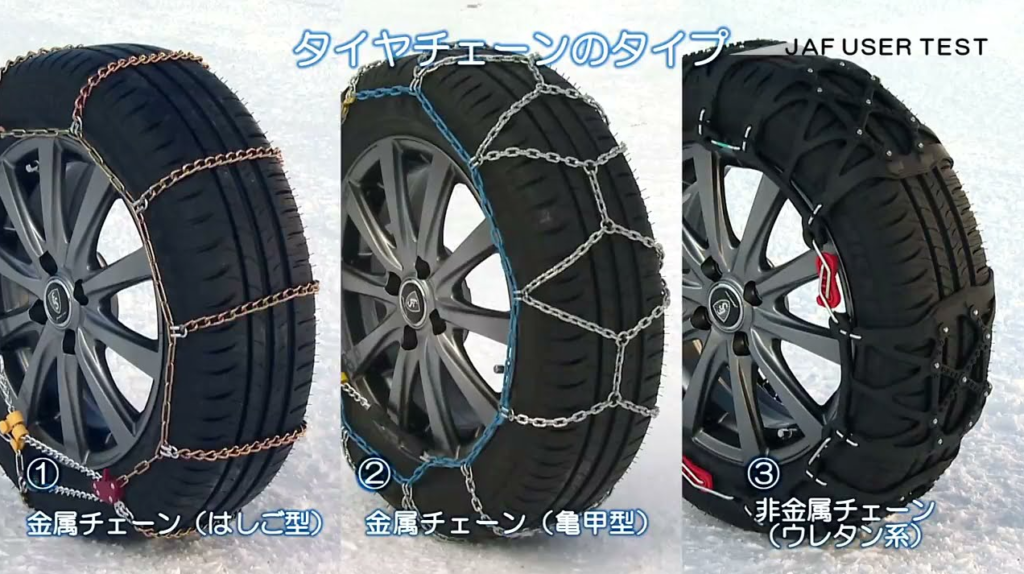
Many Japanese rental companies offer snow chain rental services at reasonable rates if you’re genuinely concerned. However, our recommendation is: “if a road requires chains, don’t drive it.” When weather or road conditions deteriorate to the point where chains become necessary, it’s already unsuitable for average travelers to risk the journey. The wisest course of action is adjusting your itinerary or waiting for conditions to improve rather than forcing through dangerous sections. In summary, snow tires are essential, while chains should be prepared but not used—a reasonable strategy.
Rental Procedures and Insurance Recommendations 📝
When renting vehicles during winter, beyond the car and equipment, several procedural and insurance aspects require attention:
- Book in Advance: Winter travel to Japan peaks during certain periods (especially around Lunar New Year), creating high demand for rental vehicles while 4WD vehicles with snow tires remain limited. Always book vehicles online well in advance and select the “winter tires” option. If the platform lacks a clear option, specify your requirements in order notes or via email to customer service to avoid last-minute unavailability of suitable vehicles.
- Obtain International Driving Permit/Authorization: Foreign tourists driving in Japan require a valid International Driving Permit or a Japanese-recognized driver’s license translation document (depending on nationality). Arrange this before departure, as rental companies will verify both your international permit and original national license at pickup. While unrelated to seasons, this step is crucial for smooth travel.
- Choose Comprehensive Insurance: Winter driving carries higher risks, making comprehensive insurance from the rental company strongly recommended (including vehicle damage insurance, third-party liability, waiver of excess charges, etc.). Despite additional costs, comprehensive coverage minimizes financial losses in case of accidents. However, understand that even with maximum coverage, certain situations may still involve deductibles (such as tire/wheel damage or prolonged downtime costs that may require self-payment). Insurance doesn’t permit complacency—necessary precautions remain essential.
- Understand Emergency Support Services: Confirm with the rental company whether 24-hour support is available for breakdowns or accidents, if free towing is included, and which contacts to use when stranded in snow. Record these critical details in your phone or notebook for backup. Being prepared provides peace of mind in foreign territory.
Final reminder: Japanese drivers strictly observe traffic regulations and generally show goodwill and patience toward foreign visitors. If you drive slowly in snowy conditions, local drivers typically understand and maintain safe distances without honking impatiently. However, as tourists, we should minimize disruption to others and avoid “abusing Japanese tolerance.” For example, if your unfamiliarity with conditions causes particularly slow driving with a long line of vehicles behind you, find a safe area to temporarily pull over and let traffic pass rather than stubbornly occupying the road. Similarly, if weather becomes truly severe, consider switching to public transportation or postponing your trip—safety trumps itinerary. Proper preparation and rule compliance provide the best protection for your winter driving adventure.
🚦 Snow Driving Techniques and Precautions
After completing thorough pre-trip preparations, you’ll need to master proper driving techniques once on the road. Ice and snow conditions change rapidly, and following these principles can dramatically reduce accident risks:
The “Slow” Philosophy: Speed Reduction and Distance Maintenance 🐢
The most crucial principle for snow driving is captured in one word: “slow.” Your driving speed must be significantly slower than normal—never rush. Snow and ice drastically reduce tire adhesion, making braking distances far longer than on dry pavement. We recommend reducing your typical speed by at least 10-20 km/h, while ensuring all acceleration and deceleration remains smooth—avoid aggressive throttle bursts or hard braking.
Exercise particular caution when approaching intersections, crosswalks, or curves by decelerating well in advance. During heavy snowfall with poor visibility, speeds of 30-40 km/h or even lower aren’t excessive. Remember: in snow driving, it’s better to be slow and safe than fast and sorry. As professional racing drivers say, “going fast is easy; going slow is difficult”—this rings even truer on snow. The ability to drive patiently at reduced speeds demonstrates the mature mindset necessary for safe operation. Conversely, momentary impatience can lead to disaster.
Beyond reduced speed, increase following distances. Maintain at least double your normal safe distance. For example, if 50 meters feels adequate on dry roads, aim for 100+ meters in snow. If the vehicle ahead slips or suddenly brakes, you’ll need that extra distance to react and stop safely. Field testing revealed that even with snow tires, full braking on ice can require more than double the normal stopping distance! Therefore, rather than scrambling in emergencies, start slow and maintain distance from the beginning to minimize risk.
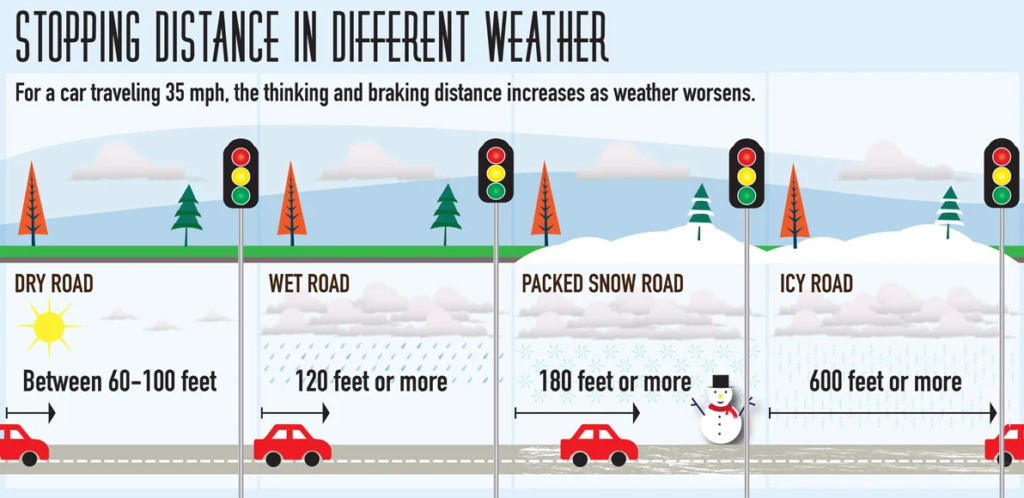
Special caution applies to nighttime driving in places like Hokkaido, where plummeting temperatures create black ice (nearly invisible thin ice on roads)—reduce speed further and proceed carefully.
Smooth Steering and Braking Control 🔄
Another cardinal rule for snow driving: all operations must be gentle and smooth. This includes steering wheel movements, throttle application/release, and brake application/release—avoid all sudden, forceful actions. The reason: tires in low-traction conditions often respond to abrupt, aggressive inputs with loss of control.
For instance, jerking the steering wheel hard may cause the vehicle to continue sliding in its original direction due to inertia (understeer, commonly called “plowing”). Slamming on the brakes locks wheels that then slide across ice, actually preventing stopping. Flooring the accelerator causes wheel spin without forward motion, potentially causing the vehicle to slide laterally out of control. In summary, when snow driving, all your movements should be “light” and “slow.” Turn the steering wheel gradually, giving tires time to track; brake early and gently, allowing gradual deceleration rather than abrupt stopping; apply throttle delicately, accelerating gradually rather than full-force. Proper driving habits resemble dancing on ice—graceful and composed, never violent and forceful.
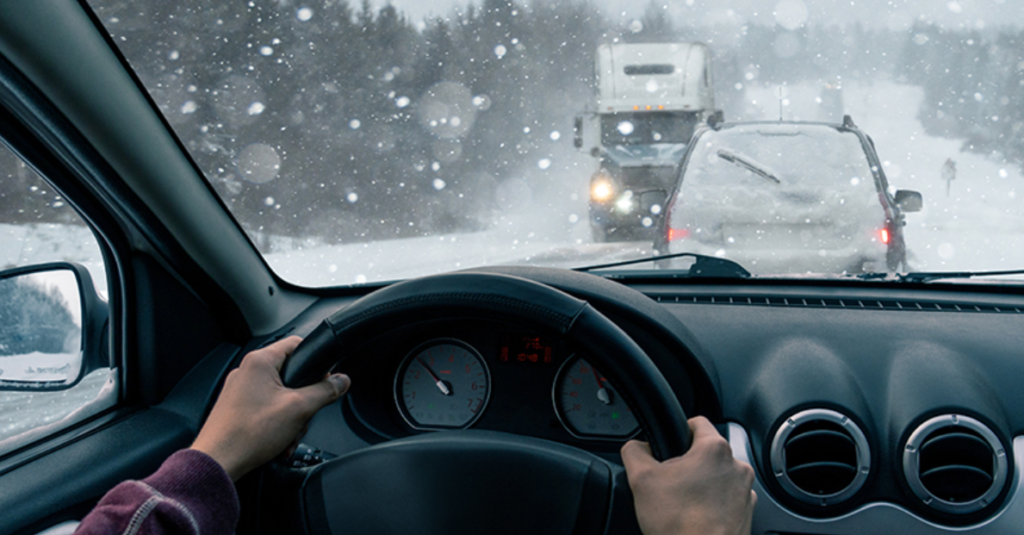
Practically speaking, imagine carrying a full cup of hot coffee in your vehicle—your mission is preventing spillage. This mental framework subconsciously encourages gentle driving. If your vehicle features ABS anti-lock braking and Electronic Stability Control (ESC), these systems normally provide additional correction based on your smooth inputs.
If you feel wheels beginning to slip, never panic and jerk the steering or slam the brakes—this only worsens the situation. The correct approach: continue gentle brake pressure while maintaining direction, allowing ABS to help by pulsing the brakes for deceleration. If experiencing understeer mid-corner (can’t make the turn), moderately release throttle to restore vehicle weight distribution, then gently tap brakes—never maintain full pressure. Conversely, if experiencing oversteer (rear sliding out), don’t wildly countersteer; instead, slightly adjust the steering wheel in the direction of rear slide while gently applying brakes to reduce speed, then correct course once the vehicle realigns. Bottom line: maintain composure, slow your movements, allow the vehicle to gradually respond to your inputs—this ensures safe passage through every snowy kilometer.
Cornering and Hill Navigation 🏔️
Corners and slopes represent two scenarios requiring extra caution in snow driving. First, cornering: while racing wisdom says “slow in, fast out,” on snowy surfaces we modify this to “slow in, slow out.” Maintain low speed throughout the entire corner—never accelerate mid-turn. Reduce speed to a safe range (e.g., 20-30 km/h depending on corner sharpness) before entry, ideally avoiding mid-corner braking or acceleration to prevent overloading tires and losing grip.
Turn the steering wheel at a steady rate, avoiding sudden full-lock turns. Snow corners easily produce understeer or oversteer phenomena. Fortunately, during mountain driving, what seemed like a gentle curve revealed hidden ice, creating a heart-stopping moment of front wheel understeer immediately followed by rear wheel oversteer. Thankfully, low speed allowed quick counter-steering and gentle braking, successfully regaining traction. This demonstrates that regardless of how gentle a curve appears or how slow your speed, never let your guard down on snow!
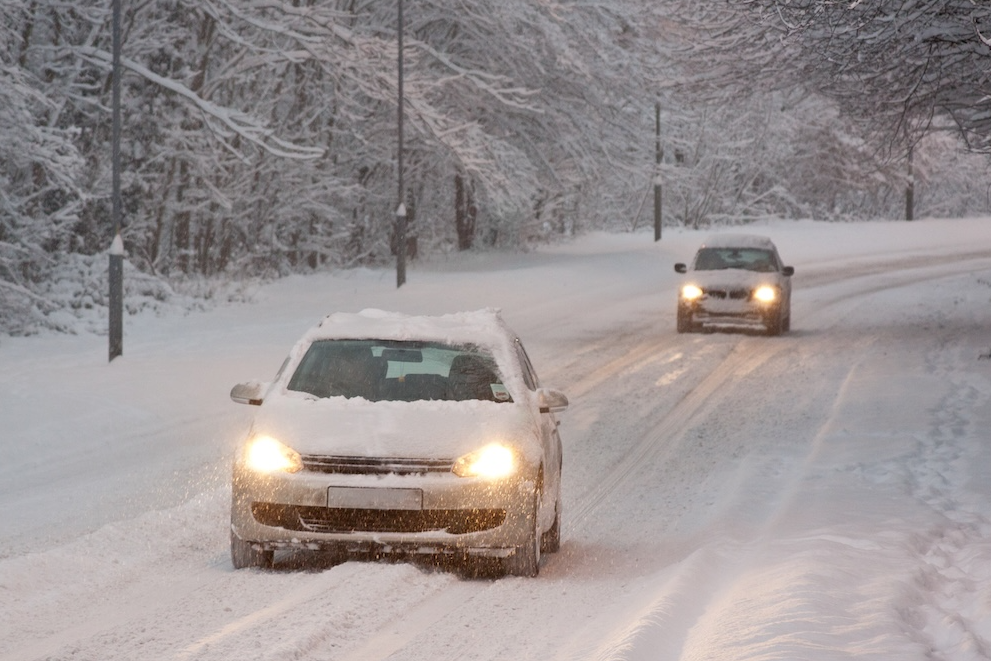
The correct method: decelerate early, turn at low speed, avoid aggressive throttle application, and only very gradually accelerate once pointing in the exit direction. Don’t accelerate hard on corner exit to avoid renewed sliding immediately after straightening. Successfully navigating each corner steadily represents a significant victory in snow driving.
Now for uphill and downhill driving. When climbing, the key is maintaining momentum. Shift into a lower gear in advance (automatic transmissions can switch to L or manual mode for downshifting), adding slight speed as you approach the slope base, allowing the vehicle to climb using inertia rather than stopping mid-slope or aggressively flooring it. Stopping mid-climb and attempting to restart may cause drive wheel slippage, preventing ascent or even causing rollback. Maintain distance from vehicles ahead before climbing to ensure continuous momentum and space. If unable to complete the climb in one attempt, don’t force it by spinning wheels wildly, which only digs snow into ice pits. Instead, back down to the base, regroup, wait for tires to regain traction, then retry. If necessary, use the roadside where fresh snow provides better friction, cutting diagonally upward. In short, take detours over risks.
Descents present even greater danger. Gravity accelerates downward sliding, making it absolutely essential to avoid relying solely on foot brakes—fully utilize engine braking for speed control. In other words, shift into low gear (2nd or 1st) before long descents, using low gear’s high resistance to limit speed, letting the vehicle “slowly flow downward.” Keep your right foot lightly on the brake pedal for fine-tuning speed adjustments rather than constant hard pressure. Critically, never coast in neutral for speed—that eliminates all engine braking, creating extreme danger. Downhill cornering follows previously mentioned principles with even greater speed reduction; if necessary, use straightaways to brake to extremely low speeds before turning.
Some Japanese mountain roads feature emergency runaway lanes in winter for out-of-control descending vehicles. We hope no one needs them, so remember: don’t rush downhill, downshift frequently, brake often. When encountering particularly steep icy slopes, even consider detours or waiting for road treatment—safety first always.
Snow Extraction Techniques 🧗♂️
Despite thorough preparation, you might still encounter getting stuck or being unable to climb slopes. Getting stuck means wheels spinning without the vehicle moving. Don’t panic, and definitely don’t keep flooring the accelerator—that only digs you deeper.
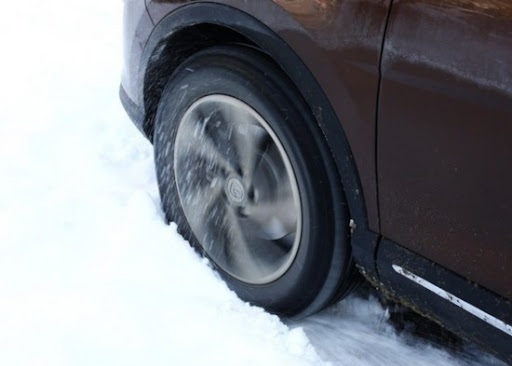
The correct extraction technique: gently attempt to help tires regain ground contact. Switch to low gear, then lightly apply throttle (about 1/4 pedal travel) while simultaneously making small left-right steering wheel movements. This helps front wheels seek traction points laterally on the ground surface. Sometimes wheels spin because directly beneath lies loose or iced snow, while just centimeters away exists harder snow or gravel where tires can grip. Maintain light throttle while oscillating wheels left-right to explore—the vehicle may slowly move forward (or backward).
If traveling with companions, have them observe from outside which wheel is spinning, or place anti-slip materials in front of tires (in the direction of travel), such as sand, wooden boards, carpet, or even floor mats—all help restore tire traction.
If repeated attempts over one or two minutes achieve nothing, stop punishing the vehicle—the undercarriage may be resting on snow, causing tires to lose downward pressure, rendering spinning futile. In this situation, exit and dig away excess snow around tires and underneath. If your rental includes a small shovel or you brought a folding snow shovel, this is its moment; without tools, even bare hands must clear some snow.
Four-wheel drive vehicles typically have tow hook openings under front or rear bumpers. You can request passing 4WD vehicles to tow you out using recovery straps. In tourist-frequent areas like Hokkaido, local police and road companies also provide towing assistance (possibly for a fee). If truly isolated with no villages ahead or behind and genuinely desperate, you might consider installing chains for added traction or waiting for rescue. This underscores why we emphasize avoiding extreme weather beforehand and steering clear of remote uncleared roads while driving—minimizing the chance of getting stuck. If unfortunately stranded, never frantically floor the accelerator, potentially worsening the situation or damaging the vehicle. Follow these steps patiently, and you’ll usually extract successfully.
Worth mentioning: during snow driving in Japan, we discovered a useful trick—if wheels spin without traction, try disabling the vehicle’s Traction Control System (TRC) before gently applying throttle. Many modern vehicles automatically reduce engine output or apply brakes when detecting wheel slip (this is TRC intervention). While normally helpful for safety, in deep snow this sometimes prevents tires from receiving sufficient power to compress and compact the snow. With surroundings confirmed safe, disabling the traction system or switching to special modes that allow continuous wheel power may achieve breakthrough. However, remember to immediately re-enable the system after extraction—on-road driving still requires its stabilizing assistance.
🏙️ Driving Experience in Heavy Snow Conditions
The principles and techniques explained above largely stem from our hands-on experience in Tokamachi City, Niigata Prefecture. Here, we’d like to share some firsthand observations and insights from snow country driving, offering you a more intuitive understanding of what heavy snow driving truly entails.
Tokamachi in Niigata Prefecture sits on the Japan Sea side of Honshu Island, renowned as a “heavy snow region.” We arrived during harsh January winter when the entire city resembled a snow-crafted maze: roads flanked by nearly 2-meter-high snow walls, many houses’ first-floor windows completely buried by white snow with only second-floor eaves visible. Local residents’ daily routine consists of shoveling snow, then more snow, maintaining clear doorways and driveways. Tokamachi’s winter proved both fascinating and awe-inspiring for us outsiders.
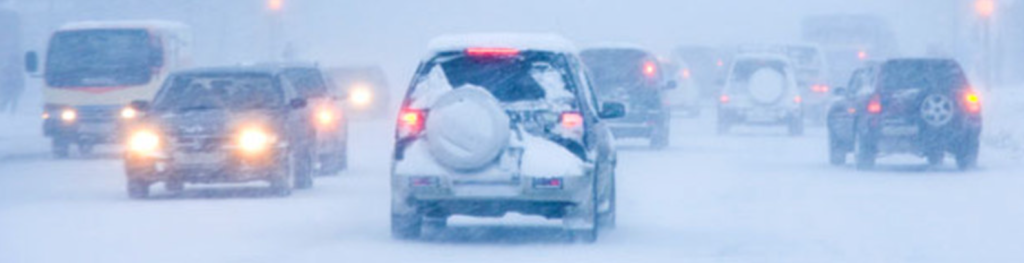
Driving here felt like navigating tunnels carved through snow walls, road surfaces alternating black and white—black asphalt cleared by snowplows, white unmelted accumulation. Despite daily snow removal operations, frequent snowfall left many minor roads covered with thin snow layers. Simultaneously, roadside yellow columnar markers appeared regularly—boundary indicator poles extending 2-3 meters above ground, helping drivers identify road edges when heavy snow obscures surface markings.
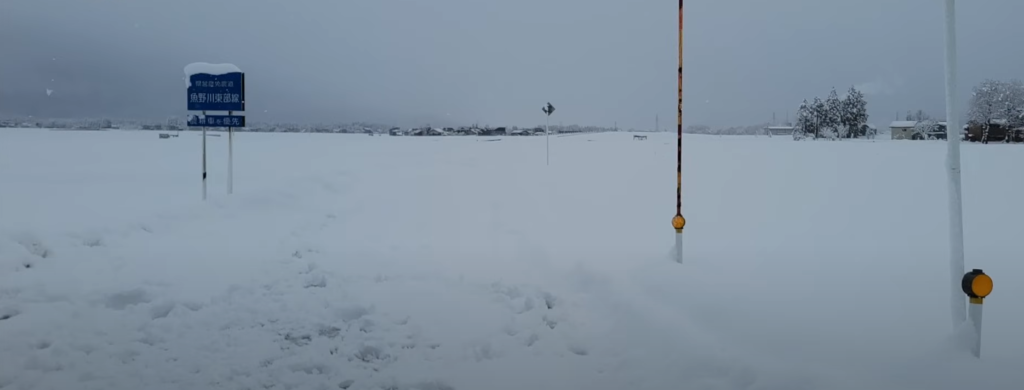
Initially driving through such narrow passages compressed by snow walls on both sides kept our nerves taut, fearing we’d scrape walls or oncoming vehicles. Fortunately, local Japanese drivers exercise great caution, yielding on narrow roads—one vehicle pulls aside completely before the other passes. We adopted this practice too; when meeting large trucks, we’d find slightly wider roadside areas to stop, allowing them passage before proceeding, avoiding forced squeezing. When Japanese drivers yielded to us, their clearly visible goodwill smiles seemed to say “take your time, no rush.” This tolerance moved us while reminding us never to inconvenience others—yield when appropriate, never take chances by being stubborn.
While Tokamachi’s main arteries receive diligent snow removal, temperatures constantly hovering around zero cause road surfaces to alternate between wet-slippery and icy. We deliberately selected an open, straight fresh-snow section for testing: the surface covered with approximately 5cm loose snow, we drove at 40 km/h then applied moderate brake pressure. The vehicle immediately activated ABS and began sliding, requiring nearly an additional car length beyond normal distance to stop after brake application! This demonstrates that even at moderate speeds, snow significantly extends braking distances.
Subsequently, we tested emergency lane changes—when sharply turning the steering wheel, the front end clearly responded sluggishly with severe understeer. This further confirmed how crucial “slow” and “smooth” truly are. Through these tests, we gained clearer understanding of the vehicle’s snow limits, proceeding even more cautiously throughout the remainder of our journey, never attempting anything beyond the vehicle’s capabilities. For instance, seeing an uncleared vacant lot roadside where we wanted to photograph, we realized the thick soft snow underneath might trap us without a 4WD truck, ultimately abandoning the idea—better to detour than risk it. Snow driving often involves split-second decisions: slight greed may breed disaster; slight caution ensures safety. We naturally chose the latter.
📋 Personal Observations and Practical Recommendations
This Tokamachi snow driving journey proved highly educational, yielding several interesting observations and recommendations:
- Utilize Road Infrastructure: Japan’s snow region road designs demonstrate thoughtfulness. For example, we noticed boxes at some slope entrances filled with gravel and salt for drivers to use, spreading on slopes to increase friction. If slipping on an icy slope, look around for such “sand boxes”—exit and scoop material to spread in front of wheels. Additionally, some expressways and national highways feature “tire checkpoints” for drivers to verify snow tires or chain security before entering snow zones—convenient for vehicle condition checks. Some parking lots provide hoses or long-handled brushes at entrances/exits for clearing snow from lights or roofs—clean excessive vehicle snow before entering, as melting snow sliding off while driving may endanger others. In summary, observing and utilizing these Japanese snow-driving design details makes your journey smoother.
- Monitor Weather Forecasts: Snow country weather changes rapidly—repeatedly verify weather forecasts and road information before departure. If forecasts predict blizzard warnings or heavy snow alerts, avoid driving or switch to trains/buses to prevent mid-route stranding. During our trip, we encountered overnight heavy snow causing road departments to temporarily close a mountain section—fortunately, we detoured in time. Japan maintains dedicated road information websites and Twitter accounts posting real-time expressway/road closures—extremely useful. If weather deteriorates while driving (suddenly unable to see ahead through white-out conditions), activate hazard lights, reduce speed or even seek safe shelter, waiting for snowfall to diminish. Safety always trumps schedule—never force through storms to meet itinerary.
- Respect Local Traffic Rules: Japan’s traffic rules and driving culture may differ from your accustomed norms. In tourism hotspots like Hokkaido and Tohoku, police strengthen winter guidance for foreign drivers annually, reminding everyone about speed limits and parking violations. For instance, illegal parking in certain areas obstructs snowplow routes—locals strictly enforce parking rules. Similarly, no right turns on red lights (Japan drives left, no left turns on red), expressways strictly prohibit stopping for photos, etc.
- Following Rules Protects You: During travels, we witnessed tourists dangerously parking on expressway shoulders for snow photography—never imitate this! When stopping for photos, find legal parking zones or rest areas before exiting. We hope everyone adopts “when in Rome” attitudes while driving—Japanese drivers demonstrate courtesy, and we should reciprocate, avoiding aggressive driving, improper high-beam usage, or outrageous actions disrupting others’ journeys.
🗾 Recommended Japanese Snow Driving Destinations
Japan’s vast territory transforms multiple regions into winter wonderlands, perfectly suited for self-driving exploration. Below are several popular and relatively accessible snow driving destinations for your reference:
Hokkaido 🏂
As Japan’s premier snow country driving destination, Hokkaido offers comprehensive winter road maintenance and abundant snow scenery. Annual snowfall begins in November throughout the region, with cities like Sapporo and Otaru maintaining excellent snow removal and de-icing—even beginners adapt relatively easily.
Recommended itineraries include Furano and Biei for viewing vast snowy plains and unique winter natural landscapes (like the famous Blue Pond nighttime illumination) plus Niseko ski resorts. Driving through Hokkaido’s rural roads flanked by accumulated white snow and tranquil forests creates dreamlike experiences.
However, note that Hokkaido’s vastness creates long intercity distances—thorough route planning and close weather monitoring are essential. During blizzards, patiently wait or detour rather than risk forced passage.
Niigata and Surroundings 🎿
Niigata Prefecture on Honshu’s Japan Sea side is famous for heavy snow regions with annual snowfall topping rankings. For self-drivers, Niigata’s appeal lies in convenient access—approximately 3 hours’ drive from Tokyo reaches snow country scenery.
For example, Echigo-Yuzawa town and surrounding Yuzawa mountains accumulate deep winter snow, hosting numerous ski resorts and hot spring inns for combined skiing/bathing experiences. Tokamachi City’s Kiyotsu Gorge offers spectacular snow scenery—post-snowfall valley silver-draped beauty merits visits (verify mountain road conditions and ensure daily opening).
Niigata’s Joetsu region borders Nagano Prefecture, enabling side trips to Myoko Plateau, Nozawa Onsen, and other famous snow villages. Regional expressways like Kan-etsu and Joshinetsu maintain comprehensive winter snow removal, though watch for temporary avalanche or closure notices. Overall, Niigata suits self-drivers wanting heavy snow experiences without excessive distance.
Tohoku Region ⛄
Japan’s Tohoku encompasses six prefectures—Aomori, Iwate, Miyagi, Akita, Yamagata, and Fukushima—offering magnificent winter scenery but relatively complex road conditions. With snow driving experience, consider challenging Tohoku’s winter secrets.
For instance, Hachimantai snow plain roads straddling Akita and Iwate offer spectacular views but require attention to icy surfaces. Yamagata Zao Onsen’s ice monster phenomena prove breathtaking, though winding mountain roads suggest 4WD vehicles with chains. Aomori’s Oirase Stream frozen waterfalls display stunning winter beauty, but heavy snow may close certain sections—verify road information beforehand.
Driving through Tohoku also enables rural snow scenery and hot spring village experiences—like Nyuto Onsen’s thatched-roof inns resembling fairy tales amid snow. However, prioritize safety: some Tohoku areas exceed even Hokkaido’s snowfall—always check weather forecasts and traffic announcements before departure, avoiding mountain trips during severe weather while carrying emergency chains. Additionally, Tohoku winters feature short days and early sunsets—schedule loosely not tightly, allowing sufficient time for same-day round trips, avoiding nighttime mountain driving.
🚵♂️ Additional Recommended Routes
Central Honshu’s Nagano and Gunma prefectures offer numerous snow scene destinations for self-driving exploration, including Nagano’s Hakuba Village ski resort, Nozawa Onsen ski resort, and Gunma’s Kusatsu Onsen snow scenery. These locations feature accessible expressways with comprehensive service areas—ideal for family driving.
Gifu Prefecture’s Shirakawa-go Gassho Village stands as a famous UNESCO World Heritage snow scene, though winding mountain roads require careful driving (winter sometimes brings road closures requiring shuttle buses only). With strong driving confidence, try Japan’s “sky snow corridor road” experiences, like snow wall scenic roads near Toyama’s Tateyama Kurobe—though such roads maintain limited opening times for special events.
First-time snow drivers should focus itineraries on cities plus nearby suburbs—like short trips from Sapporo, Niigata city plus adjacent ski resorts—gaining experience before challenging deep mountain snow country.
❓ Frequently Asked Questions (FAQ)
Can foreigners drive in Japan during winter? What requirements exist?
Yes—meeting requirements and preparing properly allows foreign tourists to self-drive in winter Japan. You need your national driver’s license plus an International Driving Permit (IDP), presenting both upon arrival for legal car rental. Additionally, you must be 18+ years old and hold a credit card for rentals. Regarding vehicles, winter rentals absolutely require snow tire-equipped cars. With these basics covered, reading guides and driving cautiously enables safe foreign winter driving in Japan.
Is winter driving dangerous in Japan? Are accidents common?
Risks exist but remain manageable. As mentioned earlier, foreigners experience over 4 times the accident rate of locals in snowy conditions. Primary causes include lack of snow driving experience and risk underestimation. However, strictly following safety guidelines (reduced speed, increased distance, snow tires, etc.) usually ensures safe journeys. Japan’s road maintenance and snow removal actually perform excellently—driving environments remain controllable except during blizzards. In summary, snow driving carries potential dangers, but thorough preparation and careful driving dramatically reduce risks.
Having never driven in snow, can beginners attempt Japanese snow driving?
Assess capabilities realistically. If your general driving experience remains limited or you lack control confidence, consider initially avoiding self-driving to excessively remote or extreme weather snow zones. For first attempts, choose regions like Hokkaido with better road conditions, relatively relaxed traffic, more tourists, and better-equipped vehicles (snow tires, multilingual navigation).
Alternatively, join local day-tour buses to snow destinations, observing snow road conditions before deciding. If genuinely attempting challenges, beginners must thoroughly research and practice braking/cornering responses to slipping in empty, vehicle-free parking lots before road driving. Remember—when situations feel wrong, slow or stop rather than persisting. Don’t be stubborn.
How do I ensure snow tires when renting? Are there extra charges?
First, select “winter tires/snow tires” options when booking online. Many platforms (like Klook) indicate which packages include snow tires. Hokkaido and Tohoku rentals typically include complimentary snow tires (December through March/April represents free snow tire periods). However, picking up in non-snow regions like Tokyo or Osaka may require paid snow tire additions or selecting “4WD snow tire vehicle” categories.
Upon pickup, check tire sidewalls for snowflake mountain symbols (international snow tire symbols) confirming proper snow tire installation. When in doubt, reconfirm with staff during pickup.
Do I need to prepare snow chains separately?
Usually unnecessary to self-prepare chains. Japan’s main roads maintain comprehensive snow removal—quality snow tires sufficiently handle typical snow conditions. Unless planning extremely remote area travel or encountering rare extreme blizzards, chains remain unnecessary. If still concerned, rent chains from rental companies and learn proper installation—but if road conditions deteriorate requiring chains, safely changing routes or postponing trips is wiser.
If unable to rent 4WD vehicles, can two-wheel drive cars handle snowy roads?
Even FWD or RWD vehicles can navigate light snow roads, but steep slopes or thick snow easily cause slipping. With only two-wheel drive available, exercise extra caution: avoid deeply snow-accumulated mountain roads, constantly monitor changing conditions, and reduce speed. Prefer daytime driving for improved visibility and earlier problem detection.
What’s the best month for self-driving tours? Which regions are worthwhile?
Japanese regions vary in snowfall timing and intensity—generally speaking:
- Hokkaido: December through March provides stable snow accumulation, with January-February’s heavy snow period optimal for photography and winter activities.
- Tohoku/Niigata: Late December through late February represents prime snow viewing with thickest accumulation.
- Chubu Region (Nagano/Gunma): January through February offers best snow conditions with fully opened ski resorts.
Considering daylight hours and road conditions, mid-January through mid-February proves relatively ideal for snow driving. This period provides ample snowfall without spring thaw beginning, with snow removal systems fully operational. Avoiding New Year’s and Lunar New Year peak tourism periods enables quieter snow experiences. Regardless of departure timing, closely monitor weather forecasts and road closure information.
What’s the approximate total cost of snow driving? Any money-saving tips?
Winter self-driving costs vary significantly by region and trip duration, but approximate cost breakdown includes:
- Rental fees: 4WD + snow tire vehicles cost approximately ¥8,000-15,000 daily (depending on vehicle size)
- Fuel costs: Influenced by driving distance, with snow driving consuming more fuel than normal
- Expressway tolls: Tokyo to Niigata approximately ¥5,000 (one way)
- Parking fees: Urban areas approximately ¥300-500 hourly, ski resort areas sometimes offer free parking
- Insurance fees: Comprehensive insurance adds approximately ¥1,500-2,500 daily
Money-saving tips include: advance comparison shopping for vehicle bookings, selecting smaller 4WD models, avoiding peak travel seasons, utilizing expressway passes (like Tohoku Hokkaido Expressway Pass), cooking some meals at convenience stores, choosing accommodations with free parking, etc. Overall, compared to group tours, self-driving involves higher upfront costs but dramatically increases freedom—an excellent way to experience Japan’s snow country.
✨ Conclusion
This “Complete Guide to Winter Driving in Japan” aims to help self-driving enthusiasts safely enjoy winter driving pleasures in Japan. In summary, reliable vehicles, adequate equipment, cautious driving, and rule compliance represent the four pillars of snow driving. Complete thorough pre-departure preparations, and even the most magnificent snow scenes become accessible. Cruising along snow-covered highways in your vehicle creates uniquely unforgettable experiences.
Drive cautiously on icy roads, maintain constant vigilance—safety always comes first. Even when encountering severe weather or road closures, remain calm and adjust itineraries appropriately. After all, a journey’s meaning encompasses not just destinations but the scenery and experiences along the way.
We hope this guide provides practical assistance for your Japanese winter driving adventures. Wishing you safe, smooth travels and wonderful memories!