

Looking for a weekend getaway to escape the urban hustle? Flowerpot Island, located on Lake Huron in Ontario, Canada, is an absolute must-visit destination. Famous for its two distinctive natural rock formations resembling flowerpots, this island boasts crystal-clear turquoise waters, pristine hiking trails, and unforgettable starlit camping experiences. This comprehensive guide provides a complete 2-Day 1-Night Flowerpot Island travel itinerary, covering everything from route planning and transportation to camping, accommodations, must-see attractions, and local cuisine. Whether you’re an outdoor adventure enthusiast or seeking a relaxing vacation, this guide will help you effortlessly plan an unforgettable Flowerpot Island journey!
Trip Highlights at a Glance: Day 1 explores Bruce Peninsula National Park—hike to the enchanting cave The Grotto and swim in the turquoise waters of Indian Head Cove; spend the night camping under a blanket of stars or relax at a lakeside inn in Tobermory. Day 2 takes you by boat to Flowerpot Island—get up close with the two magical flowerpot rock formations, hike pristine trails to visit the lighthouse and sea caves, and immerse yourself in stunning lake and mountain scenery. Don’t miss the local fresh whitefish delicacies! Without further ado, let’s embark on this two-day, one-night Flowerpot Island adventure!
📍 Flowerpot Island Must-See Attractions & Activities
Flowerpot Island and its surrounding area feature some of Ontario’s most unique natural landscapes. Here are the essential attractions and activities for your two-day itinerary:
The Grotto Cave Adventure
The Grotto is one of the most famous natural wonders within Bruce Peninsula National Park. This natural limestone cave sits along the sapphire shores of Georgian Bay. Sunlight streams through the cave’s skylight, illuminating crystal-clear turquoise waters, creating what looks like a hidden natural pool of breathtaking beauty.
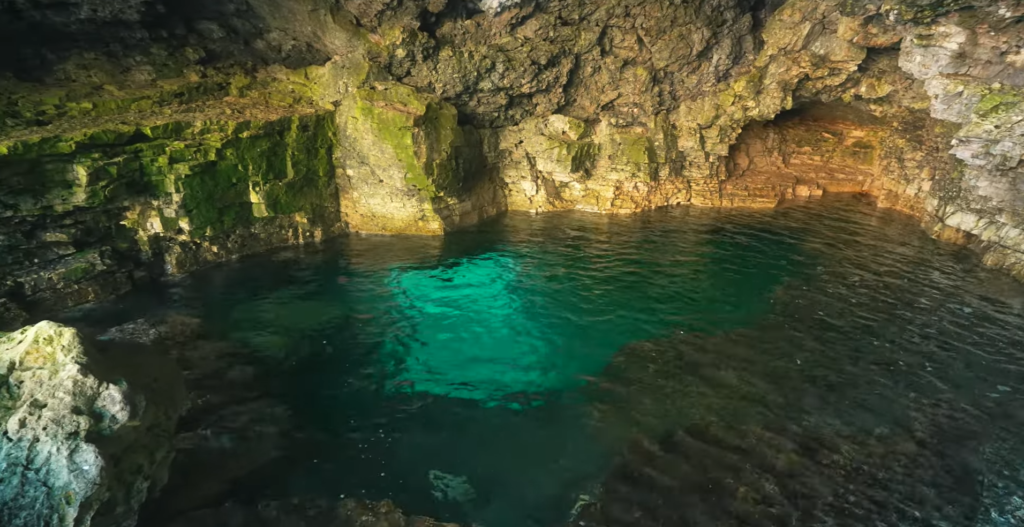
Visitors can reach the Grotto by hiking along the Cyprus Lake Trail for approximately 30 minutes. The trail is relatively flat and accessible to most people (we recommend wearing slip-resistant athletic shoes). Before reaching the destination, you’ll first encounter an expansive rocky bay called Indian Head Cove (detailed in the next section). Continue toward the right-side rock wall to find the narrow entrance leading down to the Grotto cave. You’ll need to carefully climb down the rocks (some sections are slightly steep, requiring use of hands and feet), and once you round the rock wall, you’ll be amazed by the stunning blue waters inside the cave!
Visitor Tips:
- Advance parking reservation required: The Grotto is a popular attraction, and during peak season (especially July-August weekends), parking permits must be reserved in advance. Be sure to book your Bruce Peninsula National Park parking time slot (typically morning or afternoon sessions) ahead of time on the Parks Canada website. Without a reservation, you may be turned away due to lack of parking.
- Bring swimwear and towels: The cave water is ice-cold and crystal clear—if you’re brave, try jumping into the Grotto pool for an exhilarating experience! Many visitors swim at Indian Head Cove or the Grotto during summer, but be cautious of slippery rocks, cold water temperatures, and sudden depth changes. Swim at your own risk and within your abilities.
- Avoiding crowds tip: For crowd-free photo opportunities, arrive as early as possible. The park typically opens from 8 AM to 8 PM. Morning session parking permits (e.g., 9 AM-12 PM) generally have fewer visitors. Additionally, visiting on weekdays or early September can help avoid peak crowds.
Indian Head Cove Scenic Beauty
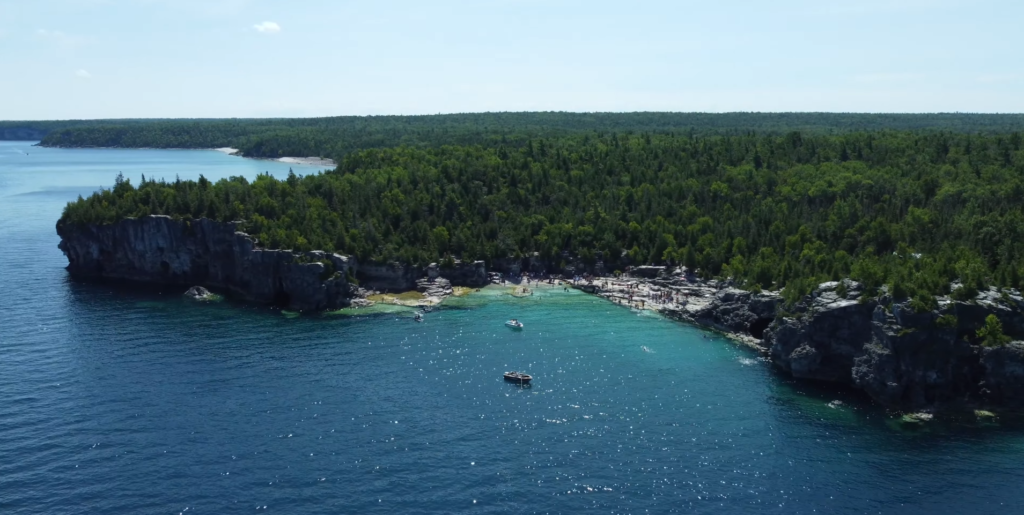
Adjacent to the Grotto lies the picturesque Indian Head Cove. This small bay is renowned for its white limestone shores and transparent turquoise waters. On sunny days, the lake water displays a dreamy blue-green gradient reminiscent of the Caribbean, making it another Instagram-worthy spot in Bruce Peninsula National Park.
At Indian Head Cove, you can:
- Splash around and picnic: The cove features large flat rock platforms perfect for resting. Many visitors take off their shoes to wade in the water and splash around. You can bring a simple lunch or snacks to picnic by the lakeshore, enjoying the cool lake breeze while taking in the surrounding pristine forest and clear lake views. Note there’s no sandy beach—the shore is entirely rocky, so bring a mat if you want to sit comfortably.
- Photography opportunities: Indian Head Cove’s crystal-clear waters are incredibly photogenic! Bring a waterproof camera or waterproof phone case to capture close-ups of the transparent lake water from the shore. Sometimes the water surface is mirror-calm, creating beautiful reflections. Visit during morning light or sunset when the rocks take on a golden hue for even more poetic shots.
- Explore surrounding trails: From the Cove, several small paths connect to the longer Bruce Trail. If you have time and energy, continue along the clifftop trails to enjoy spectacular Georgian Bay vistas. Just be mindful of the time and ensure you return to the main trail before sunset to avoid getting lost.
Special Reminder: This area gets quite crowded on summer afternoons. To find a quieter spot to enjoy the scenery, walk a bit further along the rocky shore away from the main crowd area. If visiting during non-summer months, be aware of slippery rocks and waves. While Indian Head Cove is beautiful, don’t get too close to the water’s edge on wet rocks to prevent falls.
Flowerpot Island Exploration
Visiting Flowerpot Island is, of course, the highlight of this trip! Flowerpot Island gets its name from two massive rock formations that resemble flowerpots, making it the crown jewel of Fathom Five National Marine Park. This small island remains pristine and natural, with no shops, restaurants, or hotels except for a simple dock, trails, and a historic lighthouse, perfectly preserving its natural beauty—ideal for outdoor adventure enthusiasts.
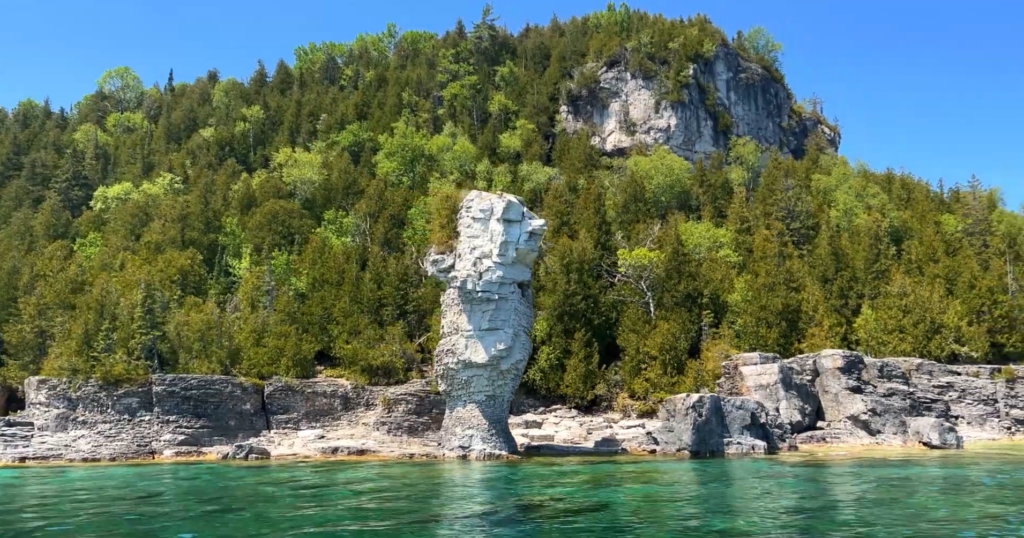
The ferry ride takes approximately 20-30 minutes from Tobermory harbor to Flowerpot Island. Upon disembarking, you’ll immediately see the two famous limestone flowerpot rocks along the rocky shore: one large and one small, standing tall beside the turquoise waters like natural works of art sculpted by nature. Be sure to take a photo with the “large flowerpot”—this is the must-have classic shot of the island!
We recommend walking the complete island loop (approximately 4 kilometers total, taking about 2 hours at a leisurely pace). Key activities include:
- Up-close flowerpot rock viewing: From the dock, follow the boardwalk a short distance to reach both flowerpot formations. Up close, you can truly appreciate their grandeur and wonder. Walk to the base of the large flowerpot and touch the rock texture formed by thousands of years of weathering and wave erosion. From the nearby small pebble beach, you can capture photos with the flowerpot rocks and stunning lake backdrop in the same frame.
- Explore the lighthouse and keeper’s cottage: Continue along the trail for about 20 minutes to reach the island’s northern highland, where you’ll find an old lighthouse (Flowerpot Island Lightstation) and several historic lightkeeper cottages. A viewing platform offers panoramic lake views. During summer, if volunteers are stationed there, you can even enter the cottage to view simple exhibits and purchase cold drinks. Experience the life of lighthouse keepers from days past, adding cultural depth to your journey.
- Visit sea caves: On the island’s northwest side through the forest, a side trail leads to a hidden cave (Flowerpot Island Cave). This small cave was formed by waves eroding the rock walls over many years. While not as spectacular as the Grotto, it offers its own adventurous charm. Cool mountain breezes flow through the cave, creating a timeless feeling. This is a hidden gem that many visitors miss—definitely explore it if you have time.
- Observe wildlife and flora: Flowerpot Island has rich natural ecology, with various wildflowers and moss-covered rocks along the way. If lucky, you might spot the island’s native residents—harmless Eastern Fox Snakes! While there are many snakes on the island, they’re essentially harmless. Just watch your step to avoid stepping on them, as they’ll usually quietly avoid people. Those uncomfortable with snakes needn’t worry too much—simply stay on the trails.
Touring Tips:
- Bring your own food and water: There are no restaurants serving food on the island, and no running water, so be sure to bring sufficient drinking water and lunch/snacks (there’s a picnic shelter near the dock for shaded dining). Sometimes volunteers at the lighthouse sell limited beverages, but it’s safest to prepare your own. Remember to pack out all trash to keep the island clean.
- Know your ferry schedule: Ferries typically offer Drop-off (explore the island and return on a designated ferry) or Stay Aboard (circle the island without disembarking) ticket options. We recommend choosing Drop-off for the full island experience. After receiving your round-trip ticket, note your return time and return to the island dock early (tickets usually show return time windows—boarding earlier or later depends on available space). During peak season, departure ferries may have long queues, so arrive at the dock 15 minutes early to ensure boarding.
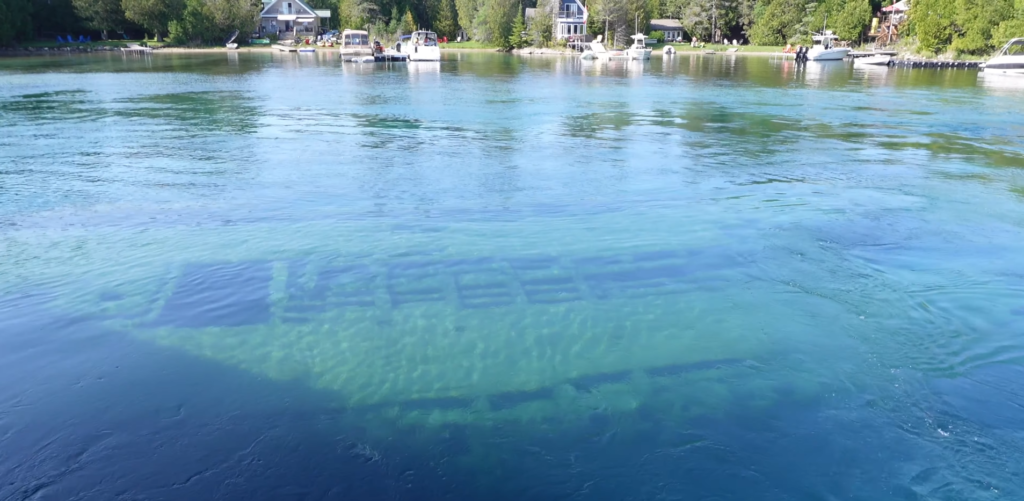
- View shipwrecks: During the journey from Tobermory, the ferry deliberately passes through several shallow water areas, allowing passengers to view shipwreck remains from over 100 years ago through the glass-bottom boat or from the deck. You can faintly see ship outlines in the crystal-clear water—a truly special experience! Find a good viewing spot. However, morning lake winds can be strong, so bring a windbreaker if standing on deck to avoid getting chilled by the lake breeze.
Though small, Flowerpot Island contains abundant natural and historical beauty. From spectacular flowerpot rocks to peaceful lighthouses and mysterious caves, every step brings surprises. Enjoy your time alone with nature!
🚗 Flowerpot Island Transportation Guide (How to Get There + Money-Saving Tips)
To successfully reach Flowerpot Island, you first need to get to Tobermory, then take a ferry to the island. Below we’ve compiled driving and public transportation options, along with money-saving suggestions:
1. Driving to Tobermory: From Toronto, driving is the most convenient option, taking approximately 4 hours (about 300 kilometers). The recommended route follows ON-410 transitioning to ON-10 north, then connecting to ON-6 highway all the way to Tobermory at the northern tip of Bruce Peninsula. There are no highway tolls along the route. You can rest and refuel at Owen Sound and Wiarton along the way. Important reminder: Gas stations become scarce once you enter the peninsula, and fuel prices are higher, so fill up your tank at Owen Sound or similar locations to avoid running low in remote areas. Upon reaching Tobermory, follow signs to the dock to board the ferry.
- Scenic stops along the way: If time permits, you can visit several unique attractions during your drive. For example, Sauble Beach, about an hour from Tobermory, is one of Canada’s famous beaches where you can wade in the water or watch the sunset during summer. Or stop at Wiarton to see the legendary groundhog statue of Wiarton Willie. These bonus surprises rarely mentioned in official guides can add color to your journey. Remember to plan your schedule reasonably and avoid fatigued driving due to rushing.
- Parking information: Tobermory is a small town, and you can park at nearby paid parking lots when heading to the ferry dock (two ferry company docks are adjacent). Parking spaces fill up quickly during summer weekends, so arrive early to find a spot or park a bit further away and walk. If camping in Bruce National Park, you can leave your car at the campsite and drive to the dock early the next morning.
2. Non-Driver Transportation (Bus/Group Tours): You can reach Flowerpot Island without a car! Each summer, sightseeing buses depart from Toronto. For example, Parkbus offers direct service from Toronto to Tobermory (about 4.5 hours one-way), with tickets relatively economical compared to driving costs, plus you avoid driving fatigue. After arriving by bus, purchase ferry tickets to board the island. Similarly, some travel agencies like Fliggy or local Chinese tour groups organize Bruce Peninsula + Flowerpot Island 2-day tours, including transportation and tickets, suitable for those who don’t want to plan themselves. However, group tours offer less flexibility and higher prices. For young backpackers, we recommend Parkbus or similar public transportation combined with independent travel for more economical freedom.
3. Ferry Information (Ticket Booking): After reaching Tobermory, head to Little Tub Harbour to board boats to the island. Currently, two main ferry companies operate services to Flowerpot Island: Bruce Anchor Cruises and Blue Heron Cruises. Both offer similar services, with vessel options including high-speed boats and glass-bottom tour boats. Ticket prices vary slightly by season and vessel type, with adult round-trips approximately 💲$50-70 CAD (peak season glass-bottom boats cost slightly more, around $60/person, including National Park landing fees). We recommend booking tickets online in advance to ensure seating (especially during peak season weekends when first morning boats and afternoon return boats sell out quickly). When booking, you’ll select outbound and return times. We generally recommend choosing the first boat in the morning to the island (around 9 AM), with return in the appropriate afternoon time slot, giving you ample island exploration time.
- Vessel type selection: If budget allows and you want to see shipwrecks, choose the glass-bottom ferry for the outbound journey. Through the transparent boat bottom, you can see ancient shipwrecks resting on the lake floor—a very special experience. Return on a speedboat to save time. To save money, regular speedboats work fine for round trips (viewing scenery is just as good, just without shipwreck details). Early bird discounts: Some ferry companies offer discounts on off-peak weekday early morning trips—for example, Bruce Anchor often offers 25% off early bird pricing on weekday first boats. Check official websites for promotional information to find deals.

- Ticket collection and boarding: After successful online booking, you’ll receive a confirmation email. Show it at the on-site ticket office to exchange for physical tickets and board. Please arrive at the dock at least 30 minutes early to exchange tickets and queue. During peak periods, the dock gets crowded with visitors—follow staff instructions for orderly boarding. The Flowerpot Island voyage isn’t long, but when lake waves are rough, the boat can pitch considerably. Those prone to seasickness should take motion sickness medication in advance.
4. Money-Saving and Pitfall-Avoiding Tips:
- Weekday travel: If you can take time off, try to avoid weekends or Canadian public holidays. Weekday accommodations cost less, ferry tickets are easier to book without surcharges, and attractions are less crowded for better experiences. Win-win-win!
- Carpooling: Gather three to five friends to travel together and split driving fuel costs and parking fees to save significantly. Or find willing carpool partners through travel agency/school carpooling groups—another economical option.
- Use travel passes: If you have a Canada National Parks annual pass (Discovery Pass), entrance fees to Bruce Peninsula National Park can be waived (though Flowerpot Island ferry tickets already include park fees, so you still pay the ferry cost). Additionally, student IDs may offer campground discounts—worth asking about for potential savings.
- Bring sufficient supplies: Tobermory’s local prices are high, with restaurant and supermarket food and goods costing more than in cities. We recommend purchasing water and snacks in Toronto or along the way before departure. Preparing your own lunch picnic not only saves money but also lets you enjoy outdoor dining amidst beautiful scenery—killing two birds with one stone.
- Avoid violation fines: Don’t risk illegal parking or violating park regulations. During peak season, local enforcement patrols frequently, and illegal parking can result in fines. Better to book properly in advance or park farther and walk than lose money this way.
Master the above transportation strategies, and you can reach Flowerpot Island in the way that best suits you while saving travel costs. Whether driving or taking transit, safety first and thorough planning ensure smooth arrival at this dreamlike paradise!
🤿 Diving to Explore Tobermory’s Mysterious Underwater World of Shipwrecks
1. Best Diving Season and Water Temperature Conditions: Tobermory (located at the northern tip of Bruce Peninsula in Ontario, Canada) is known as Canada’s diving capital, famous for its cold, clear waters that preserve numerous shipwrecks. The main diving season runs from summer through early fall (approximately June to September), when weather is warmer and lake surfaces are calmer, making it peak diving season. July and August typically represent diving peak periods, with surface water temperatures reaching around 15°C, and in sheltered shallow bays during midsummer, temperatures can even rise to about 21°C. However, note that freshwater lakes have a distinct thermocline at 30-40 feet (approximately 9-12 meters) depth, where water temperature drops sharply by about 10°C, with another decrease beyond 60 feet, maintaining nearly year-round cold water temperatures of about 4°C at depth. Therefore, even in summer, deep diving encounters very cold water. Spring and late fall water remains cold, but due to fewer plankton, often provides excellent visibility. Actually, early spring, late fall, and even pre-freeze winter lake water is clearest, with underwater visibility commonly reaching 23-30 meters. However, diving during these periods requires experience (winter may even require ice diving skills), and there are fewer divers. Overall, summer and fall suit warmer water temperatures for extended diving, while spring and winter offer best visibility but require enduring low temperatures. We recommend choosing seasons based on your cold tolerance, with summer daytime diving being optimal for most experiences.
2. Dive Equipment Rental Options and Prices: Local Tobermory dive shops offer complete equipment rental services, including tanks, weights, regulators, buoyancy compensators (BCDs), thick wetsuits (7mm), and other complete gear. The most renowned dive center Divers Den rents complete equipment but only wetsuits (no drysuits). Generally, complete scuba equipment daily rental costs around 100 CAD (excluding HST tax). Local complete equipment (including two tanks, regulator, BCD, 7mm wetsuit, fins, weights, dive computer, etc.) rental runs approximately 150 CAD daily, while another rental service offers complete rental for about 100 CAD + HST. Actual prices may vary by shop but generally fall within this range. Equipment can also be rented individually: for example, tank and weight packages cost about $35 CAD daily; individual wetsuit rentals or other accessories typically run several dozen CAD per item daily. Dive shops typically offer multi-day packages (weekend, full-week discount pricing) and multiple-item rental discounts. Besides Divers Den, starting in 2025, local Blue Heron Adventures (Adventure Tobermory) also plans to provide equipment rental and tank filling services, operating as a PADI five-star dive center. Regardless of which you choose, we recommend booking equipment in advance to ensure availability (especially during summer peak season). Additionally, due to Tobermory’s cold water temperatures, most rental wetsuits are 7mm, including hoods, gloves, booties, and other warming accessories; if you own drysuit diving equipment with appropriate qualifications, consider bringing your own, as local shops typically don’t provide drysuit rentals—divers need to bring their own or take drysuit courses to obtain rental qualifications.
3. Do You Need a Diving License? Beginner Experience Options:
- License requirements: To participate in shipwreck diving in Tobermory, you generally need to hold PADI or SSI Open Water or equivalent certification. Local regulations require divers participating in boat dive programs to have at least Open Water certification to dive into shipwreck areas within the park. Some deeper or more challenging shipwrecks (like the Arabia wreck at 36+ meters depth) require Advanced Open Water or higher certifications, plus proof of recent cold water diving experience. While shore dives don’t strictly verify certifications, it’s strongly recommended to have at least Open Water diving qualifications to ensure safety.
- Beginner options: For beginners without dive certifications, local dive shops offer experience diving courses, such as PADI’s “Discover Scuba Diving” experience. Participants can experience shipwreck diving underwater after brief training with instructor guidance, costing approximately 250 CAD per person. This experience doesn’t require prior certification, but instructors accompany throughout to ensure safety. Besides scuba diving, snorkeling is also an excellent way to view shallow shipwrecks: for example, the Sweepstakes wreck in Big Tub harbor is only about 6 meters deep, perfect for snorkeling observation. Snorkeling requires no license—participants just need warm gear and follow safety protocols.
4. Other Important Considerations:
- Visibility and underwater conditions: Tobermory’s location in Fathom Five National Marine Park is renowned for crystal-clear freshwater, with underwater visibility commonly reaching 15–30 meters, and excellent conditions exceeding 30 meters. Late spring/early summer and late fall offer better transparency due to lower water temperatures and fewer algae. However, summer visitor activity can stir sediments at certain dive sites, potentially reducing visibility slightly. Overall, this area features gentle currents, and most dive sites have fixed mooring buoys for vessel anchoring, with most shipwrecks located in relatively sheltered bays, making water surface conditions typically suitable for diving activities.
- Safety regulations: All divers diving in Fathom Five Marine Park must register in advance and purchase a diving permit (dive pass) before entering the water. Daily passes cost about 4.90 CAD, annual passes approximately 19.60 CAD. Snorkelers don’t need registration permits but must still follow park regulations. When diving, boats or buoys must display dive flags (red and white dive flags or blue and white Alpha flags), and divers should always remain within 30 meters (100 feet) of the flag. When diving from boats, at least one person must remain aboard to watch over the vessel, and anchoring in shipwreck areas is strictly prohibited (vessels should moor to designated buoys or use natural lake bottom anchoring). Specific areas within Tobermory harbor prohibit diving to avoid interfering with vessel traffic and private property; divers may only operate within designated numbered dive sites and must not enter tour boat navigation routes. Additionally, the park strictly prohibits removing or damaging any artifacts or natural objects, and moving or collecting shipwreck remains is forbidden to protect underwater cultural heritage.
- Thermal protection equipment and year-round diving: Tobermory is classified as typical cold water diving. Even summer diving requires wearing heavy thermal protection—7mm wetsuits with hoods, gloves, and booties are basic configurations. Many divers choose drysuits for better thermal protection, especially during spring/fall or multiple deep dives. In winter, area water temperatures approach freezing, and experienced diving enthusiasts conduct ice dives, but this requires professional training and equipment support—not recommended for general divers. In short, most recreational diving occurs during warmer months; if planning non-summer visits, definitely prepare appropriate drysuits or thick wetsuits, and ensure you have relevant cold water diving experience. Inform dive operators of your diving history in advance to confirm you meet local program requirements for safety.
🏕️ Camping & Accommodation Recommendations (Cyprus Lake Campground Details)
Overnight arrangements are a key part of your two-day, one-night itinerary. Depending on your preferences, you can choose to camp close to nature or stay at hotels and inns for comfort. Below are accommodation suggestions for Bruce Peninsula and the Tobermory area:
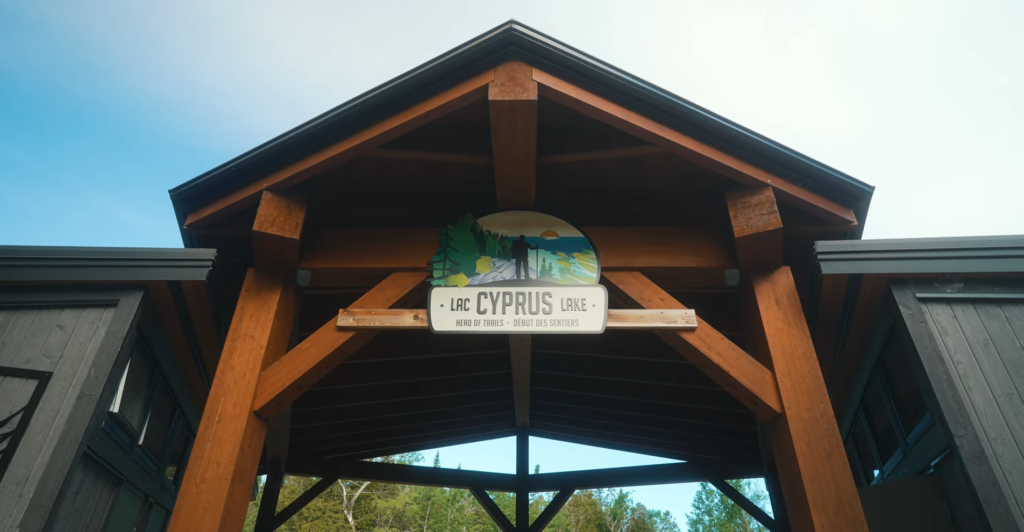
1. National Park Camping – Close to Stars and Lake Views: If you’re drawn to outdoor experiences, the Cyprus Lake Campground within Bruce Peninsula National Park is an excellent choice. Located on the shores of Cyprus Lake and surrounded by lush forests, this campground offers a serene and beautiful environment. It features 232 tent camping sites and 10 indigenous-style hard-top tents (Yurts). Yurts come equipped with beds, accommodating up to 5 people, eliminating the need to bring your own tent (but require a minimum two-night stay). All camping sites have picnic tables and fire rings, with public washrooms and shower facilities in common areas—very convenient.
- Booking tips: Summer peak season camping is extremely popular—book your site several months in advance through the Parks Canada website. Nightly rates range from approximately $40-60 CAD (depending on site type), with a booking fee required at reservation. July-August weekends typically fill up completely, so if planning to camp here, book early! If already full, consider visiting during off-peak periods like May-June or early September, when sites are easier to book and there are fewer bugs.
- Unique experience: Staying at the park campground allows you to experience the breathtaking light-pollution-free starry sky—Bruce Peninsula is far from cities and designated as a famous dark sky preserve. On clear nights, you can see countless stars and even the Milky Way stretching across the sky! Lying outside your tent gazing at the stars is a romantic experience hotels can’t match. Additionally, early morning lakeside walks reveal mist-shrouded landscapes with occasional wildlife sightings, like stepping into a fairy tale. These nature-exclusive treasures add immense value to the camping experience.
- Important notes: Food must not be left out overnight within the campground—store it in bear-proof boxes or vehicles to avoid attracting wildlife (raccoons are particularly cunning!). Nighttime temperatures drop, so even in summer, bring warm sleeping bags and jackets. When using campfires for warmth, follow safety and fire prevention regulations (fires must be in designated rings, and you must purchase your own firewood). Observe quiet hours (typically after 11 PM) so all campers can enjoy the peaceful night.
2. Tobermory Town Accommodation – Comfortable and Convenient: If you prefer staying at hotels or inns, Tobermory offers various options, including motels, inn lodges, and vacation cottages/cabins. Since the town is small with limited accommodation and high summer demand, booking early is crucial. Here are several common options:
- Motels/Small Hotels: Tobermory’s town center has several well-rated lodgings, such as Bruce Anchor Motel (near the dock, some rooms overlook the harbor), Princess Hotel (historic hotel with restaurant and bar), and Adventure the Bruce Inn (toward the park direction with hot tub). These accommodations are moderately priced at approximately $150-250 per night (higher during peak weekends). Facilities are relatively simple but include essentials, with the advantage of convenient locations—walking distance to the dock and restaurants/shops.
- B&B Inns and Vacation Homes: The town and surrounding area also offer resident-run bed & breakfast inns (B&Bs) or standalone vacation cottages for rent. B&Bs typically feature cozy rooms, with hosts providing breakfast and travel advice for a local experience. Vacation homes suit families or friend groups, usually with kitchens for cooking. Find these properties on Airbnb or cottage rental websites. Prices vary by room type and occupancy—for example, 2-bedroom cottages start around $300 per night during peak season but become quite affordable when split among multiple people.
- Surrounding town alternatives: If Tobermory lodging is fully booked, remember surrounding small towns are within 30-60 minutes’ drive, such as Lion’s Head, Wiarton, and Sauble Beach. These locations offer more diverse hotel and inn options at slightly lower prices. Though requiring commuting, the scenic routes make it worthwhile. Additionally, staying in the more distant Owen Sound downtown is an option (though the round-trip drive is longer, only suitable as a last resort when accommodation isn’t available elsewhere).
3. Flowerpot Island Camping – Special Island Overnight Experience: For truly adventurous spirits, Flowerpot Island itself actually offers limited camping experiences! Near Beachy Cove, the island has 6 primitive tent sites (wooden camping platforms) that require advance booking through Parks Canada for permits. Staying overnight on Flowerpot Island means virtually no other visitors at night—you can exclusively enjoy the peaceful starry sky and experience the island’s most pristine morning scenery. Imagine watching visitors board the last ferry in the evening, leaving only you and a few other campers on the island, surrounded by lapping lake waters and forest insect chirps—what an unforgettable experience!
However, Flowerpot Island camping has high barriers to entry: first, limited sites require competitive booking; second, you must bring all camping equipment and transport tents, sleeping bags, and all luggage by boat to the island, plus bring cooking gear, food, and fresh water—very physically demanding and requiring careful planning. The island lacks shower facilities, with only basic toilets, making conditions quite rugged. Therefore, unless you’re an experienced camper, we recommend mainland camping (like Cyprus Lake) or town accommodations, treating Flowerpot Island as a daytime touring destination. This way, you enjoy island scenery without accommodation worries.
Accommodation Booking Tips: Summer weekend Tobermory lodging fills up completely—book early on Booking.com, Expedia, and similar platforms. Pay attention to cancellation policies for schedule flexibility. For reader convenience, we’ve embedded a hotel comparison link to help you quickly check Tobermory accommodation availability and pricing (click underlined text to jump to comparison): Compare Tobermory Hotel Prices. After selecting accommodation, book directly through affiliate links to get official pricing and promotional benefits.
Whether you choose camping for outdoor adventure or comfortable guest rooms, please book in advance. Also respect local regulations and maintain environmental cleanliness. Rest well to better enjoy the journey ahead!
🍽️ Flowerpot Island Must-Try Food Recommendations (Tobermory Must-Visit Restaurants)
While enjoying beautiful scenery, don’t miss Tobermory’s specialty cuisine! Although Flowerpot Island has no restaurants (bring your own food for the day), Tobermory offers various dining options to satisfy your appetite. Below are several popular local restaurants:
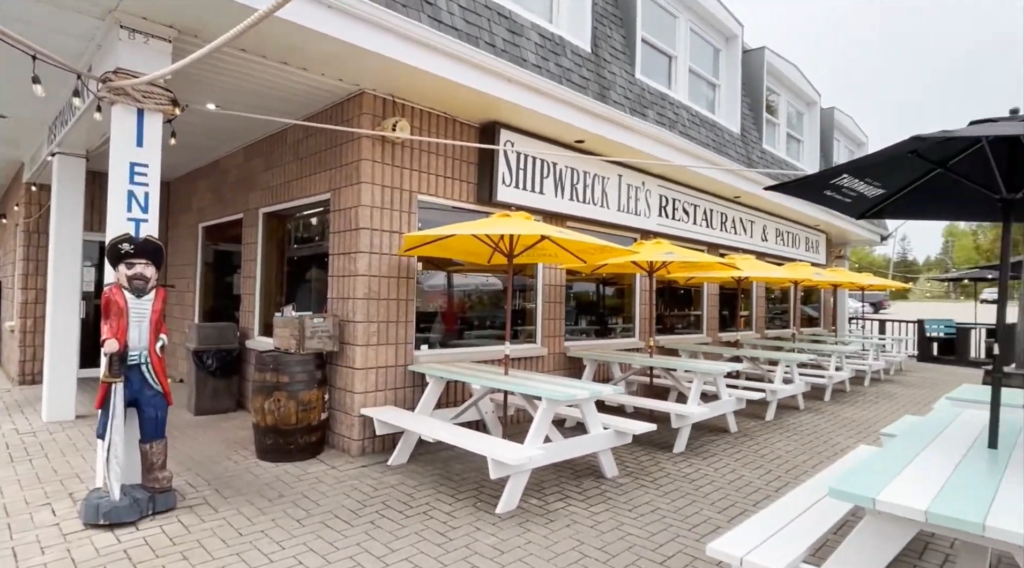
- Shipwreck Lee’s Pirate Bistro – Must-try signature dish: Fish & Chips
Coming to a harbor town, you must try locally caught fresh fish. This pirate-themed restaurant is the most famous spot in town for fish and chips! Especially their Whitefish dish—made to order, with golden crispy exterior and tender, juicy fish inside, served with chips and pickled vegetables. One bite delivers immense satisfaction. They also offer an “All-you-can-eat” unlimited refill package—those with big appetites can take up the challenge. The dining atmosphere is relaxed and fun, with staff dressed as pirates providing amusing interactions, perfect for families or friend gatherings. Expect waits during peak season evenings—recommend off-peak dining or lunchtime visits.
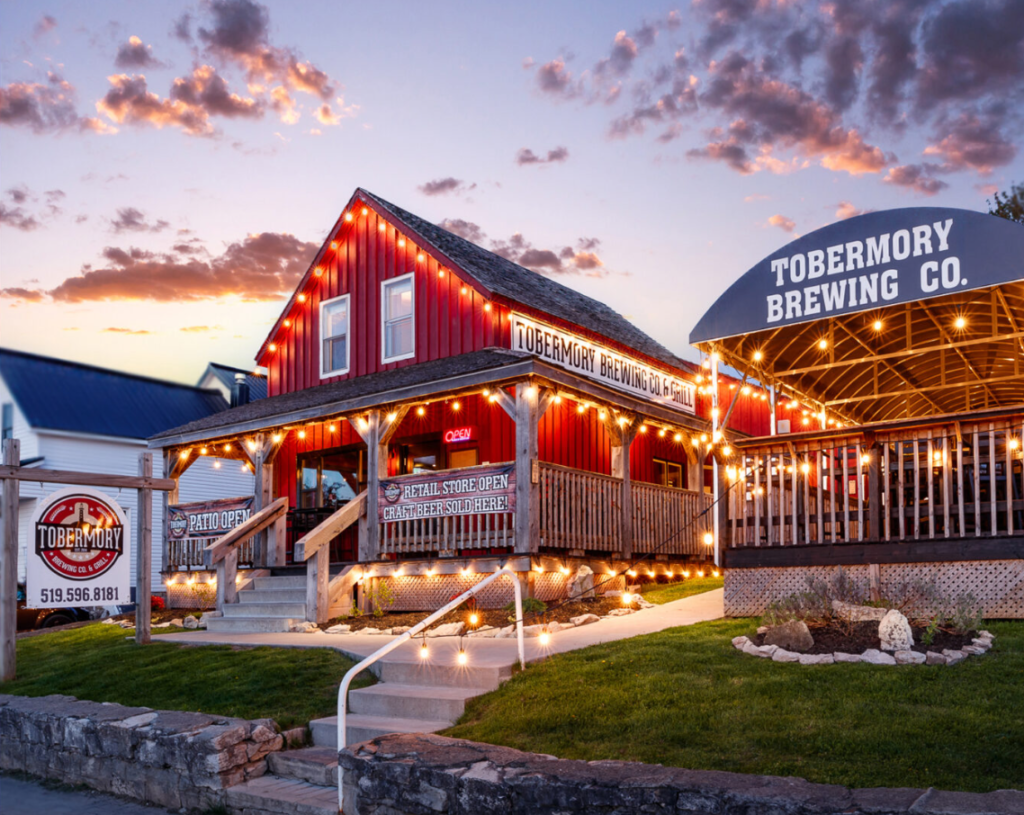
- Tobermory Brewing Company & Grill – Must-try signature: Craft Beer + Beef Burger
This restaurant combines a craft brewery, located dockside with second-floor patio harbor views. Beer lovers shouldn’t miss it! Their house-brewed beers come in various styles—try their classic lager or floral IPA. Signature dishes include juicy Angus beef burgers, beer-battered chicken wings, and well-reviewed seafood chowder. Order a cold beer with your meal and travel fatigue instantly melts away. Prices are moderate-to-high but worth it. Evening hours may have waits, but enjoying dock scenery while waiting is part of the experience.
- Coconut Joe’s Harbour Bar & Grill – Special experience: Waterfront outdoor bar
Looking for somewhere to relax with drinks? This harbor-side outdoor bar and grill is an excellent choice. The tropical island decor serves various BBQ, burgers, and salads, plus cocktails and beer. Evenings sitting outdoors, enjoying grilled shrimp skewers and cold beer while overlooking moored boats and sunset views, create pure bliss. Their coconut ice cream dessert also gets rave reviews. After nightfall, occasional live music performances let you experience a laid-back vacation atmosphere.

- Tobermory Princess Hotel Restaurant – Recommended for: Local favorite breakfast
If staying in town, consider an early visit to this historic Princess Hotel restaurant for breakfast or brunch. They serve traditional Western breakfast—pancakes, French toast, bacon and eggs, etc.—with generous portions at friendly prices. Window seats offer views of the peaceful morning harbor. On your second day before boarding, grab a hearty breakfast here for full energy! Their dinner menu is also solid, offering steaks and pasta—reliable choices that won’t disappoint.

- Tobermory Bakery & Cafe – Recommended for: Coffee bakery light fare
This bakery + café has extremely high town ratings as a dessert shop. Here you can buy fresh-baked bread, croissants, and various pastries (like blueberry muffins, cream fruit pies). They also serve aromatic lattes, iced coffee, and other energizing beverages. Many tourists stop by for morning coffee and croissants before boarding, or buy afternoon treats after touring. The simple, warm interior with friendly service makes it a great place to enjoy slow moments.

Friendly Reminder: Tobermory restaurants mainly serve Western seafood and American cuisine—no Chinese restaurants or chain fast food (no McDonald’s or KFC). If Western food doesn’t suit your palate, bring some dry goods or instant foods. When dining out, remember to tip appropriately (typically around 15% of the after-tax bill). Peak season dining rush occurs 6-8 PM—avoid waits by eating earlier or later. There’s also The Sweet Shop ice cream parlor by the dock, famous for various homemade ice cream flavors, perfect for afternoon or after-dinner treats to add sweetness to your journey.
Through exploring local cuisine, you’ll discover the Flowerpot Island trip offers not just beautiful scenery but also taste bud satisfaction! Remember to add the above food list to your itinerary and treat your stomach well during your travels.
💰 Travel Budget & Money-Saving Strategies
Good budget planning lets your two-day Flowerpot Island trip be both enjoyable and within budget. Below are cost estimates from four aspects—transportation, accommodation, diving experiences, and dining—plus tips to reduce expenses:
1. Transportation Budget:
- Fuel and tolls: Toronto to Tobermory round trip is about 600 kilometers, with gas costs estimated at 💲$80-100 CAD based on current fuel prices (depending on vehicle fuel consumption). Fortunately, there are no highway tolls along the route. Money-saving trick: Split costs among 4 people at only $20 per person—even cheaper than long-distance bus tickets.
- Bus tour fees: Taking Parkbus, round-trip tickets cost approximately 💲$75-150. Travel agency 2-day tours, including accommodation and some meals, start around 💲$200-400. While convenient, these options lack flexibility and cost more.
- Ferry tickets: Flowerpot Island round-trip ferry tickets for adults cost approximately 💲$50-70 (including taxes and park fees). Two people cost about $100-140, plus parking fees (all-day town parking around $15-20). Online booking sometimes offers discount codes, or watch ferry company websites for promotions (like weekday early boat discounts).
- Attraction tickets: Bruce National Park entrance fees are approximately 💲$17.5 per vehicle daily (or $9 per person)—but usually your Grotto parking reservation includes this fee. Flowerpot Island landing fees are included in ferry tickets, requiring no separate payment. Therefore, there are no additional attraction entrance expenses.
2. Accommodation Budget:
- Camping: National Park campground fees are approximately 💲$40-50 per night (site + booking fee). Camping for two costs only $20+ per person—extremely economical. While the initial investment in equipment has costs, long-term it’s the most budget-friendly travel accommodation method.
- Motels/Hotels: Summer peak season Tobermory lodging averages 💲$180-250 per night (including tax). Two-night budget approximately $360-500. Compare different lodging prices through affiliate links or avoid weekends to reduce costs.
- B&Bs/Vacation homes: B&B prices typically 💲$150-200 per night (double room); vacation homes vary by occupancy, starting at $300+. Multi-person splits become much more economical. For example, 4 people sharing a $320 cottage means $80 per person per night—cheaper than booking two rooms, plus you can cook to save meal costs.
- Money-saving tip: Booking 2+ months ahead usually offers more choices and better prices. Those with flexible dates can choose Sunday-Thursday non-peak days for stays, potentially saving 20%+ on prices. Also consider staying 30-40 minutes from Tobermory in towns like Lion’s Head for more affordable rates.
3. Tobermory Shipwreck Diving Experience Budget:
- Diving permit: Shipwreck diving requires purchasing Fathom Five National Marine Park diving permits, approximately CAD $4.90 daily or about CAD $19.60 annually.
- Boat dive costs: Participating in dive shop-arranged boat dives (like Divers Den dive shop offerings), typically including two dives per trip, costs approximately CAD $110–145.
- Dive equipment rental: Without your own equipment, complete gear rental runs approximately CAD $100 daily, including 7mm wetsuit, BCD, regulator, tanks, and weights. Renting only tanks and weights costs about CAD $35/tank.
- Experience diving or snorkeling activities: Without dive certification, instructor-accompanied “Discover Scuba Diving” experiences cost approximately CAD $250; snorkeling tours (including equipment) cost about CAD $55.
- Money-saving tip: Bringing your own dive accessories like masks, fins, and snorkels saves rental costs, significantly reducing diving budgets. Additionally, choose off-season like early July or early September weekdays to avoid July-August weekend peak periods. This not only offers more economical pricing but also makes it easier to rent ideal equipment and book suitable dive boat spots.
4. Dining Budget:
- Meal costs: Town dining averages 💲$15-25 per person per meal (breakfast cheaper, dinner with seafood higher). Two-day, three-meal budget plus snacks/beverages approximately $80-100/person. Choosing upscale restaurants or drinking increases costs.
- Money-saving tip: Pack sandwiches or fruit for picnic lunches—both economical and fun. For dinners, consider one restaurant meal and one self-provided. For example, first night campers can grill or have instant noodles at campsite, then grab fast food on the return drive second day. Bring your own water bottle to refill during tours, reducing bottled water purchases. Tobermory has a small grocery store but with high prices and limited selection—recommend buying needed food at supermarkets before departure.
5. Other Miscellaneous Expenses:
- Activity entertainment: National Park activities (swimming, hiking) are essentially free. Wanting to try Blue Mountain Resort activities (like mountain coaster $15/ride) costs extra, but that’s an additional extension trip. Snorkeling equipment and bicycle rentals are available in Tobermory, but the two-day itinerary rarely has time for these.
- Souvenirs: Tobermory has souvenir shops selling postcards, t-shirts, etc.—purchase as desired, budgeting $20-30 for souvenirs.
Combining the above, typical two-day, one-night Flowerpot Island trip per-person budget is approximately: Budget approach (camping + self-catered) $150-200, plus transportation split; Comfort approach (hotel + restaurant meals) approximately $300-400. Through reasonable arrangements, you can enjoy this trip without spending big money.
Finally, emphasizing several money-saving strategies:
- Plan early: Whether ferry tickets or accommodations, earlier booking means better promotional prices.
- Use discounts: Ask about student ID, AAA membership, and other discounts. Don’t forget new user coupons on travel websites or credit card cashback.
- Pack light: Overweight luggage might slightly increase vehicle fuel consumption—while minimal impact, traveling light has no downsides and saves effort.
- Safety first: Most importantly, don’t risk unnecessary dangers to save money. For example, attempting Grotto without reservations might result in fines or wasted trips—penny wise, pound foolish. Reasonable spending for smooth trips is the best money-saving approach.
With budget clarity, you can travel more confidently. Next, we’ve compiled common FAQs to quickly answer various travel questions about Flowerpot Island, helping perfect your pre-trip preparations!
❓ FAQ (Frequently Asked Questions)
To ensure everyone has a complete understanding of the two-day, one-night Flowerpot Island trip, below we’ve compiled 10+ common travel Q&As:
Q1: Where is Flowerpot Island? How do you get there from Toronto?
A1: Flowerpot Island is located off the northern tip of Bruce Peninsula in Ontario, Canada, as part of Fathom Five National Marine Park. From Toronto, it takes approximately 4 hours driving to reach the harbor town of Tobermory where Flowerpot Island is accessed, then a 20-30 minute ferry ride to the island. Visitors without cars can choose summer Parkbus direct service to Tobermory or join tour groups, then transfer to boats for the island.
Q2: Can you visit Flowerpot Island without a car? Is there public transportation?
A2: Yes! Every summer, sightseeing buses depart from Toronto (like Parkbus) going directly to Tobermory, suitable for those without vehicles. Travel agencies also offer transportation-included two-day tours. Greyhound bus transfers to neighboring towns then connecting onward is currently less convenient—we recommend direct tourist line buses. After reaching Tobermory, purchase ferry tickets to Flowerpot Island.
Q3: How do you buy ferry tickets to Flowerpot Island? How much do they cost?
A3: Flowerpot Island ferry tickets can be purchased online or on-site. We recommend booking in advance through ferry company websites (like Bruce Anchor or Blue Heron) to select suitable dates and departure times. Adult round-trip tickets cost approximately 💲$50-70 (depending on season and vessel type—peak season glass-bottom boats cost slightly more). Ticket prices include National Park landing fees. When booking, you’ll select outbound and return times—remember to arrive on time. On-site purchases during peak season may involve long queues or sell out—we don’t recommend last-minute buying.
Q4: Can you stay overnight on Flowerpot Island?
A4: The island has no hotels or B&Bs or other commercial lodging, but camping is allowed. Flowerpot Island has 6 reservation-required backcountry National Park primitive campsites allowing overnight camping. You need your own tent, sleeping bag, and equipment, plus bring sufficient water and food to the island. Due to primitive conditions and scarce, difficult-to-book sites, most travelers choose day trips without overnight stays. If wanting to experience island overnights, definitely apply for permits in advance and prepare thoroughly.
Q5: How should you arrange a two-day, one-night itinerary most reasonably? Can you provide a simple itinerary?
A5: Recommended itinerary:
- Day 1: Depart Toronto in the morning → Arrive Tobermory for lunch around noon → Afternoon visit Bruce Peninsula National Park for hiking, focusing on Indian Head Cove and The Grotto (approximately 2-3 hours) → Return to town for dinner in the evening → Stay overnight at campground or lodge.
- Day 2: Early morning check-out and take first ferry to Flowerpot Island → Morning island loop hike, viewing Flowerpot Rocks, lighthouse, caves, etc. (approximately 2-3 hours) → Noon ferry return to Tobermory → Afternoon drive back to Toronto, arriving by evening.
This arrangement covers main attractions within two days without rushing. With a third day, you have more leisure time to add nearby Lion’s Head Lookout hiking or sunset beach activities.
Q6: Do you need swimming or rock climbing skills for The Grotto cave adventure? Is it very difficult?
A6: Reaching the Grotto itself only requires trail hiking, approximately 30 minutes—not difficult, and ordinary people can walk there (children and elderly may need assistance but can reach Indian Head Cove). Actually entering inside the cave requires climbing down rocks a few meters, presenting a slight challenge, but many visitors manage without professional rock climbing skills. Non-swimmers are fine—you can view and photograph from the cave edges. But if planning to jump and swim, you naturally need swimming ability and safety awareness. Overall, Grotto hiking is moderate intensity—as long as you watch your footing and follow staff instructions (especially parking requiring advance reservation), you can visit safely.
Q7: Can you swim at Indian Head Cove? How cold is the water?
A7: Swimming is possible, but water temperatures are cold. Indian Head Cove’s water quality is crystal clear—many visitors swim or play in the water during summer to cool off. Even in midsummer, Georgian Bay lake water temperatures are low, only about 15-20°C, feeling piercingly cold when first entering. So we recommend swimming only during especially hot weather, and don’t stay in too long to avoid hypothermia. The bay has no beach—all rocks, so be careful stepping in. After changing into swimwear, enter water directly beside the Cove (some people also jump from high rocks, but verify depth and accept your own risk). After swimming, change in nearby changing houses or public restrooms. In summary, swimming at Indian Head Cove is a great experience, but definitely pay attention to safety and warmth.
Q8: Are there restaurants or food vendors on Flowerpot Island? Do you need to bring your own food?
A8: Flowerpot Island has no restaurants, snack bars, or any food vendors! Only occasionally at the lighthouse area do volunteers sell simple beverages. Therefore, definitely bring sufficient water and food to the island. Recommend bringing water bottles (at least 1-2 liters water/person), plus prepare sandwiches, energy bars, fruit as lunch or snacks. Near the dock are picnic tables and shelters for seated dining. Remember to pack out all trash—don’t leave it on the island. If inconvenient to bring much, you can buy simple meals at Tobermory’s small supermarket before boarding. In summary, take care of your stomach needs when playing on the island!
Q9: What are the must-see attractions on Flowerpot Island? How long should you spend on the island?
A9: Main island attractions include: Two famous Flowerpot Rocks (right by the dock shoreline, very prominent), Flowerpot Island Lighthouse and Keeper’s Cottage (island’s northern end, offering lake views and history), Island trails and inland forest scenery (approximately 4 kilometers full loop), plus a hidden sea cave (near lighthouse area with signage). Generally recommend allocating 2-4 hours on the island: 2 hours to walk to lighthouse and return via same route, seeing highlights; if wanting the complete loop for deeper experience, takes about 3-4 hours. Most people choose morning boats out, noon or afternoon boats back, spending half a day on the island. Ensure time to leisurely complete main trails, enjoying cliffs, forests, and lake bay scenery along the way, balancing photos and rest, avoiding rushing.
Q10: Is Flowerpot Island suitable for bringing children or elderly? What should you pay attention to?
A10: Flowerpot Island has beautiful scenery and can certainly be considered for family outings. However, note the island requires all walking with no vehicle transport. The main loop trail has some slopes and stairs—young children (toddlers) or mobility-limited elderly may find it challenging. Recommend children 5+ years old who can walk independently and are interested in nature; healthy elderly who can handle 2-3 kilometer mountain paths are also fine. Definitely wear slip-resistant comfortable shoes, bring sun hats, sunscreen, and drinking water. When bringing infants, use carriers or dedicated hiking baby backpacks, but strollers are impractical due to uneven trails. The island has no medical facilities, so carry common medications and band-aids just in case. Overall, Flowerpot Island suits family fun, but definitely assess based on family members’ conditions and abilities, taking special care of children’s and elderly needs on the island.
Q11: How do you book camping at Bruce Peninsula National Park? How far in advance is needed?
A11: Bruce Peninsula National Park’s Cyprus Lake Campground is extremely popular. Sites can be reserved through Parks Canada’s website or phone reservation system. Each January opens summer season bookings for that year—we recommend booking at least 2-3 months in advance for peak season (June-August) weekend sites. Booking opening day sellouts aren’t uncommon, so plan early for best security. If approaching dates without bookings, periodically refresh the website to check for cancelled releases. Booking requires paying a small reservation fee, with cancellation refund policies (depending on advance notice days). Besides regular tent sites, they also offer limited yurt accommodations with beds, equally requiring early booking competition. Campers definitely need to act early!
Q12: What other attractions can you visit in Tobermory?
A12: Tobermory and surroundings beyond Flowerpot Island and National Park have several must-see attractions:
- Big Tub Harbour Shipwreck Sites: Big Tub harbor in Tobermory contains two famous shallow-water shipwreck sites, clearly visible. Drive yourself to Big Tub dock area to view transparent underwater shipwrecks from shore or rent kayaks for close-up views. Participating in glass-bottom boat tours also brings you to see shipwrecks.
- Diver’s Den Diving Experiences: Tobermory has the reputation as “Canada’s freshwater diving capital”—if certified or wanting snorkeling experiences, many shipwrecks and underwater caves await. Town dive shops provide guided dives and equipment rentals. Beginners can join snorkeling tours to explore shipwreck sites in clear Big Tub bay.
- Bruce Peninsula National Park Visitor Centre: Located near Tobermory, Parks Canada Visitor Centre features natural ecology exhibits and an observation tower. Climbing the 30-meter tower top offers panoramic peninsula forest and bay views, capturing Flowerpot Island and surroundings! Highly recommended to visit before entering the park or when leaving, plus you can buy souvenirs.
- Big Tub Lighthouse: At town’s edge, Big Tub harbor has an old lighthouse, one of the local landmarks. Evening drives to the lighthouse area for walks and sea breezes offer free and pleasant activities.
These attractions can be flexibly added/removed based on your schedule time. With three+ day itineraries, you can head south to visit peninsula Singing Sands beach for sunsets, or east coast Lion’s Head Lookout trail overlooking entire lake bays. In short, Tobermory surroundings offer abundant excitement, guaranteed no boredom.
Q13: What’s the best season to visit Flowerpot Island?
A13: Best season is summer (mid-June through early September). During this time weather is warm, all ferry routes operate, you can swim, and camping is comfortable. July-August is peak period with maximum activity choices but also most crowds. To avoid crowds, late June or early September weekdays offer golden timing—temperatures remain suitable with equally enchanting scenery. Fall (late September through October) showcases brilliant fall colors contrasting with blue waters, but note ferry services cease after mid-October, and cooler temperatures require extra clothing. Spring (May) sees melting ice and wildflower blooms creating beautiful scenery, but lake water is extremely cold—unsuitable for water play, and before mid-May boats aren’t running or have minimal service. Overall, June-September offers the safest choice, with mid-August and earlier providing best weather.
Q14: What should you bring to Flowerpot Island? Does the island have food and restrooms?
A14: Essential items include: Sufficient drinking water, simple dry goods or lunch, sun protection (sunscreen, sunglasses, sun hat), insect repellent spray, and warm jacket or sweater (even in summer, lake winds are strong and temperatures cool). If planning water activities, don’t forget swimwear and quick-dry towels. The island has no restaurants or shops—only sometimes volunteers at the lighthouse sell beverages, and the entire island has no trash cans, so bring garbage bags to pack out all trash. Flowerpot Island has basic restrooms (located at dock landing area Beachy Cove and lighthouse area—one each), waterless pit toilet style, basically sufficient but not comfortable. Recommend bringing wet wipes and hand sanitizer. In summary, solve eating/drinking issues before boarding or come prepared to fully enjoy your visit.
Q15: Do you definitely need dive certification for Tobermory shipwreck diving? Can beginners have experiences?
A15: For formal shipwreck diving programs, you must hold internationally recognized certifications like PADI or SSI Open Water (open water diving certification). Those without dive certification can participate in local dive shop “Discover Scuba Diving” experience courses with professional instructor accompaniment (cost approximately CAD $250). For those without experience, we recommend trying snorkeling to view shipwrecks (like the Sweepstakes wreck in Big Tub harbor)—no certification needed, very suitable for families and beginners.
Q16: What safety precautions are especially important for shipwreck diving?
A16: Special considerations and safety matters:
- All divers must purchase National Park dive permits in advance (approximately CAD $4.90/day).
- Each dive must display dive flags (red/white dive flag or blue/white Alpha flag).
- When diving, don’t collect, move, or damage underwater shipwreck artifacts.
- Local visibility is excellent (generally 15–30 meters, optimally exceeding 30 meters), but may decrease during high summer visitor periods.
- Tobermory water temperatures are low year-round—even summer requires 7mm wetsuits; deep diving or cold seasons recommend drysuits.
- Winter or early spring water temperatures are extremely low (approaching freezing), only suitable for experienced ice dive divers.
🚩 Conclusion
Through a carefully planned 2-day, 1-night itinerary, you’ll fully experience the unique charm of Flowerpot Island and Bruce Peninsula: exploring spectacular rock formations and turquoise waters by day, gazing at star-filled skies by night, escaping urban chaos to embrace nature. Remember to make advance bookings and bring necessary equipment, following the principle of “leave only footprints, take only photographs” to protect the environment. We hope this guide’s detailed travel information, attraction introductions, itinerary suggestions, and budget tips prove helpful. May your Flowerpot Island journey be filled with wonderful memories, both enjoyable and worry-free!


