
Imagine experiencing up-close encounters with wild animals, even spending a night in a snow-covered forest with wolves, waking up to the sound of their haunting howls echoing through the trees. This isn’t a fairy tale—it’s real! Located in Montebello, Quebec, Canada, Parc Omega is an unmissable winter destination that should be at the top of your travel list. This comprehensive guide covers everything you need to know about visiting Parc Omega in winter: from feeding deer and interactive wildlife encounters to wolf cabin accommodations, winter-exclusive activities, wolf behavior observations, hidden gems within the park, plus practical tips on transportation, budgeting, and answers to frequently asked questions. Get ready to plan an unforgettable winter wildlife adventure in Quebec!
Table of Contents
🦌 Top 5 Must-Know Highlights of Parc Omega
Up-Close Wildlife Encounters (Feeding Deer & Observing Wolves)
Parc Omega is a haven for Canadian native wildlife, home to over 20 local species including moose, caribou, bison, wild boar, Arctic wolves, gray wolves, black bears, and foxes. Since these are all native species, they’re extremely cold-hardy—even during snowy winters, all animals remain active and visible except for hibernating black bears!

The deer-feeding experience begins the moment you drive into Parc Omega! The entire park operates on a self-drive safari model, and along the route you’ll encounter herds of elk, deer, and other gentle herbivores blocking the road, eagerly eyeing approaching vehicles. Simply roll down your car window (safety note: only lower it halfway, otherwise greedy deer might stick their entire heads inside), extend your prepared carrots, and they’ll politely approach to gently take the food with their tongues.
Many visitors share: “The deer are so cheeky—after finishing one carrot, they refuse to leave and press their noses against your window begging for more, making both adults and children laugh non-stop.”
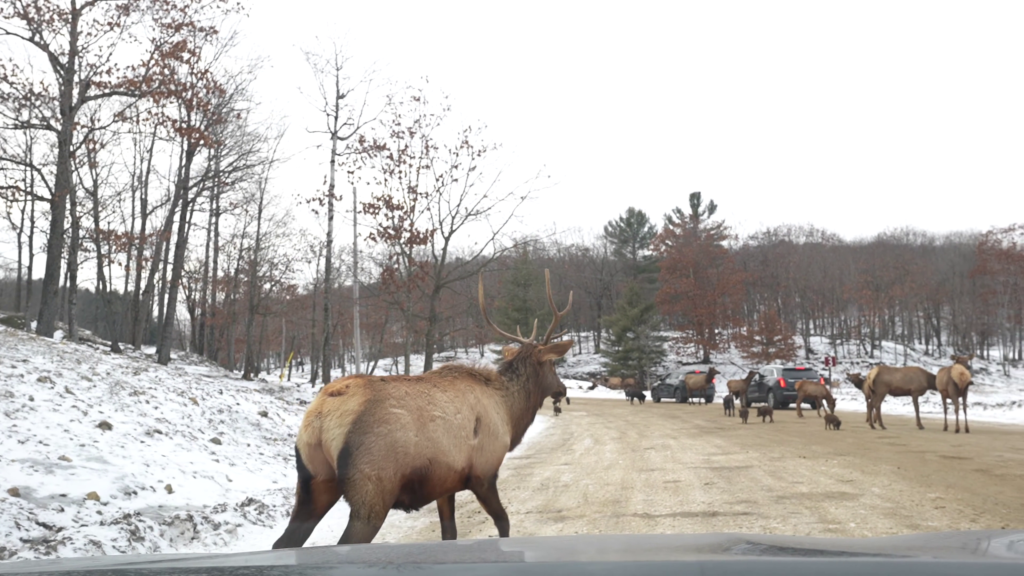
We strongly recommend bringing plenty of carrots. Local visitor experience suggests at least one bag per person. One traveler shared: “I thought two large bags of carrots would be enough, but we ran out in half a day and had to make an emergency grocery store run that evening!” This shows both the appetite and sheer number of animals here—often, after one deer finishes eating, another approaches, and it’s hard to resist their pleading looks.
Besides deer, wolf observation is another major highlight. During the day, regular visitors can safely observe gray wolf packs from the Wolf Observatory in the middle section of the park. This is reportedly the world’s only elevated platform specifically designed for wolf viewing. Staff conduct scheduled feedings and educational talks about wolf behavior: you’ll watch the entire pack sit orderly waiting for food, with the alpha wolf eating first when meat is thrown, followed by the rest in sequence, playfully wrestling while tearing at their food.
Wolf Cabin Accommodations (Facilities, Views & Important Notes)
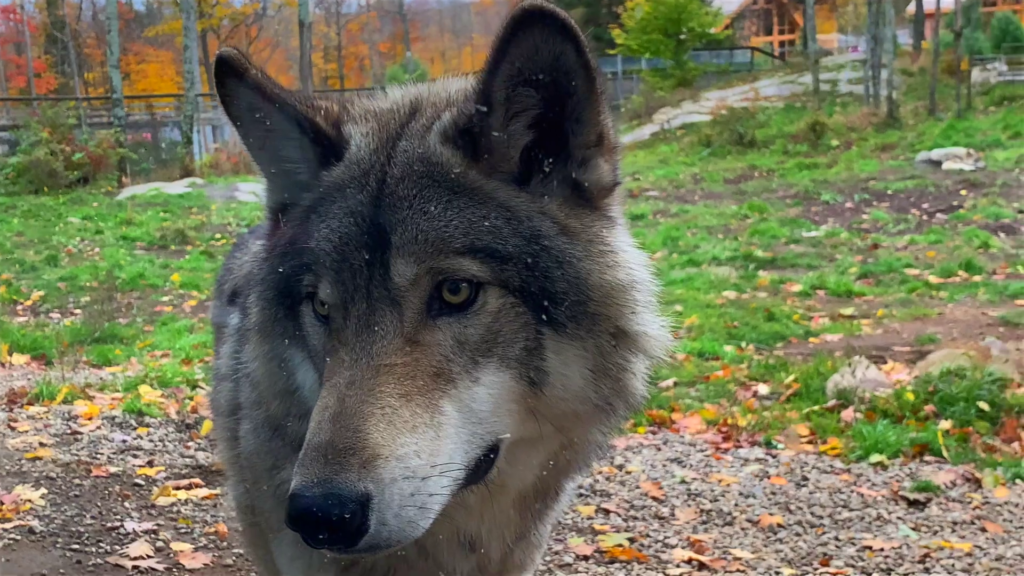
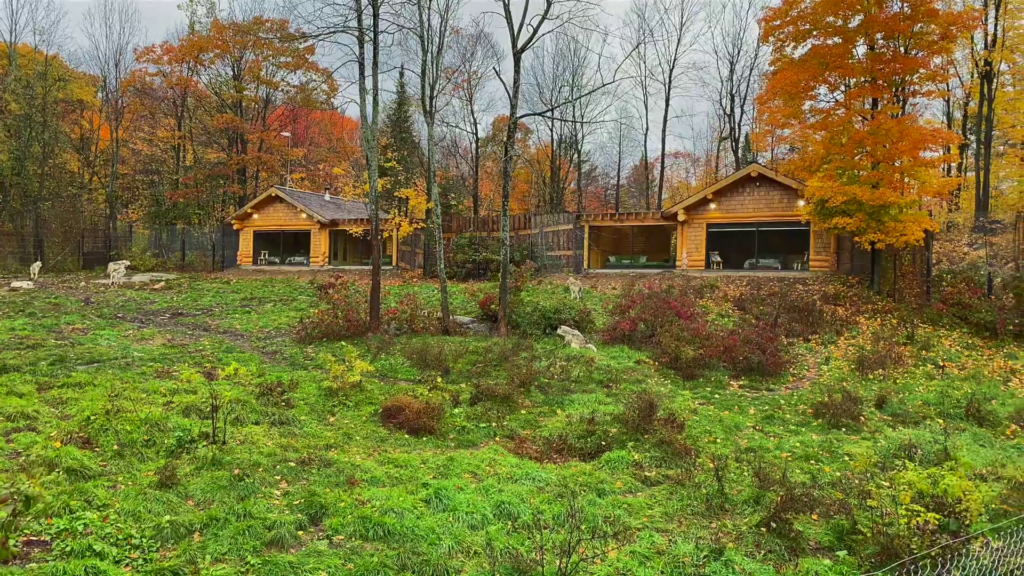
If you want to experience the extraordinary sensation of watching wolves through a single pane of glass, Parc Omega’s unique wolf cabin accommodations are definitely worth booking. The park currently has only 6 wolf cabins distributed on two hilltops flanking wolf enclosures. One enclosure houses 11 gray wolves with 4 smaller cabins nearby (accommodating 2-4 people); the other has 13 gray wolves with 2 larger cabins (the largest can accommodate 8-10+ people).

In other words, the two wolf packs are separated by a long boardwalk, each with their own territory and several guest cabins. Every wolf cabin features floor-to-ceiling window design with massive viewing windows on two sides directly facing wolf activity areas, offering unobstructed observation day and night. Standing inside, wild wolves may prowl just steps away—a proximity that’s both thrilling and completely safe.
What’s Inside a Wolf Cabin?
Many wonder if these wild-adjacent accommodations are comfortable. Actually, Parc Omega’s wolf cabins beautifully combine rustic cabin charm with upscale hotel amenities:
- Rustic log interior with fully equipped facilities
- Depending on cabin type, you’ll have two single beds or two queen beds (some cabins feature loft-style mezzanines as second bedrooms, sleeping 4 people total)
- Living area with comfortable sofas and dining table/chairs
- Full kitchen (with mini-fridge, gas stove, microwave, etc.) for self-catering
- Spacious modern private bathroom with hot shower and amenities

Winter stays are toasty warm: cabins have underfloor heating plus air conditioning/heating systems. There’s also a romantic fireplace/wood stove where you can build your own fire, warming yourself by the flames while watching wolf packs patrol the snowy landscape outside. Many guests (including us) built their first-ever fire here, discovering that kindling isn’t as easy as it looks—you need patience to add small starter sticks before larger logs, and avoid overloading to prevent smothering the flames. This hands-on fire-building experience adds wonderful rustic charm to cold evenings and is one of the wolf cabin stay’s great pleasures!
Views & Interactions:
The wolf cabin’s most captivating feature is obviously the window view. During the day, you can curl up on the sofa and observe wolf pack behavior 360 degrees: sometimes several wolves stroll together through the woods, sometimes curious wolves walk right up to the glass window, tilting their heads to examine the people inside. The alpha wolf, especially, regularly patrols past each cabin to survey territory—he’ll likely appear at your window, “locking eyes” with you for a few seconds before casually moving on.

After dark, if you turn on interior lights, the wolf pack will gather around, curiously peering inside; conversely, turn off the lights and they gradually disperse into the darkness. So guests wanting continuous nighttime wolf observation can leave a small light on, potentially keeping wolves near the window.
Lying in bed gazing through floor-to-ceiling glass, you’ll see countless stars with wolf silhouettes below—as if you’re truly in the Canadian wilderness. In the middle of the night, you’ll experience the unforgettable “wolf howl symphony.” Typically every few hours, one wolf initiates a long howl, then the entire pack joins in chorus, their voices echoing through the silent forest. The first time you hear it, you’ll be simultaneously shocked and excited, unable to resist climbing out of bed to press against the window and listen intently; by the third or fourth time, you might think, “It’s so loud, this might make sleeping difficult.” This is actually an expression of wolf pack social behavior—the park’s informational booklet explains that wolves don’t only howl when in danger; more often, they do it to “confirm all pack members are present,” like a roll call celebration. So you can confidently enjoy the experience, and once you’re used to it, you might even find sleeping with wolf howls particularly romantic!
Important note: Wolf cabins don’t provide Wi-Fi or television. However, most guests happily embrace this opportunity to temporarily disconnect from the digital world and focus on the rare experience of coexisting with wildlife. Bring cards, board games, or books to pass evening hours (some travelers brought games to play with family, spending warm quality time by the fireside).
Also, plan your meals in advance: Wolf cabin stays don’t include dinner or breakfast, and the park has no restaurants open in the evening (only the Park House operates during daytime until afternoon). Since animal watching is so captivating, by the time you realize you’re hungry, local town restaurants may be closed. We recommend preparing simple meals or ingredients beforehand to cook dinner in the cabin’s kitchen.
Finally, wolf cabins are extremely popular and typically require booking 6+ months in advance. According to the official website, nightly rates start around CAD $599 (for 4 people, varying by cabin type and season). While not cheap, this includes two-day Parc Omega admission tickets for check-in and departure days, plus parking and exclusive boardwalk access. Factoring in ticket value, it’s actually quite reasonable. Many past guests say it’s “worth every penny,” and when friends split costs, it feels quite affordable.
Winter-Exclusive Activities (Snowy Landscapes, Christmas Events & Outdoor Campfires)
Visiting Parc Omega in winter offers a completely different atmosphere and experience from other seasons. First, you’re greeted by stunning snowy scenery: the entire wildlife park blanketed in silver-white, deer herds standing in snow, gray wolves weaving through the landscape—everything resembles a dreamlike movie scene.
Many photography enthusiasts prefer winter visits because animal coats are at their thickest and most beautiful, creating striking contrast against white snow backgrounds—every shot looks like a wildlife documentary. Though Canadian winters are cold, Parc Omega’s animals are native species with excellent cold tolerance, remaining energetic and active in the snow, completely undeterred by weather (except hibernating black bears, temporarily invisible in winter—all other animals appear frequently). So you can confidently visit in winter without worrying about seeing animals. In fact, with fewer visitors than summer, the animals are even more relaxed!
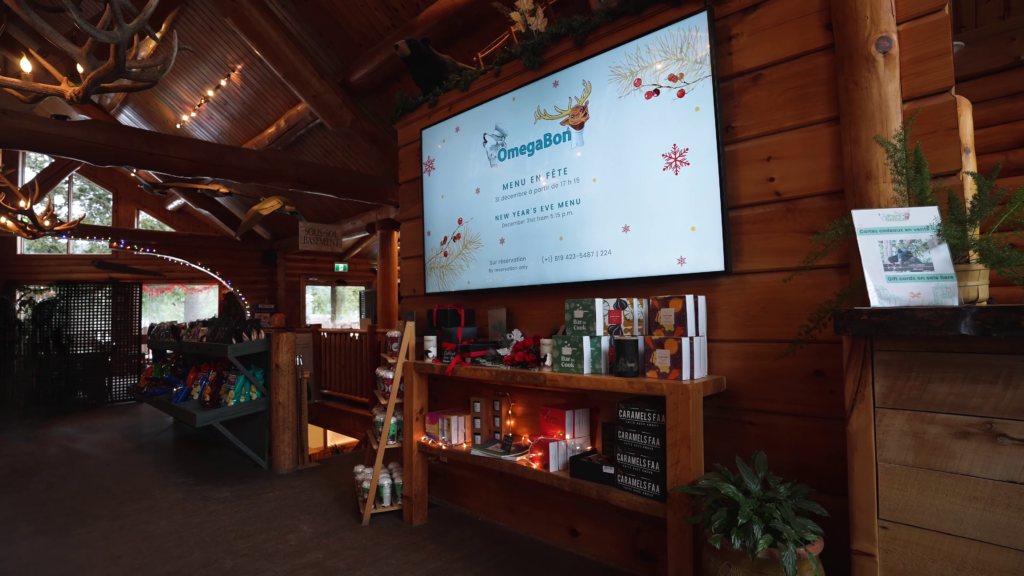
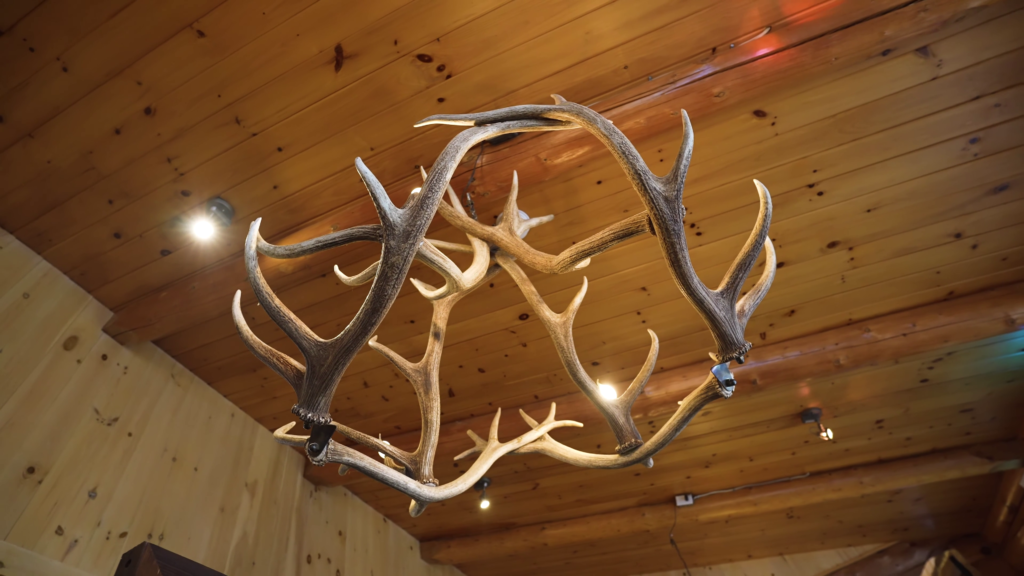
The park offers many festive and seasonal activities during winter. Every December weekend, Santa Claus appears at Park House to welcome children! The entire log restaurant building is decorated with festive Christmas atmosphere, with giant antler chandeliers hanging in the vaulted hall and floor-to-ceiling windows overlooking the snowy landscape. Adults and children alike can interact and photograph with Santa for free, experiencing early holiday warmth at this Canadian wildlife park. Beyond festive characters, the Park House restaurant serves hot chocolate, coffee, and other warm beverages in winter—perfect for warming up after exploring. Sipping hot drinks while watching elk wander through the ice and snow outside creates a wonderfully cozy atmosphere.
Approximately midway along the driving route (marked as area 11 on the park map), you’ll reach a large rest area called the Land of the Pioneers. This is one of the park’s highlight zones, offering multiple experiences: a forest playground surrounded by deer, cabins and ancient sculptures showcasing Quebec pioneering history (like Therrien artist’s work “Enchanting House”), Indigenous-style tipis, and displays about Indigenous culture.
In winter, the Land of the Pioneers features an outdoor campfire area where staff regularly add wood to keep the fire blazing. Visitors can picnic at nearby wooden shelters or, like us, gather around the fire with hot cocoa to warm up, chatting and sharing favorite animals from the journey—quite comfortable. If you have more time, try the park’s winter hiking experience: staff mention that winter forest trails offer snowshoe walks with wild deer leisurely strolling alongside—truly poetic.
Wolf Pack Behavior Observations (Alpha Leadership, Collective Howling & Social Interactions)
Regular zoos rarely allow wolf viewing, but at Parc Omega you can not only see them but potentially gain deep insights into their social behavior. Wolves are pack animals with strict hierarchies and roles. A wolf pack is typically governed by the alpha pair (dominant male and female), usually the largest and healthiest individuals. At Parc Omega, with careful observation, you can easily identify the alpha—shiny coat, commanding presence, often patrolling alone at the front of the group—that’s the pack leader. The alpha wolf regularly circles the entire territory, appearing before various wolf cabins on inspection tours, as if declaring to guests: “This territory is mine!” Every movement is watched by the rest of the pack.
Below the alpha are beta and other ranks, with the lowest-status individual called the omega wolf. Omegas are typically smaller and less imposing, with relatively disheveled, dull coats, often ostracized by other members. Interestingly, when the pack howls in unison, the omega often isn’t allowed to participate. We heard during an explanation: “Every time the entire pack voices long howls, that poor omega can only watch dejectedly from the sidelines, not daring to join.” This cruel yet fascinating hierarchical relationship becomes crystal clear through close observation.
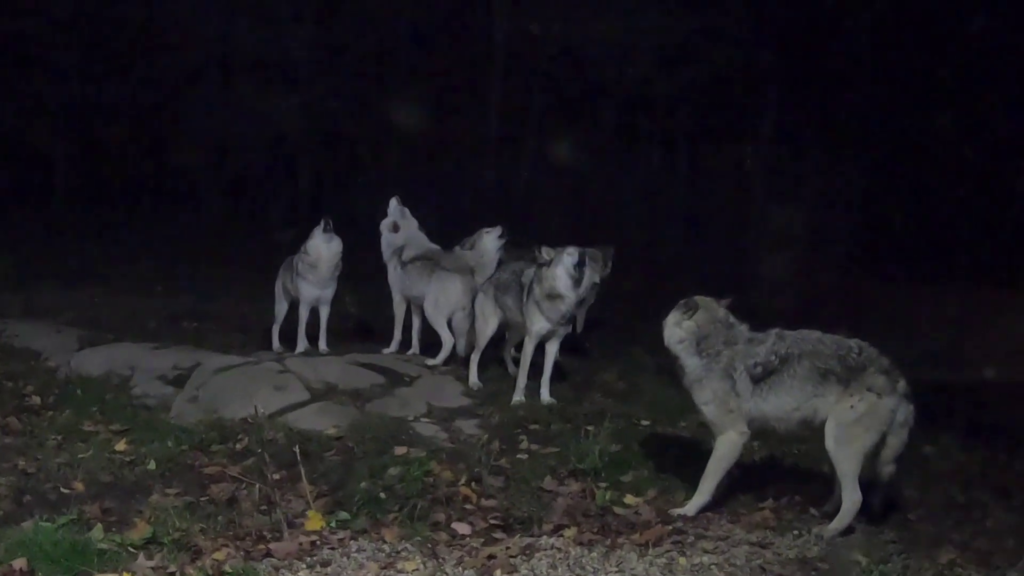
Most unforgettable is witnessing the wolf pack’s collective howling. As mentioned earlier, periodically one wolf initiates a howl and others successively join, creating a stunning chorus. Many assume wolf howling signals danger or territorial assertion, but more often it’s simply social “roll call” among pack members. According to park materials, wolves are highly cohesive animals—every so often when waking, they howl to confirm “everyone’s still here, not missing anyone,” almost like celebrating team completeness. So you’ll periodically hear wolf howls throughout midnight hours, echoing one after another—quite special. Even if awakened from sleep by howling, that moment’s experience is invaluable. Imagine being roused by wild wolf song just meters away—what an irreplicable memory! Many travelers are awakened at 4 AM by wolf howls yet still marvel: “What could be cooler than waking to wolf howls?”
Beyond sounds, you’ll observe rich interactive behaviors among wolves. For example, two young males might chase and bite in the snow, engaged in “mock combat”; several females lounge in a circle, resting and cuddling together. When keepers throw food, the alpha always approaches first to claim the largest portion, with the rest taking scattered food scraps in order. If anyone oversteps, they’re inevitably glared at or even tackled in warning by higher-ranking packmates. All these scenes can be carefully observed from the observatory or your wolf cabin window.
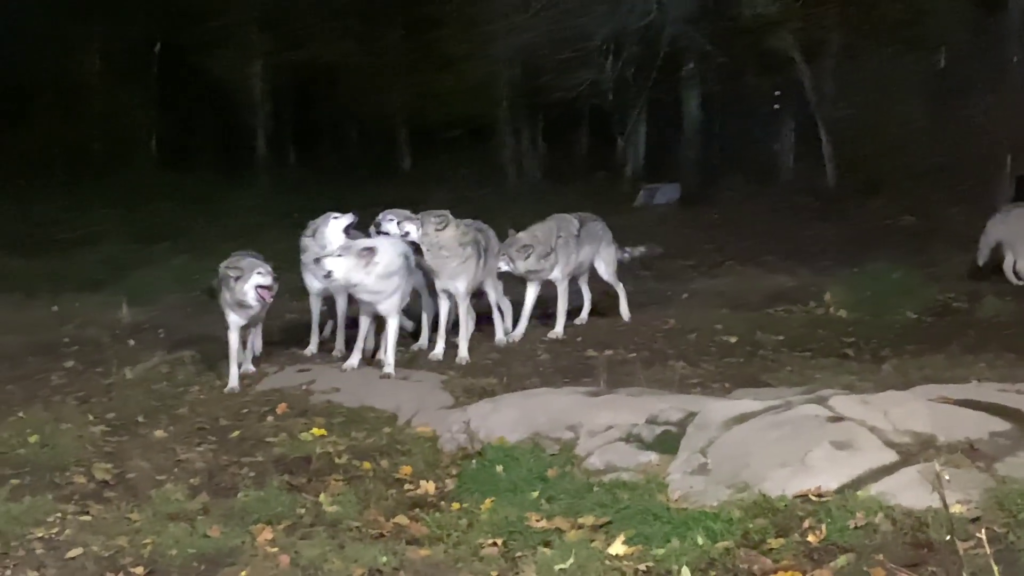
Quick tip: Wild animal behavior is unpredictable—sometimes you might wait long periods with wolves hiding far away in the woods. Like one couple who waited half an hour one morning without wolves approaching, joking: “We spent so much on this wolf cabin—what a loss if we don’t see wolves!” So they rhythmically called from the balcony: “Wolves~ come out~” making fellow guests laugh heartily. We recommend adjusting expectations—wolf observation requires patience and luck. Most times wolves will appear to satisfy you, but if they’re not in the mood, wait quietly or try another time. Don’t bang on glass or make loud noises, as this may backfire.
Exclusive Access Routes & Boardwalk (Guest-Only Elevated Walkway)
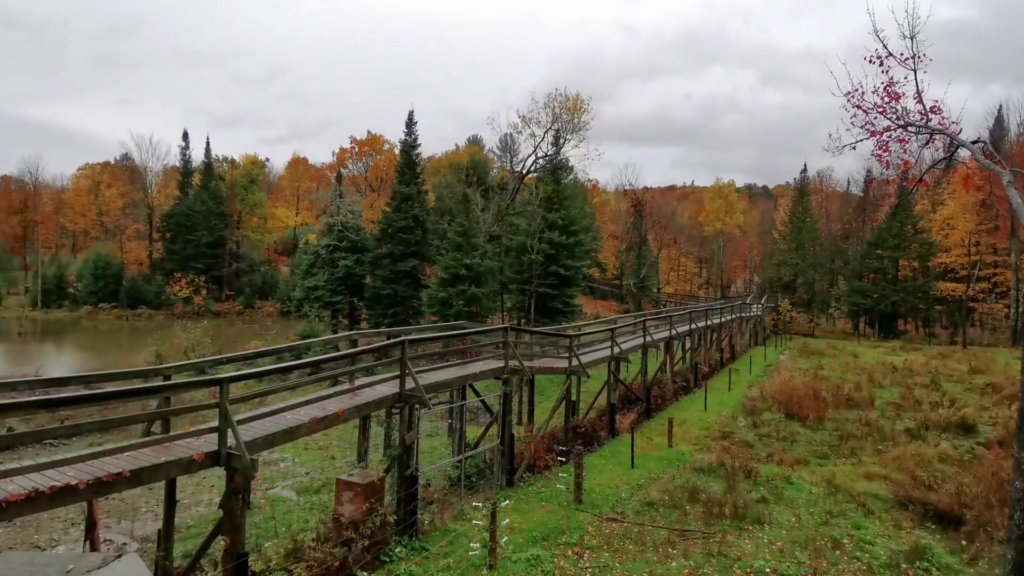
Guests staying in Parc Omega’s accommodation area enjoy a special privilege: the Lodging Boardwalk (Wolf-Bear Boardwalk). This elevated wooden walkway spans between two major wildlife areas and is exclusively open to overnight guests. One side overlooks gray wolf territory, the other connects to the black bear area (bears visible in summer, but hibernating in winter). Guests can freely access this boardwalk with their room key card—during quiet daytime hours, it feels like a private viewing platform, offering different elevated angles to observe wolves.
For photography enthusiasts, the Wolf-Bear Boardwalk is an excellent spot for capturing spectacular shots. With only protective netting rather than glass barriers, you can directly photograph wolves walking through snow from above. With a telephoto lens, you can capture stunning images worthy of Animal Planet documentaries! One photographer shared that she specifically rented professional camera equipment with a 500mm super-telephoto lens, capturing wolves bathed in morning light from the early-morning boardwalk—absolutely thrilling for her.
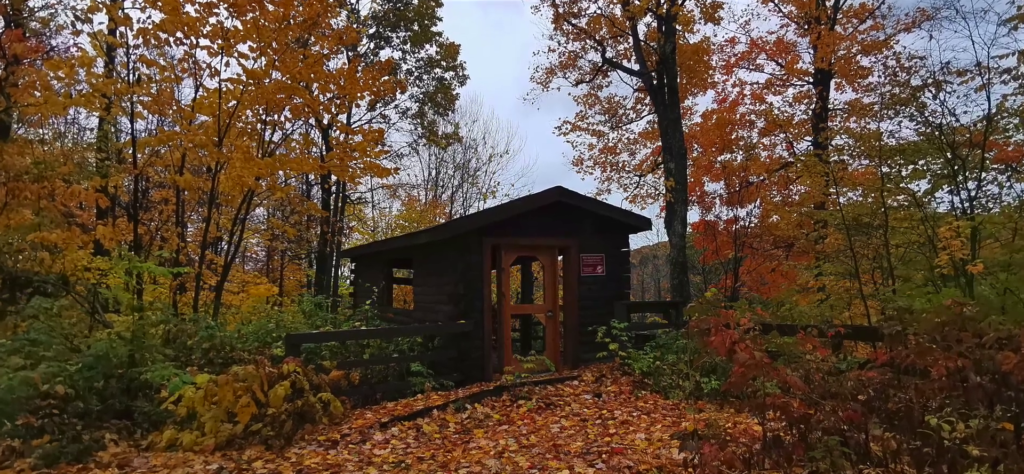
We ourselves rushed straight to the boardwalk after checking into the wolf cabin that afternoon; returned after dark wearing headlamps to experience wolf shadows in the night; and the next morning rose early to climb the boardwalk again to watch the wolf pack illuminated by golden dawn light. You could say this boardwalk allows overnight guests to fully enjoy wolf life from multiple angles throughout the day.
Worth noting: the Wolf-Bear Boardwalk entrance isn’t actually inside the park. It’s located near the accommodation area outside the ticket office and requires swiping your room key card for entry. This means even if you haven’t purchased park admission yet, staying at a wolf cabin still grants boardwalk access for a preview. However, most people spend daytime driving through the park, so we recommend using check-in afternoon or next-morning for boardwalk time when lighting conditions are better and wolves more active. We found that wolves mostly lounge lazily in the evening, but are quite active and energetic running around in cooler morning temperatures, making dawn the optimal viewing time.
In summary, the Wolf-Bear Boardwalk is a major selling point of Parc Omega accommodations and a hidden gem inaccessible to regular visitors. Standing on the elevated wooden bridge with wolf pack silhouettes passing below and silent snowy forest surrounding you, that moment truly creates the illusion of becoming “part of the wolf pack.” No wonder people jokingly call this trip a “Sleeping with Wolves” experience—it absolutely lives up to the name!
🗺️ Comprehensive Park Guide & Transportation Tips
Now that you know the highlights, here’s everything you need to know about Parc Omega, including detailed information and transportation advice to help you plan your visit.
Park Overview: Parc Omega was established in 1991 (with its predecessor wildlife park beginning planning in 1985) and spans over 2,200 acres (approximately 9 square kilometers). It’s located in Montebello, in the Outaouais region of western Quebec, making it incredibly accessible: just 1.5 hours’ drive from Montreal and only 1 hour from Ottawa, Canada’s capital. The park’s address is 399 Route 323 Nord, Montebello, QC. Since there’s no direct public transportation, driving is the primary way to visit. If you’re coming from Toronto, you’ll need to drive approximately 5 hours to Montreal or Ottawa first.
How to Explore the Park: Parc Omega operates as a drive-through safari experience, featuring a 12-kilometer loop road that winds through forests, lakes, and mountains. The route is divided into dozens of zones, and you can pick up a map at the entrance or scan a QR code to download a digital version. Each area is clearly marked with large numbered signs, guiding you through systematically so you won’t miss anything. The road is one-way, single-lane, but quite wide and well-maintained, allowing you to stop or drive slowly to observe wildlife. Even if you stop to feed deer or take photos, other vehicles can easily pass. Everyone here shares the same goal of seeing animals, so drivers are very courteous. If someone wants to pass, simply pull slightly to the right. Driving the entire loop without stops takes about 1.5 hours, but most visitors take much longer as they stop frequently. We recommend allowing 3-4 hours or more for stops, feeding sessions, and exploring. If you’re also planning picnics or attending shows, you could easily spend an entire day here.
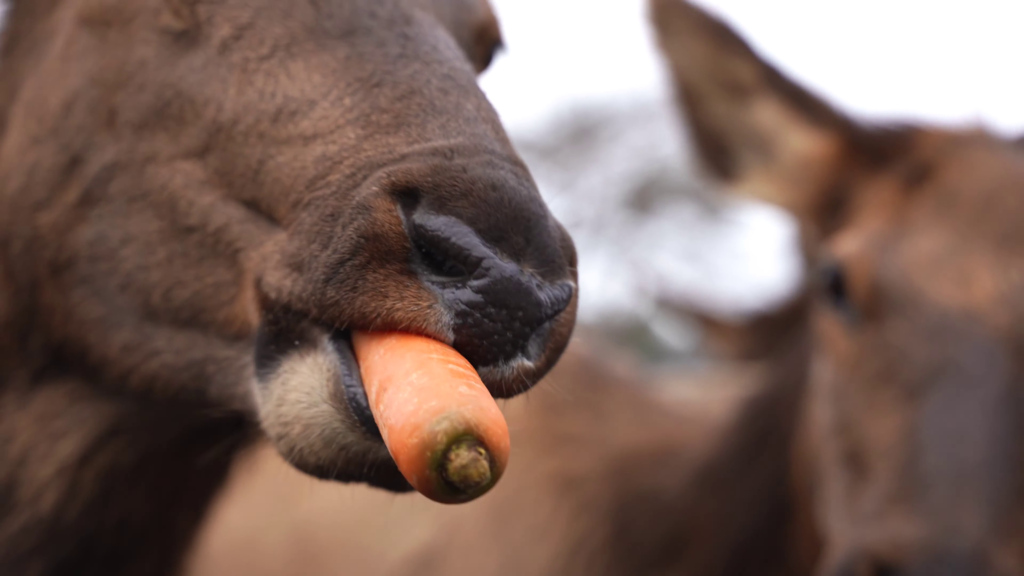
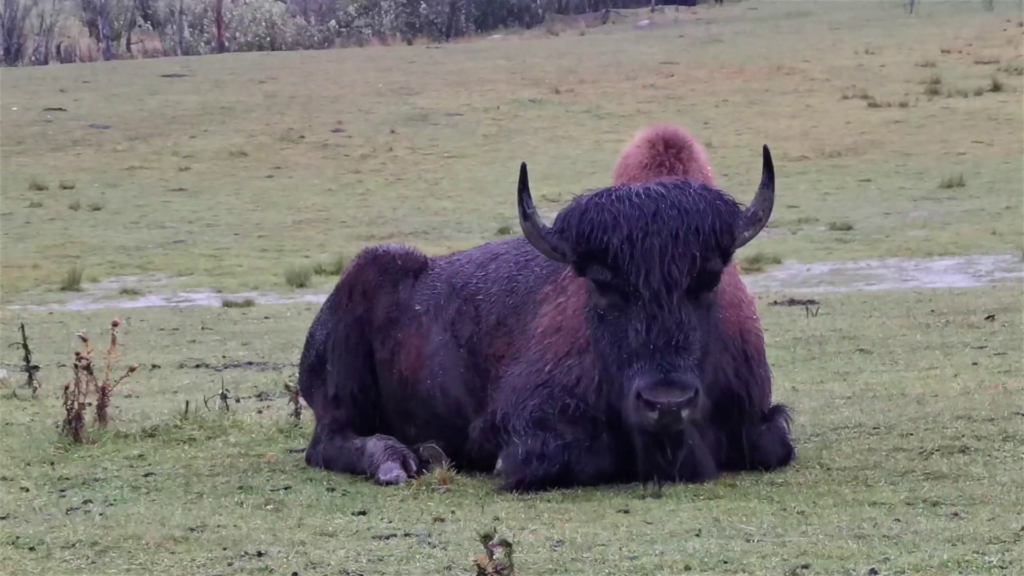
Main Zones & Wildlife: Parc Omega is divided into ecological zones based on different habitats, such as grasslands (home to American bison, elk, wild boar, etc.), forests (deer, wolves, black bears, etc.), and wetlands (moose, waterfowl, etc.). Right after entering, you’ll encounter free-roaming deer that quickly approach your car for carrots. You might then see Canadian elk with their impressive antlers passing by, herds of bison grazing in distant meadows, or wild boar families wandering leisurely with their piglets. Important winter note: The black bear residents hibernate during this season, so you’ll need to visit in summer to see them. However, Parc Omega is home to six packs of gray wolves and Arctic wolves distributed throughout various wolf zones, and they don’t hibernate! Besides the wolves near your cabin accommodation, there’s another wolf viewing area along the driving route (the observation platform mentioned earlier) where regular visitors can stop and watch. You’ll also find Canadian moose, red foxes, Arctic foxes, coyotes, rabbits, wolverines, and other iconic Canadian animals in different zones. The diversity of wildlife here is truly impressive—some visitors say, “I’ve never seen so many different species in one place!”
Special Trails & Facilities: Beyond driving, Parc Omega offers several walking areas where visitors can experience nature more intimately. The most popular is the First Nations Trail, a 1-kilometer forest path lined with 11 colorful totem poles representing 11 Indigenous Canadian nations. Walking through the woods, you’ll appreciate the art while learning about history. Even better, gentle fallow deer and smaller deer species roam freely around the trail, allowing you to walk among them with zero separation! Don’t forget to bring carrots—if you have food in your hands, these adorable deer will follow you, and you can even take selfies with them. Walking through snowy pine forests in winter, surrounded by graceful deer darting about, feels like stepping into a fairy tale. We highly recommend getting out of your car here to experience this unique level of closeness.
Continuing along, you’ll reach the Land of the Pioneers at roughly the halfway point. This area offers even more places to explore on foot, including: the Wolf and Bear Observatory (an elevated wooden platform providing views of both wolf packs and black bear activity areas, with interpretive signs and scheduled feedings), the Pioneer Trading Post (displaying various animal and plant specimens plus pioneering-era tools), log cabin clusters (showcasing early Canadian pioneer life), and the campfire picnic area and petting farm mentioned earlier. Yes, you read that right—there’s a small farm here with friendly donkeys, ponies, and rabbits that children can feed and gently pet, perfect for families. The Land of the Pioneers captivates both adults and children alike. We thought we’d spend half an hour but ended up staying much longer. If time permits, you can also enjoy a picnic here in summer or explore the surrounding forest trails. In winter, as mentioned earlier, there are special activities like snowshoeing and campfires—definitely don’t miss them!
Park Services: Parc Omega provides comprehensive visitor services for long-distance travelers. The Park House at the entrance combines dining and shopping in one impressive log building. The first floor houses a cafeteria-style restaurant (offering sandwiches, hot dogs, soups, desserts, and hot beverages) with beautiful views through large windows. Adjacent to the restaurant is a spacious gift shop where you can buy T-shirts and hats featuring wolves and bears, local maple syrup, stuffed animals, and various merchandise, plus carrots, snacks, and simple food items for your park visit. During the December holidays, this transforms into a Christmas house with Santa Claus himself. Park House also features clean restrooms and a charming children’s play area—perfect for families with kids to take a break. Besides Park House, there’s a snack stand near the Land of the Pioneers (open in summer) and basic restroom facilities. Worth noting: your ticket allows multiple entries on the same day before closing time. If you’re staying nearby, you can exit at noon for lunch or rest in town, then return to the park in the afternoon—very flexible!
Winter Driving Tips: If driving in winter, ensure your car has winter tires or is in good condition. While the park roads are regularly plowed, surfaces can still be slippery during heavy snowfall, so drive carefully and reduce speed. Keep your headlights on for better visibility and maintain a safe distance from other vehicles. Fill up your gas tank before arriving (there’s no gas station in the park) and bring defogger spray or cloths—animal breath will fog up your windows while feeding, and you’ll want to wipe them clear for better views. Dress in warm layers, hats, and gloves for outdoor walking; you can use the car heater, but turn it down and crack the window when feeding animals to prevent excessive fogging. If you don’t have a car or prefer not to drive, consider hiring a car service from Montreal or Ottawa or joining a local tour group (some agencies offer Parc Omega winter day trips). However, driving yourself is absolutely the most flexible and recommended option.
Suggested Itinerary: For a day trip, we recommend arriving early, ideally around the 10 AM opening time. Animals are more active in the morning, and you’ll avoid afternoon crowds for a more intimate experience. If you’re staying overnight (at the wolf cabin or in town), consider entering the park on your first afternoon, staying until closing (5 PM in winter), then dining and sleeping nearby. Return the next morning to explore areas you missed. Since Parc Omega offers different experiences each season and wildlife distribution varies, one visit rarely covers everything. If time allows, an extra day is definitely worthwhile.
💵 Budget Planning & Money-Saving Tips
How much does a visit to Parc Omega cost? What’s the most economical way to enjoy the experience? Here are some budget-friendly tips to help you maximize value without compromising your experience:
Admission Budget: As mentioned, winter adult admission is approximately $30-40 CAD, with a family of four paying around $100-150. Booking online lets you secure your spot and skip the ticket line. Watch for discount codes through travel websites or credit card offers. Since your ticket includes all-day multiple re-entry, plan to spend the entire day to get your money’s worth.
Accommodation Budget: Wolf cabins start at around $600 CAD per night but include capacity for 4 people plus two-day admission tickets, making it quite economical when split. If you’re on a tight budget or can’t book a wolf cabin, consider these alternatives: stay in other park accommodations like the Sleeping in Nature cabins located in the deer area at more affordable prices, or the glass dome “Pods” and yurt-style tents that offer wildlife experiences at lower costs. Alternatively, stay in Montebello town hotels or B&Bs (ranging from budget motels to the upscale Fairmont, $100-$300 depending on season) and purchase day admission. Staying in town plus admission tickets might cost slightly less than the wolf cabin overall, but you’ll miss the unique nighttime wolf-watching experience. Weigh your options based on your budget.
Dining Savings: Park restaurant meals average $15-20 per person (simple meal plus drink). To save money, bring your own lunch and water, using the picnic areas at zero cost. Montebello town also has affordable fast food options (like Subway) you can bring into the park. Our first day, we ate lunch at the Park House restaurant (soup and sandwich for about $15), then cooked dinner ourselves, saving considerably. On our second day leaving, we treated ourselves to croissants and coffee from a local bakery.
Transportation & Gas: If renting a car in Montreal or Ottawa, a one-day rental plus approximately $20 in gas is quite affordable when split among passengers. We recommend traveling with others and sharing one vehicle to split costs (for example, four people in one car might pay only $10-15 per person for transportation). Parking in the park is free. Fill up in town beforehand rather than at highway rest stops for better prices. Coming from Montreal, you might encounter tolls on the highway, so bring cash or an ETC card.
Souvenirs & Other Expenses: The park gift shop offers unique items but at premium prices. T-shirts run about $25-30, stuffed wolf toys around $20. If you’re budget-conscious, shop mindfully: browse the entire store first, then select one or two favorite items as mementos. We gave our child a budget for one small item, and they chose stickers and a fridge magnet—affordable keepsakes. One caution: don’t impulse-buy expensive items like antlers! The First Nations Trail area sells natural deer antlers, but according to one staff member, they can cost CAD $200-300—you can find them cheaper online or at hunting markets. Unless you’re a serious collector, we don’t recommend purchasing high-priced antlers here.
Additional Money-Saving Tricks: Bring plenty of carrots and fruit—the park sells small bags of carrots for several dollars, while a large bag from the supermarket costs the same. Also, if you have a Canadian National Parks annual pass, while Parc Omega isn’t a government park, watch for potential partnership discounts (currently none, but future possibilities exist). Some travel credit card programs might offer ticket or accommodation rewards—take advantage when available.
In summary, here’s an example budget for a family of four: assuming one night in a wolf cabin ($600), admission ($100), gas ($20), meals ($60), and miscellaneous ($20), you’re looking at approximately $800 total, or $200-250 CAD per person for this unique two-day experience. Without the wolf cabin, costs can drop to $90-120 per person. Depending on your budget flexibility, you can adjust accommodation and activities—whether you go luxe or economical, Parc Omega delivers incredible experiences either way!
❓ Frequently Asked Questions (FAQ)
Q1: Is Parc Omega open in winter? Is it worth visiting?
A: Yes, Parc Omega is open year-round, with daily winter hours starting at 10 AM. Winter visits are absolutely worthwhile! Except for hibernating black bears, all other animals like wolves, deer, and foxes are perfectly adapted to cold weather and remain active in the snow. Winter coats are at their most luxurious and beautiful, set against pristine white backgrounds—quintessentially Canadian. Many summer visitors actually recommend returning in winter because photos are especially stunning. Dress warmly, and you can still feed deer, watch wolves, and enjoy winter-exclusive activities like campfires and hot cocoa. Definitely worth it!
Q2: Will I miss seeing bears in winter? What other animals are visible?
A: Black bears do hibernate in winter, so you won’t see them. However, bears aren’t Parc Omega’s only stars! Gray wolves and Arctic wolves are visible year-round and stand out beautifully against the snow. Elk, red deer, fallow deer, and various deer species—the park’s most numerous animals—can be fed carrots all year. You’ll likely see bison walking slowly through snow, red foxes and Arctic foxes emerging from snowy dens, and possibly rabbits in the brush. The only disappointment might be that smaller animals like raccoons and groundhogs are less visible, but most iconic Canadian wildlife is still present—you’ll have plenty to see!
Q3: Can I visit Parc Omega without a car?
A: We strongly recommend driving yourself, as the park is designed for drive-through exploration. If you don’t have a car, consider these alternatives: 1) Hire a taxi or Uber from Montreal or Ottawa and ask the driver to wait while you tour (though this is expensive and drivers may not be willing to wait long); 2) Join a local tour group with transportation and admission included (available from Montreal/Ottawa, but you’ll follow group schedules); 3) Rent a car for maximum flexibility. Without any transportation, visiting is quite difficult as there’s no public transit directly to Parc Omega.
Q4: Can RVs or motorcycles enter the park?
A: RVs are allowed as long as height and width meet road restrictions. Be careful maneuvering larger vehicles to avoid scraping trees, and allow more space for viewing than smaller cars. Motorcycles are NOT permitted for safety reasons—wild animals might perceive them as threats or prey, and riders lack protection. Use enclosed vehicles instead. Also, convertibles that can’t close their tops/windows are not recommended, as animals could jump inside.
Q5: Can I exit my vehicle for a picnic in the park?
A: Yes, but only in designated areas. The Land of the Pioneers midway through offers picnic tables, shelters, and campfire pits where you can park, enjoy food, and warm up by the fire—very pleasant. The Park House entrance also has indoor restaurant seating. Remember: outside these safe zones, don’t exit your vehicle randomly for picnics to avoid danger. After picnicking, take trash with you or use wildlife-proof bins, leaving no food remnants.
Q6: What food should I bring to feed animals? Can I buy it in the park?
A: Carrots are the top choice! Park rules allow only natural vegetables and fruits, with carrots being the best option and officially recommended. Bring a large bag (you’ll need plenty—park animals have healthy appetites), or purchase pre-packaged small bags at the entrance gift shop (though pricier). Apples also work for animals like wild boar. Never feed chocolate, chips, or human snacks, and don’t throw meat to carnivores. Follow feeding guidelines to protect their health. Bottom line: stock up on carrots and you’re set—the deer will thank you!
Q7: Is Parc Omega suitable for children? What family-friendly facilities are available?
A: Absolutely perfect for families! Parc Omega is a paradise for kids. First, the drive-through format lets children excitedly watch animals from the car without long walks—they’ll love feeding deer and counting animals. There’s also a mini farm (petting small animals), forest playground (swings and slides uniquely surrounded by deer), and an indoor children’s play area (in Park House restaurant corner). In winter, kids can experience outdoor campfires and roast marshmallows. The park’s flat roads accommodate car seats safely and conveniently. Just supervise children during feeding—don’t let them stick entire arms out the window near large animals. In winter, icy ground means kids might slip while walking, so hold their hands. With proper care, children will have an unforgettable wildlife adventure!
Q8: Can I camp overnight in the park?
A: Self-pitched tent camping is not allowed. However, Parc Omega offers various official overnight options: besides the famous wolf cabins, there are “Sleeping with Animals” area cabins (near deer paddocks), lakeside transparent bubble domes (summer/fall seasons), and fixed yurt tents. All must be booked through the official website in designated areas with safety guarantees. If you bring camping gear, consider staying at nearby provincial park campgrounds (like Plaisance National Park, which offers summer camping sites not far away) and visiting Parc Omega during the day. Never camp overnight in non-designated Parc Omega areas to avoid legal issues and danger.
Q9: How do I book a Parc Omega wolf cabin? What should I note?
A: Book wolf cabins through the Parc Omega official website accommodation page. Due to limited availability, reserve your preferred dates several months in advance when bookings open. Once you select dates and room type, follow website instructions to pay and confirm. Payment usually requires a credit card, with partial deposit or full payment. Save your confirmation email carefully. Note the wolf cabin cancellation policy: canceling 4+ days before incurs a 25% fee; within 4 days requires 100% payment. If the website shows sold out, check daily—many people cancel, and you might catch a last-minute opening for dates one or two weeks out.
Q10: Is staying in a wolf cabin actually safe? Could it be dangerous?
A: Extremely safe! Wolf cabin design has been rigorously tested: the floor-to-ceiling window is actually several centimeters of reinforced glass that wolves cannot break; the cabin is also surrounded by a second layer of metal fencing, so wolves can’t directly approach the glass. The accommodation area has staff and surveillance monitoring to ensure absolute safety. There have been zero wolf injury incidents to date. During the day, you can confidently let children stand by the window watching wolves (official photos show families with babies sitting by the window observing wolf packs). Of course, this assumes you don’t open doors or windows to touch wolves—that’s outside safety guarantees 😄. Follow the rules, and staying at the wolf cabin while listening to howls is actually safer than crossing a city street. Enjoy this unique experience with peace of mind!
Q11: Are Parc Omega and Omega Park the same place?
A: Sometimes people abbreviate Parc Omega as Omega Park—yes, they’re the same place. “Parc” means “park” in French, so Parc Omega = Omega Park. Due to Quebec’s French-speaking region, the official name uses Parc Omega. However, English materials or other regions might call it Omega Park, Omega Wildlife Park, etc. Don’t be confused—this is the famous wildlife park in Montebello where you can drive through and see Canadian animals.
Q12: Is summer good for visiting Parc Omega? How does it compare to winter?
A: Parc Omega offers unique charms in all seasons, with summer and winter each having advantages—neither is definitively better. Summer (June-August) features lush vegetation, abundant animal food, visible black bears, and opportunities for outdoor picnics and hiking; the downside is animals may laze in shade during heat, and fur appears sparse during molting season compared to winter’s luxurious coats. Winter offers snowy scenery and thick fur advantages mentioned earlier, with particularly active wolves; the downside is cold weather requiring extra layers. However, roads are plowed and don’t affect visits. Fall (September-October) paints forests with red maple leaves—stunning backgrounds—and elk engage in rutting battles during breeding season. Spring (April-May) brings new life with potential fawn and young animal births—incredibly cute.
Overall, every season has highlights. If I had to recommend one, I personally love winter for optimal animal conditions and unique activities. But honestly, Parc Omega won’t disappoint whenever you visit!
Hopefully this FAQ answers most of your Parc Omega questions. Experience these northern beasts up close in the most intimate way—it will absolutely be one of your most unforgettable Canadian travel memories!
🔗 Official Information & Resources
- Buy Your Tickets | Parc Oméga – Official ticketing website
- Book Our Accommodations | Parc Omega – Official accommodation booking website
📝 Final Thoughts: An Unforgettable Encounter with Wild Canada
Parc Omega is more than just a zoo—it’s a place where you can deeply experience the wild spirit of Canada. From enthusiastic deer herds to mysterious wolf howls, every moment is filled with wonder. The wolf cabin experience in particular allows you to connect with these northern beasts in the most intimate way possible, creating what will surely be one of your most unforgettable Canadian travel memories.
Are you ready to embark on this wild adventure and dance with wolves? If this guide has been helpful, don’t forget to share it with friends planning to visit Canada! 🐺🦌❄️