
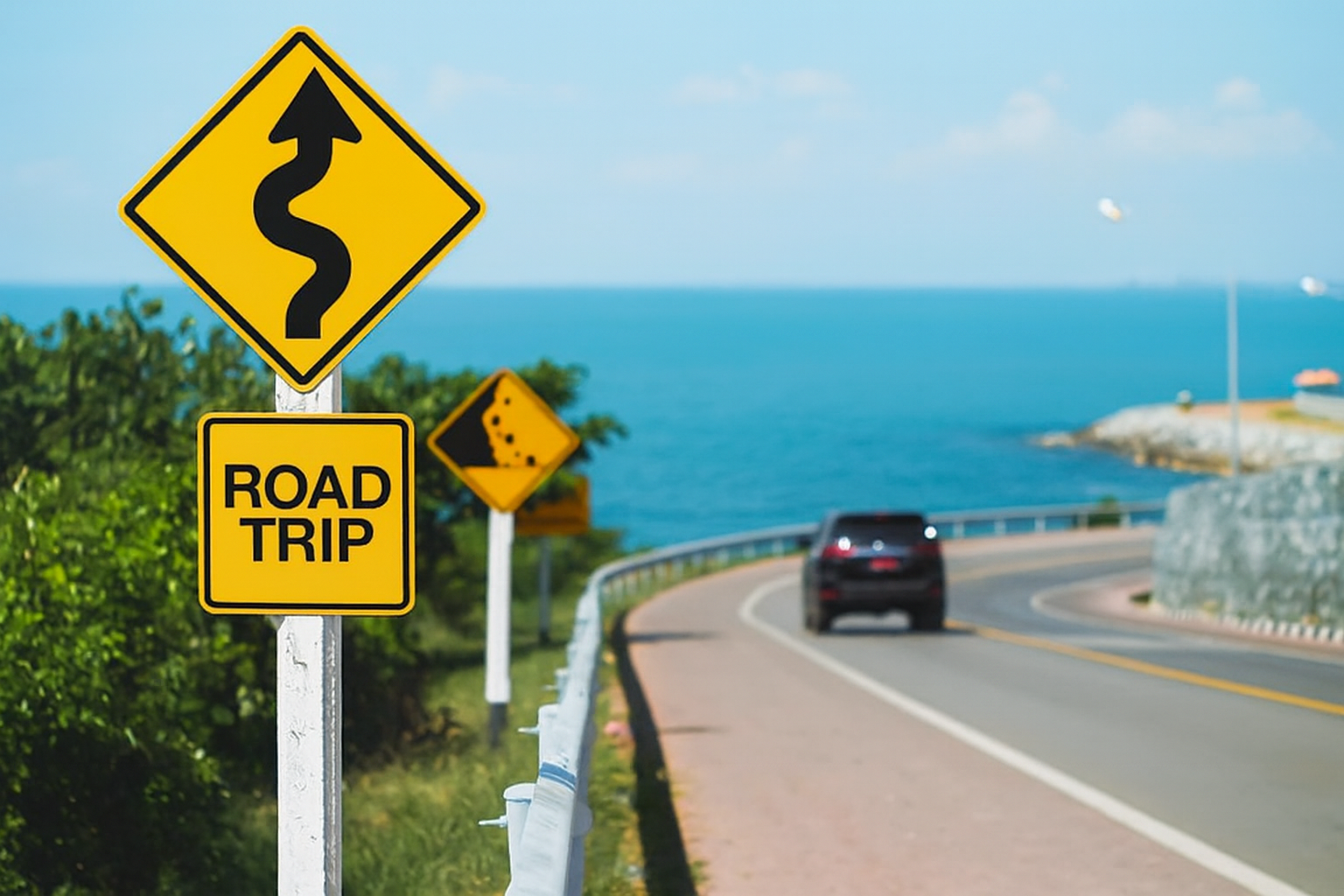
Hey there! Are you like me—absolutely in love with that sense of freedom you get from a road trip?
No rushing to catch trains, no stressing over flight times—just stop when you want, go when you’re ready. That’s what makes road trips so magical! But honestly, my first long-distance drive was a disaster—my car nearly broke down, my GPS lost signal and I got completely lost, and I was so exhausted I could barely keep my eyes open… These painful lessons taught me so much.
After countless long-distance drives across the country, I’ve put together this comprehensive road trip guide. From pre-trip preparations to road safety and solo travel tips—I’m sharing everything! Whether this is your first long-distance drive or you’re a seasoned road warrior, you’ll find something helpful here.
Ready? Let’s hit the road! 🚗💨
Table of Contents
🚗 Pre-Trip Preparation: Essential Steps Before You Go
Vehicle Inspection Is Non-Negotiable
This is absolutely critical! Trust me, you do NOT want to break down in the middle of nowhere. During one of my cross-country trips, I met a traveler whose car broke down in a remote area—the nearest repair shop was over 50 miles away. This harsh lesson taught me that at least one week before departure, you need to check:
Basic Inspection Items:
- Engine Oil: Confirm adequate levels and normal color (shouldn’t be dark black). When was it last changed?
- Tires: Check tire pressure, tread depth, and any cracks (including the spare!). All four tires should meet manufacturer’s recommended pressure
- Brake System: Brake fluid and brake pad thickness must be sufficient—long-distance driving puts enormous strain on brakes
- Cooling System: Radiator fluid and coolant reservoir levels should be normal
- Windshield Wipers: Condition of wiper blades and washer fluid levels (summer brings tons of bug splatter!)
- Lights: Test all headlights, turn signals, and brake lights—lighting is your lifeline in bad weather or at night
- Battery: If your battery is over 3 years old, consider replacing it preventatively
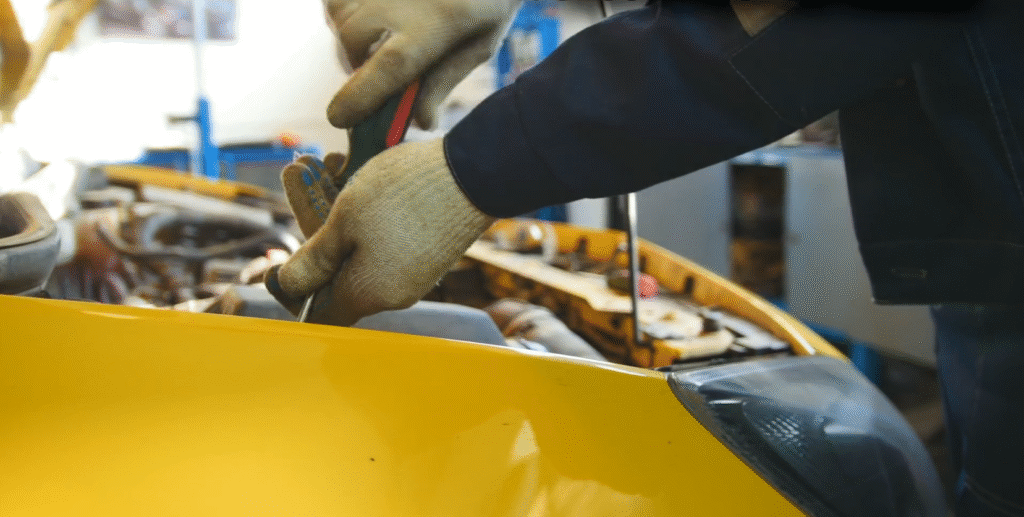
💡 Pro Tip: If you’re unsure how to check these items, take your car to a mechanic and say: “I’m going on a long road trip—please do a comprehensive inspection.” Even if you spend $50 and the mechanic tells you “everything’s fine,” that money is absolutely worth it. It’s the cheapest insurance compared to breaking down in the middle of nowhere!
Choosing the Right Vehicle Matters
Different routes require different vehicles:
- Mainly Highways: A regular sedan is perfectly fine—fuel-efficient and comfortable
- Mountain or Dirt Roads: Consider an SUV or vehicle with higher ground clearance
- Off-Road Routes: Four-wheel drive is essential
If your car is getting old or frequently has issues, I strongly recommend renting. Rental cars are regularly maintained, and if something breaks, it’s not your headache (ha!).
Join a Roadside Assistance Service
AAA (American Automobile Association) membership costs about $130 annually. Sounds pricey, but a single tow can exceed that amount. AAA includes:
✅ Towing service (typically free for several miles)
✅ Dead battery jump-start
✅ Lockout service when keys are locked inside
✅ Flat tire change
✅ Emergency fuel delivery
✅ Hotel discounts (many chains offer AAA member deals)
💰 Value Analysis: A single tow can easily exceed $150. AAA annual membership is $130—use it once and you’ve broken even!
🇨🇦 Canadian Recommendation: CAA (Canadian Automobile Association)
If you’re road-tripping in Canada’s East Coast region, I highly recommend joining CAA Atlantic roadside assistance!
💡 Why I Recommend CAA:
- Coverage across all of Canada, extending into the United States
- 24/7 roadside assistance
- Member-exclusive discounts (hotels, restaurants, attraction tickets)
- Complimentary travel planning services
🎁 Special Offer!
I’m a CAA member myself and genuinely think it’s excellent value! If you’d like to join, you can use my referral:
👉 Referral Link: https://atlantic.caa.ca/
📝 My Member Number: 6202822112853007
🎟️ Promo Code: GTG
How to Use My Referral to Join:
Method One: Online Application
- Click the referral link above
- Or visit CAA Atlantic (atlantic.caa.ca) directly
- Enter my member number (
6202822112853007) and promo code GTG when filling out your information - Complete the application to enjoy member benefits
Method Two: Phone
- Call customer service: 1-800-561-8807
- Provide my member number (
6202822112853007) and promo code (GTG)
Using a referral code often means you’ll receive additional perks or gifts (CAA frequently runs referral reward campaigns)!
Prepare Backup Tools and Emergency Supplies
Essential Car Checklist:
🔧 Repair Tools
- Spare tire + jack + wrench (and know how to use them! YouTube has tons of tutorials if you don’t)
- Tire sealant: Products like Fix-A-Flat for emergency situations
- Portable tire inflator: Plugs into your cigarette lighter—super convenient
- Jumper cables (for dead batteries—you can help yourself or others)
🚨 Safety Items
- Flashlight or headlamp: I prefer headlamps because they keep your hands free
- First aid kit (bandages, gauze, alcohol wipes, pain relievers, etc.)
- Reflective vest: Lifesaving if you need to deal with roadside issues
- Fire extinguisher (automotive grade, compact and easy to store)
🛡️ Self-Defense Tools (especially for solo female travelers)
- Pepper spray, personal alarm
- Multi-tool (for cutting, opening cans, repairs)
🗺️ Route Planning & Navigation: Plan Smart, Never Get Lost
Smart Route Planning (But Don’t Over-Plan!)
This is a delicate balance. You need basic planning, but also flexibility.
Must Plan in Advance:
- Nightly accommodations (must book during peak season!)
- General dining locations (at least know which towns have restaurants)
- Major attractions and estimated time spent
- Total driving time (remember to add 20% buffer time)
Don’t Plan Too Rigidly: Avoid schedules like “11:34 lunch, 1:15 PM arrive at attraction A.” The essence of road trips is freedom! If you spot an interesting roadside shop or beautiful scenery, stop and enjoy it!
💡 My Advice: If Google says 2 hours, budget 4 hours. This gives you time to stop for coffee, take photos, or explore unexpected hidden gems.
Essential Planning Components:
- Accommodations: Must book in advance! Especially during peak season or in popular areas—last-minute searches might leave you sleeping in your car
- General Route: Use Google Maps to plan your main route, adding 20% buffer time
- Dining Areas: You don’t need specific restaurants, but know which towns have food options
GPS + Paper Maps: Double Insurance
Everyone uses Google Maps now, but did you know? Google Maps works offline!
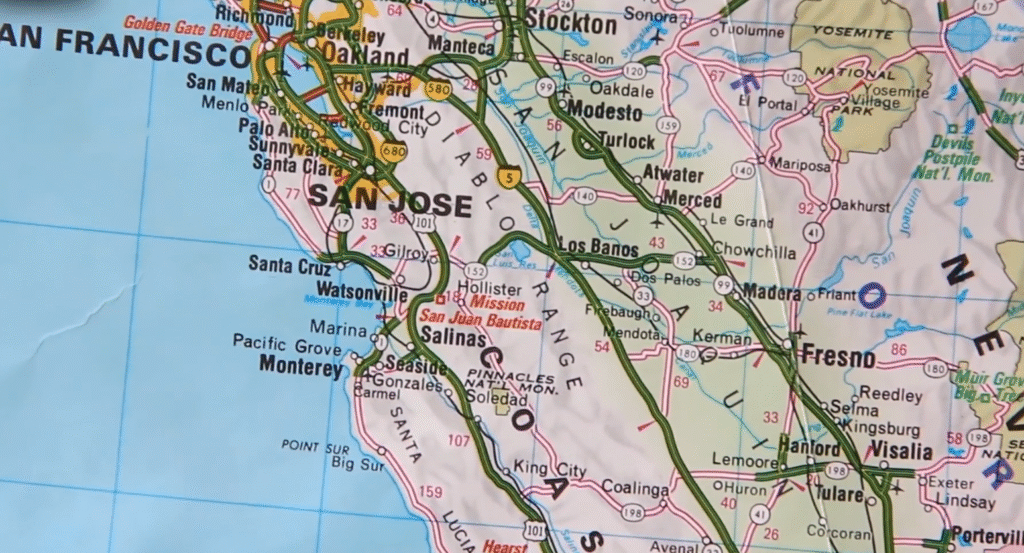
Super Useful Technique:
- Before departing, enter your destination in Google Maps
- Select “Start Navigation”
- As long as you don’t close the app, navigation continues even without signal
- You won’t have real-time traffic, but at least you won’t get lost
Still, I recommend having paper maps or at least printouts because:
- Phones can die, fall in water, or get stolen
- Remote areas may have absolutely no signal
- Spreading out a big map makes it easier to discover interesting alternative routes
📱 Quick Tip: In Google Maps settings, select “Avoid tolls” to save considerable toll fees. Some toll systems mail bills to your home—fail to pay and penalties double, which is super annoying.
Phone Mount Is Absolutely Necessary
If you’re still holding your phone while driving to check navigation, please get a phone mount ASAP!
Cheap ones cost just a few dollars, while premium options like Proclip (vehicle-specific) are more stable. Your safety and life are worth more than that, right?
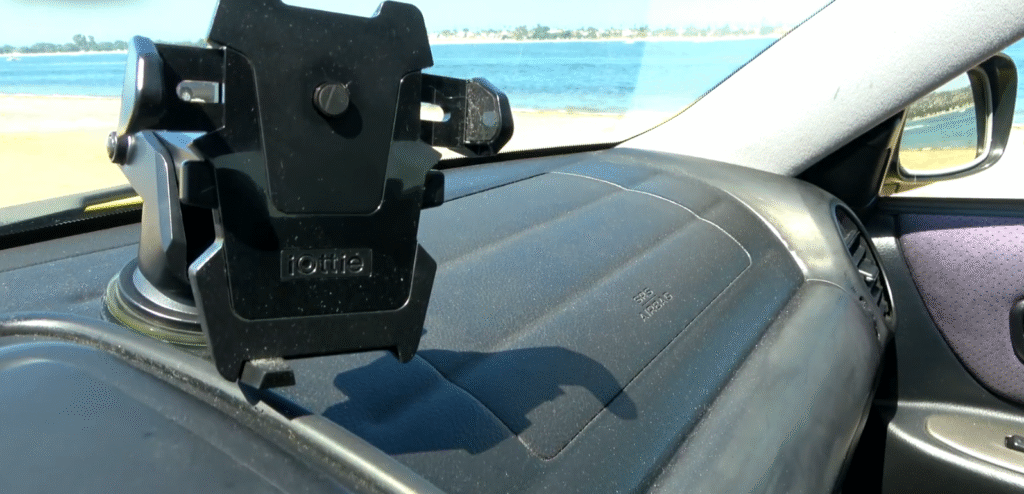
A sturdy phone mount keeps your device at eye level, making navigation easy to check while significantly improving safety—never hold your phone while navigating, that’s incredibly dangerous.
💧 Stay in Peak Condition: Don’t Burn Yourself Out
Hydration Is Critical!
I really need to emphasize this because during my first long drive, I was so dehydrated I nearly collapsed. I completely didn’t anticipate how much sitting in a car would dehydrate me.
This might be the most surprising advice in this article, yet it’s among the most important from my personal experience! During my first long-distance drive, I had no idea I’d become so thirsty. Sitting in the car, though not exercising vigorously, the air conditioning, driving stress, and maintaining the same position for extended periods all dehydrate your body much faster than usual.
My Complete Hydration Strategy:
📍 Before Departure: Drink an electrolyte beverage (I love Body Armor, but Gatorade or Powerade work too—32 oz)
📍 On the Road: Bring at least one gallon (about 3.8 liters) of water
📍 Insulated Tumbler: Convenient for cold or hot drinks. I use a Tervis tumbler (the yellow one—easy to spot!) that keeps ice for hours
For some reason, long-distance driving really does dehydrate you more than expected. Remember to drink water frequently, but don’t overdo it or you’ll constantly need bathroom breaks (ha!).
📸 Real Experience: I remember driving from California to Nevada once with almost no rest stops along the way. The car’s interior exceeded 95°F (35°C), and I drank half a gallon of water in 4 hours. Without that preparation, it would have been unbearable.
Combat Drowsy Driving: This Can Be Fatal
Critical Point: Drowsy driving is as dangerous as drunk driving.
According to the National Highway Traffic Safety Administration, drowsy driving causes over 100,000 crashes annually. Every 30 seconds, there’s a drowsy driving-related accident. This is no joke.
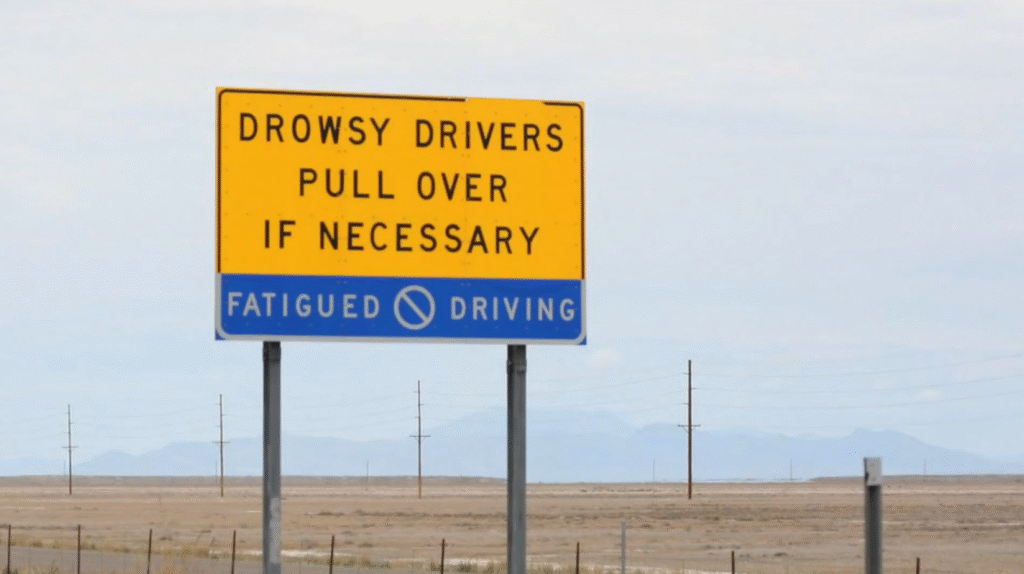
My Anti-Fatigue Strategy:
1️⃣ Drive During Daylight: After sunset, fatigue multiplies. Plus, staring at those white lines in darkness is incredibly hypnotic.
2️⃣ Start Early: Though I’m a night owl, for road trips I force myself to wake early. Departing at 9 AM avoids rush hour traffic and gets you to your destination before dark.
3️⃣ Set an 8-Hour Limit: Beyond 8 hours, I start hitting the wall. Better to split into two days than push through. Experience shows that driving over 8 hours in a single day brings serious fatigue.
4️⃣ Know Your Fatigue Signals: A trucker friend told me that when he starts biting his nails, he knows within 10 minutes he must stop to rest or he’ll fall asleep. Find your own warning signs.
If You’re Really Tired:
- Don’t think “only 45 minutes left, I can push through”
- Immediately find a place to stop and rest
- Walmart parking lots, rest areas all work
- A 20-30 minute nap is more effective than coffee
🚨 Fatal Warning Signs: If you experience any of these symptoms, STOP IMMEDIATELY—blurred vision, frequent blinking, yawning, scattered thoughts, drifting from your lane, forgetting the road you just passed. These are severe warnings from your body!
Walmart Overnight Tips
A secret many road trippers don’t know: Most Walmarts allow free overnight parking!
In the US and Canada, many 24-hour Walmarts welcome travelers to overnight for free because the founder loved RV travel. This is a godsend for long-distance drivers!
Usage Guide:
- Confirm First: Call ahead to ask if that location allows overnight parking (about 90-95% do)
- Park Correctly: Usually there’s a designated area, often near the garden center
- Safety First: Park near other vehicles, RVs, in well-lit areas
- Keep Low Profile: Don’t set up tents or chairs—just sleep quietly in your car
- Be Courteous: If possible, go in and buy something to support the store
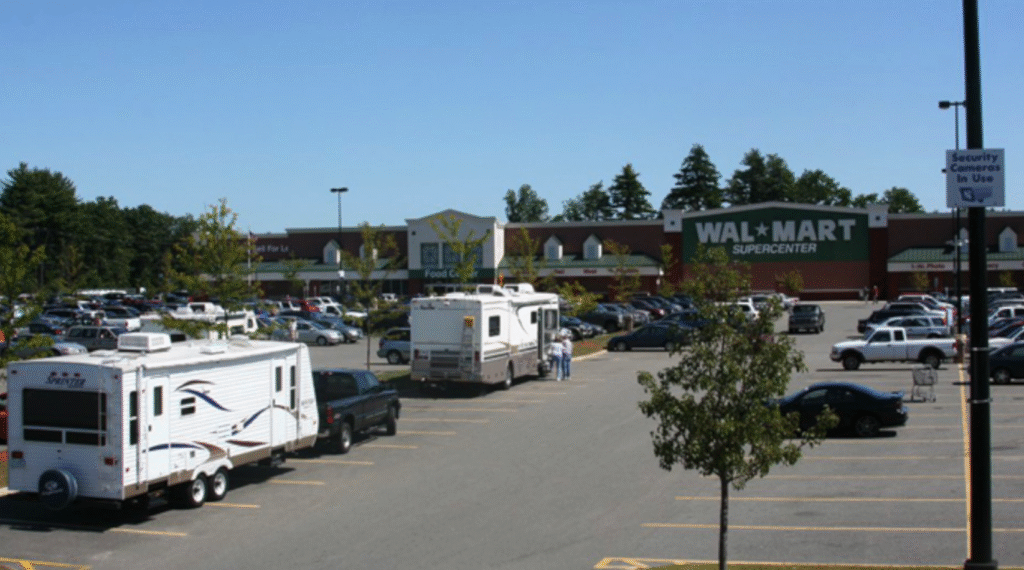
Parking Spot Selection:
- Designated Areas: Some Walmarts specify overnight parking zones, typically near garden centers or parking lot edges
- Group Parking: This is key for safety! If you see other RVs or campers, park near them. “Safety in numbers”
- Avoid Isolation: Never park alone in remote corners away from other vehicles
I’ve stayed overnight at Walmart many times and never had issues. Plus, having access to bathrooms and stores at night is super convenient!
💡 Real Experience: My first Walmart overnight I was nervous, but seeing a dozen RVs and campers in the lot instantly reassured me. Some “regulars” even set up camp chairs and grills, treating the parking lot like a temporary campground. The atmosphere was actually quite friendly!
Regular Breaks and Stretching
Take a break every 2 hours!
Get out and:
- Walk around
- Stretch your back and legs
- Take deep breaths
- Use the restroom
- Rehydrate
This isn’t just about comfort—it’s about safety. Prolonged sitting causes:
- Poor blood circulation
- Decreased attention span
- Slower reaction times
- Increased fatigue
Whether you feel tired or not, regular breaks are preventative. Getting out and moving promotes blood circulation, relaxes stiff muscles, and is crucial for long-distance driving health.
🍔 Food & Supplies: Eat Well to Drive Well
Bring a Cooler and Prepare Snacks
A cooler is incredibly useful! Fill it with ice at your hotel each night, and the next day you’ll have cold drinks and fresh food.
What’s Usually in My Cooler:
- Water, sparkling water, sports drinks
- Fruit (apples, bananas, grapes)
- Yogurt
- Cheese
- Sandwich ingredients
Road Snack Suggestions:
- Protein bars, energy bars
- Nuts
- Beef jerky
- Chips, crackers
- Chocolate (as a treat!)
This saves considerable meal costs, and you can eat whenever hunger strikes. Much healthier than constant fast food.
Using your cooler, buy ingredients at supermarkets: bread, deli meat, salad vegetables, fruit, yogurt, milk—you can assemble sandwiches or simple meals anytime.
Huel Meal Replacement Powder (Seriously Recommended)
I never considered this, but after trying it, I find it incredibly convenient!
Huel is Powdered Nutrition:
- Just add water and shake
- 400 calories per serving, nutritionally balanced
- No refrigeration or heating needed
- Can consume while driving
When you don’t want to stop for restaurants on the highway, or when hunger strikes late at night, this is a lifesaver! I now bring it on every trip.
Why I Recommend It:
- No Stopping Required: When hungry, just add water, shake, and drink while driving—no time lost
- Healthier Than Fast Food: McDonald’s meals are getting increasingly expensive (nearly restaurant prices) with low nutritional value
- No Refrigeration Needed: Powder form, stores at room temperature
(Though the taste is… don’t expect too much, but the convenience is unbeatable)
🍎 Health Tip: Long hours of sedentary driving slows metabolism. Eat more fruits and vegetables, less fried food—you’ll feel better and stay more alert.
⛽ Fueling & Vehicle Maintenance: Don’t Wait Until Empty
Fueling Strategy: Don’t Wait Until Nearly Empty
My fueling principle: Once the gauge hits double digits (below 99 miles), find the next gas station.
Why?
- Gas stations in remote areas can be over 50 miles apart
- Not every stretch has clear gas station signage
- If you encounter unexpected situations (traffic jams, getting lost), you’ll need that extra fuel
I once had 40 miles left, and the gas stations were farther apart than expected—that anxiety was truly uncomfortable.
In sparsely populated areas, gas stations can be hundreds of miles apart—roadside warning signs are common and missing one could spell trouble.
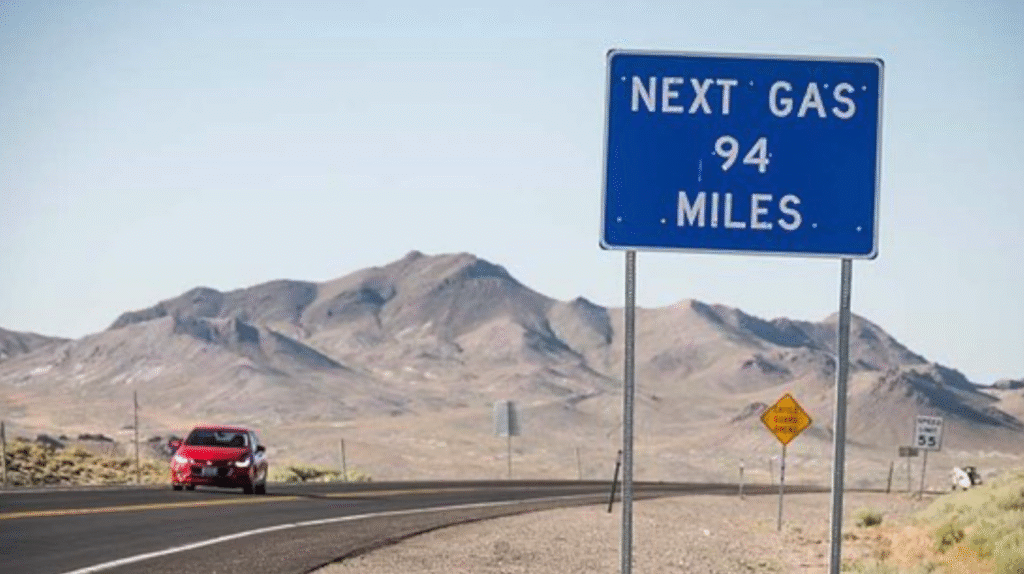
Fuel-Saving Tips:
- Use cruise control: Can save 10-15% fuel, plus driving is more relaxed
- Avoid hard acceleration and braking
- Close windows and run A/C on highways (open windows create more drag and use more fuel)
- Check tire pressure regularly (under-inflated tires waste fuel)
💰 Calculate Fuel Costs: Before departing, Google “gas calculator,” enter your vehicle model and distance to estimate fuel expenses.
Download apps like GasBuddy to check nearby gas prices anytime and find the best deals.
Frequent Fueling and Bathroom Breaks
Rule of thumb: Refuel when half-empty, use clean bathrooms when you see them.
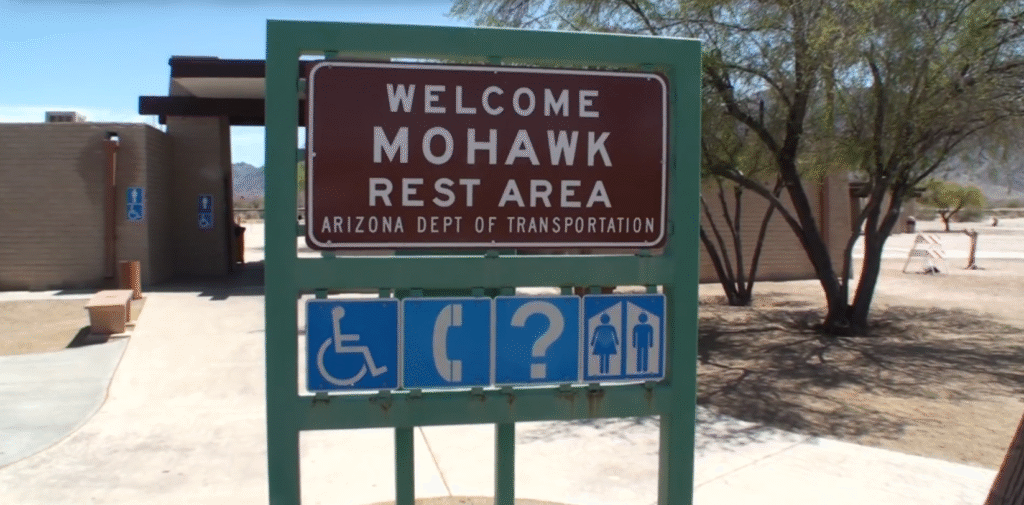
Especially in the US, I’ve found truck stops are usually cleaner than regular gas stations with better facilities.
In Taiwan, highway service areas are generally good quality. European rest stops may charge fees (around €1), but they’re typically very clean and worth it.
🎵 Entertainment & Comfort: Keep the Journey Interesting
Prepare Diverse Entertainment
Long drives can get boring—diverse entertainment is crucial.
My Entertainment Playlist:
🎵 Music (40% of time):
- Download multiple playlists
- Include different moods: energetic, relaxing, sing-along
- Spotify or Apple Music allow offline downloads
🎙️ Podcasts (30% of time):
- Choose interesting, educational content
- News, history, science, true crime all work great
- Episodes around 1 hour are perfect
😂 Stand-up Comedy (20% of time):
- My favorite! Super energizing
- Shows usually run 1 hour—perfect for a road segment
- Laughter makes fatigue disappear
📚 Audiobooks (10% of time):
- Learn something new or enjoy novels
- I once learned Spanish conversation while driving
🤫 Quiet Time: Sometimes you just want to zone out and enjoy the meditative quality of driving—that’s wonderful too.
Key Point: Download everything beforehand! Don’t rely on streaming—many areas have no signal.
⚠️ Important Reminder: All content must be “downloaded in advance”! Don’t depend on streaming—remote areas often have zero signal.
Comfort Settings
Remove Heavy Clothing: Your car has climate control—wear comfortable t-shirts and jeans. Keep jackets in the back seat for when needed.
Lumbar Support: If you have back issues, get a lumbar cushion—makes a huge difference on long drives.
Insulated Tumbler: I love Tervis brand (they have yellow ones!), excellent at keeping drinks cold or hot, with straw design—convenient for drinking while driving.
Cup Holder Organization: Water in cup holder, snacks on center console, phone in mount, charging cable plugged in—convenience is key.
🛡️ Safe Driving: Your Life Matters Most
Maintain Safe Following Distance
3-4 Second Following Distance Rule:
Pick a fixed object ahead (road sign, bridge pillar). When the car in front passes it, count “one-thousand-one, one-thousand-two, one-thousand-three” before your car passes.
On highways, this equals about 3-4 car lengths. This is lifesaving distance—don’t think it’s too far.
At Red Lights: Stop where you can see the car ahead’s tires touching the ground. If rear-ended, you’ll have escape space.
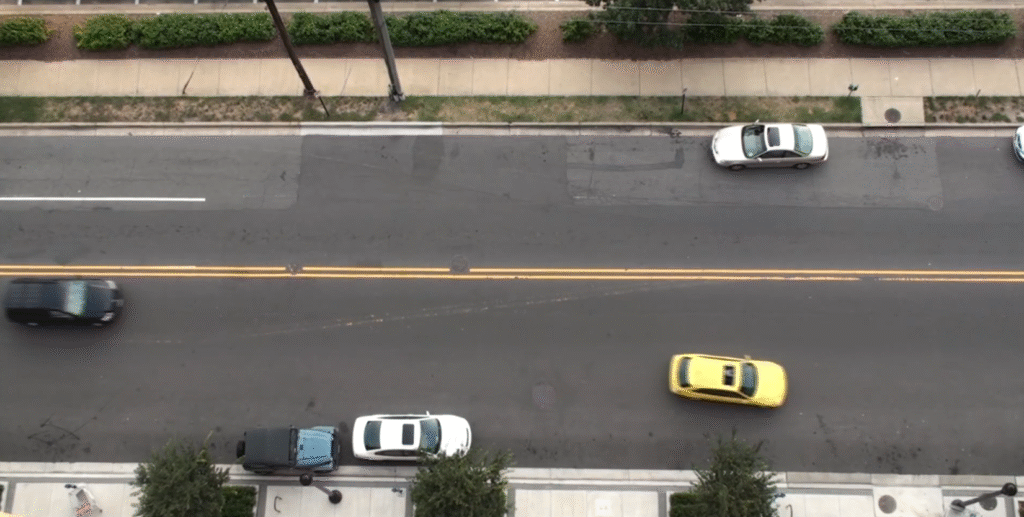
Avoid Traffic Clusters
Highway traffic tends to “cluster.” If possible, drive in the gaps between clusters.
Clusters are prone to chain-reaction collisions, and everyone’s visibility is blocked. Driving in gaps means better sight lines and much safer conditions.
Driving between clusters is far safer. If you find yourself surrounded by vehicles, accelerate or decelerate to leave that zone.
Check Mirrors Frequently and Do Shoulder Checks
“Shoulder check, shoulder check, shoulder check”—this isn’t a typo—I really need to emphasize it three times!
Especially when:
- Changing lanes
- Passing
- Preparing to turn
Everyone’s blind spots differ, but mirrors alone are never enough—you must turn your head to look!
ABS Principle: Always Be Scanning—constantly scan your surroundings.
Regularly check your rearview mirror, noting if vehicles behind are approaching too quickly, especially when stopped at lights—stay alert. Always signal before lane changes and do shoulder checks. America has many large vehicles and motorcycles—blind spots are deadly, so turning your head to check is crucial.
Night Driving and Emergency Situations
Night Driving Principles:
- Avoid it when possible (it’s genuinely dangerous)
- If you must drive, maintain extra vigilance
- If tired, stop—no excuses
- Remember: “Drowsy drivers rest here forever”
Night driving’s fatal accident rate is double that of daytime. Reasons include: poor visibility, greater susceptibility to fatigue, potential drunk drivers, sudden wildlife appearances.
Emergency Stops:
If you must stop on the shoulder:
- Only if absolutely necessary
- The shoulder is a “sitting duck zone”—extremely dangerous
- Better to slowly drive to the next exit or rest area
- If you have a flat tire, keep driving to safety—tires are replaceable, lives aren’t
- After stopping, put on reflective vest and turn on hazard lights
Highway Breakdown Protocol: If your vehicle breaks down on the highway, don’t panic. Remember the principle: Personal safety first, vehicle second.
👩 Solo Female Travel: Special Precautions
Extra Safety Measures
Solo female road trips can be very safe with proper preparation and heightened awareness.
Self-Defense:
- Keep pepper spray within reach
- Some carry small knives (but check regulations)
- Trust your instincts—if something feels off, leave
Accommodation Choices:
- Well-reviewed hotels
- Parking lots with security cameras
- Avoid overly remote locations
Prioritize reputable chain hotels or guesthouses, reading previous guests’ reviews about safety. In major cities, avoid neighborhoods with poor security reputations.
Sleeping in Your Car:
- Use window shades or sheets to cover windows
- Lock all doors and windows
- Park in well-lit, populated areas
- Have pillows and blankets ready
- Tell friends your location
Car Interior Setup: One clever trick is making your car appear occupied by more than just you. For example, place one or two men’s jackets or shoes in the back seat, giving the impression the driver might have male companions.
Stay Connected
Check in with at least one person daily:
- Share your real-time location (Google Maps allows this)
- Send nightly messages
- Communicate tomorrow’s plans and route
This isn’t being overly cautious—it’s basic safety.
Communication & Emergency Contact: Keeping family or friends informed of your whereabouts is crucial. Before departing, share your itinerary overview with loved ones and establish check-in frequency, such as daily updates, or enable real-time location sharing on your phone.
Don’t Broadcast Your Location
Don’t post your solo travel itinerary in real-time on social media to avoid unwanted attention. Wait until you’ve left that location before sharing, preventing anyone with ill intentions from tracking a solo female traveler.
🎒 Equipment Checklist: Bring the Right Stuff
Packing Strategy
Prepare a “Day Bag”:
Don’t lug all your luggage to the hotel every time. Pack a small bag with:
- Change of clothes
- Toiletries
- Chargers
- Valuables
Leave main luggage in the car—much easier.
Anti-Theft Tips:
- Never leave items visible
- Cover back seat items with towels or clothes
- Make it look like “just clutter,” not valuables
- Take valuables with you or store in trunk
Hygiene Kit
My car hygiene kit contains:
- Alcohol wipes, hand sanitizer
- Face masks (have extras—they easily get dropped or dirty)
- Wet wipes
- Tissues, paper towels
- Plastic bags (for trash)
- Disposable gloves (for pumping gas or touching dirty things)
- Utensils (eco-friendly and money-saving)
Trash Rule: Take trash with you every time you exit—don’t let your car become a dumpster.
Cash and Change
Bring some:
- Change: For parking meters, tolls
- Small bills: Some places don’t take cards, or machines malfunction
- In Taiwan, remember to load transit cards like EasyCard or iPass
Tech Equipment Checklist
Charging Equipment:
- Car charger: At least dual USB ports—I recommend Anker products
- Power bank: 10,000mAh capacity or higher
- Charging cables: Bring a spare
Other Useful Apps:
- Google Maps (essential)
- GasBuddy (find cheap gas prices)
- Hotel Tonight (find last-minute hotel deals)
- WeatherBug (check weather forecasts)
- Waze (real-time traffic and speed camera alerts)
Sleep and Rest Equipment
Even if you’re not camping or sleeping in your car, I strongly recommend bringing a pillow and thin blanket. Taking quick naps in your car is common and comfortable, and having these items greatly improves nap quality, even at rest stops.
Window Coverage: Bring sunshades for car windows or DIY curtains. When sleeping or napping in your car, cover the windshield and side windows with shades/curtains for both light blocking and privacy/security.
💰 Budget & Money-Saving Tips
Precise Fuel Cost Calculation
Fuel costs are often one of the biggest expenses on long trips. Before departing, use websites or apps to input route mileage and vehicle fuel consumption to estimate total fuel costs.
Fuel-Efficient Driving Habits:
- Avoid harsh acceleration and braking
- Maintain speeds in the fuel-efficient range
- Cruise control is a great fuel-saving tool
- At highway speeds, close windows and run A/C—lower wind resistance saves more fuel than open windows
Accommodation Savings
Lodging costs vary greatly:
- Camping and Car Sleeping: Campground fees are usually far below hotel rates, sometimes even free
- Budget Motels: In US towns, around $50-80/night
- Walmart Overnight: Free!
- Use Membership Discounts: AAA/CAA members enjoy about 5% off at many hotels
Food Expenses
Eating three restaurant meals daily adds up dramatically, plus too much fast food is unhealthy. Handling some meals yourself is very cost-effective.
Money-Saving Strategies:
- Stock car cooler with beverages and multi-day food supplies
- Eat free hotel breakfast (if offered) or buy milk and cereal
- Have prepared sandwiches for lunch or stop for picnics
- For dinner, buy ready-made meals or salads from local supermarkets
Attraction Tickets
In the US, road trips often include multiple national parks or themed attractions.
America the Beautiful Pass: Priced at $80, provides year-round unlimited entry to all national parks and national scenic areas—excellent value. Only skip if visiting just 1-2 parks.
🌦️ Seasonal Preparation & Considerations
☀️ Summer
- Sunscreen
- Sunglasses
- Hat
- Extra water
- Watch for vehicle overheating
❄️ Winter
If traveling to snowy areas:
- Ice scraper (essential!)
- Snow brush (for clearing roof snow)
- Blankets (in case of breakdown)
- Snow chains (check regulations)
- Warm clothing
Winter Driving Tips:
- Bridges and overpasses freeze first
- As you approach bridges, release the gas and coast over
- Don’t brake hard or turn sharply on icy roads
🌪️ Climate & Weather Response
Long trips may cross different climate zones—learn to adapt. Monitor weather forecasts closely before departing.
Severe Weather:
- Heavy Rain: Reduce speed, increase following distance
- Heavy Snow: Drive very slowly and smoothly, brake early
- Dense Fog: When visibility approaches zero, find a safe roadside spot or rest area to stop
Safe arrival beats on-time arrival. Missed itineraries can be rescheduled, but you only have one life.
📍 Recommended Routes & Itinerary Planning
Choose Classic Routes
If you haven’t decided where to go, consider some classic routes suitable for solo driving.
Classic US Routes:
- Route 66: The legendary Mother Road
- Pacific Coast Highway: Spectacular coastline
- Blue Ridge Parkway: Picturesque scenery
These routes offer abundant natural and cultural attractions along the way, with mostly good road conditions and complete facilities—perfect for beginners.
Itinerary Planning Tools
Atlas Obscura: This website is fantastic! It specializes in collecting unusual, obscure, fascinating spots worldwide.
You can find:
- Hidden gems few people know about
- Places with stories
- Local favorite spots
Far more interesting than constantly visiting tourist traps!
To avoid missing roadside gems, do some homework before departing: create a “must-see along the way” list. Use Google Maps to search for attractions near your destination, or search keywords like “attractions from X to Y.”
Balance Planning vs. Spontaneity
First-time road trippers often wonder: “Should I plan everything completely?” The answer is balance.
Have a plan, but allow it to be disrupted—that’s what makes road trips enchanting.
For example, if today you’re scheduled to reach your hotel at 5 PM, but you pass a beautiful lake along the way, stop to walk and photograph it, even if you arrive an hour or two late—it’s worth it.
❓ Frequently Asked Questions
How many hours of daily driving is ideal for road trips?
A: From experience, 8 hours is my limit. Beyond 8 hours fatigue sets in, increasing danger. If you’re new to this, start with 5-6 hours and gradually increase. Remember, road trips aren’t races—safety and enjoying the process matter more.
Why is hydration so important?
A: Sitting in your car for extended periods, running A/C, maintaining constant focus—your body dehydrates faster than you’d expect. Dehydration causes fatigue, poor concentration, headaches, and even affects reaction time. I recommend drinking electrolyte beverages before departing and carrying at least one gallon of water.
Is overnight parking at Walmart safe?
A: I’ve personally never had issues, but stay security-conscious. Suggestions:
- Park near other RVs, not alone in remote corners
- Call ahead to confirm that location allows overnight parking
- Lock doors, don’t leave valuables visible
- If you feel uncomfortable, move locations
Can phone GPS work without signal?
A: Yes! This is a feature many don’t know about. Start Google Maps navigation when you have signal, and afterward, even with zero signal, navigation continues functioning. The only limitation is no real-time traffic display. If heading to extremely remote areas with poor signal, consider getting a traditional GPS device.
Does cruise control really save fuel?
A: Yes! Cruise control maintains steady speeds, avoiding unnecessary acceleration/deceleration, saving roughly 7-14% on fuel. Even better, it makes long-distance driving much easier and helps avoid accidentally speeding and getting tickets.
Is $130 CAA/AAA annual fee worth it?
A: Absolutely! A single tow can exceed $150. CAA/AAA provides not just towing but also battery jump-starts, lockout service, tire changes, fuel delivery, plus numerous hotel and restaurant discounts. Consider it extra insurance—hopefully unused, but invaluable when needed.
If you’re planning extended travel in Canada’s East Coast region, use my referral code (Member Number: 6202822112853007, Promo Code: GTG) to join CAA Atlantic for additional benefits! Details are in the “Join Roadside Assistance Service” section of this article.
When should I stop to rest?
A: Rest at least every 2-3 hours, even if you don’t feel tired. Get out, walk, stretch, use the restroom—let body and mind recover. If you experience blurred vision, frequent yawning, scattered thoughts, STOP IMMEDIATELY. Don’t push through!
Does Huel meal replacement powder taste good?
A: Taste is subjective—I personally find it acceptable. The key point is convenience—just add water and shake for a nutritionally balanced 400-calorie meal. No stopping, no queuing, no worrying about food spoilage. For me, convenience far outweighs taste.
How much cash should I bring for road trips?
A: Although most places accept cards now, I recommend carrying at least $100-200 cash. Some remote small shops only take cash, and parking meters may need coins. Also prepare some quarters for convenient parking fees.
Any special considerations for winter road trips?
A: Winter road trips require extra preparation:
- Snow shovel and ice scraper to clear vehicle snow and windshield ice
- Blankets and warm clothing in case of breakdown
- Check tire tread depth, switch to snow tires if necessary
- Bridges and overpasses freeze first—slow down when crossing
How do I avoid tolls?
A: In Google Maps route options, select “Avoid tolls.” Though it may add some time, it saves considerable money. Toll roads across America can accumulate over $100, and different states have different payment methods—some very troublesome.
What special preparations for solo road trips?
A: Beyond basic prep, solo travel requires:
- Tell family/friends your itinerary, check in regularly
- Share phone location with trusted people
- Carry self-defense tools (like pepper spray)
- Avoid night driving in unfamiliar areas
- Choose populated areas for overnight parking
🎯 Conclusion: Enjoy the Journey Itself
After all this, the most important thing is: The magic of road trips lies in the journey itself, not just the destination.
Don’t pack your schedule too tightly—stop when you see something interesting. Roadside diners, unexpected scenery, local secret spots—these often become the best memories of your trip.
Safety first, but remember to enjoy the process. Windows down, music playing, watching the scenery—that’s what makes road trips amazing.
Final Reminders:
- Rest when tired
- Don’t rush
- Safe arrival beats on-time arrival
- Take photos but don’t drive dangerously
- Respect local traffic laws
Ready? Tank full, playlist loaded, mindset relaxed—Let’s hit the road! 🚗✨
Wishing you a perfect road trip! If this article helped you, please share it with fellow road trip enthusiasts!
Safe travels! 🌟🛣️


